You should not have to negotiate with your bed every morning. If you wake with a stiff lower back, numb shoulders, or the feeling that sleep did not restore you, your mattress may no longer be doing its job. The top signs mattress replacement is due are rarely limited to a visible dip. They often show up in how your body feels, how warm you sleep, and how often your partner’s movement interrupts the night.
A mattress is a working support system, not a permanent piece of furniture. Over years of nightly pressure, body weight, moisture, and movement, comfort materials soften and springs lose their ability to respond evenly. Knowing what to look for helps you replace it before disrupted sleep becomes your normal.
1. You Wake Up With Pain That Eases as the Day Goes On
Morning back pain, neck stiffness, hip soreness, or aching joints can be a strong signal that your sleep surface is no longer keeping your spine in a neutral position. When the mattress allows heavier areas of the body, especially the hips and shoulders, to sink too far, your muscles work overnight to compensate.
The key detail is the pattern. Pain can have many causes, and a mattress cannot diagnose a medical condition. But if discomfort is most noticeable when you wake up and improves after you move around, your bed deserves a closer look. This is especially true if you sleep more comfortably in a hotel, guest room, or on a newer mattress.
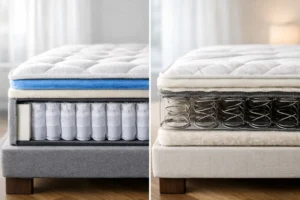
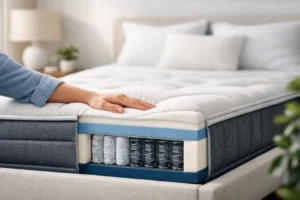
A supportive hybrid mattress should distribute weight while maintaining stable alignment. Pocketed coils can provide a responsive base under the body, while pressure-relieving comfort layers cushion the shoulders, hips, and joints. The goal is not an overly hard surface. It is balanced support that allows the body to rest without collapsing out of alignment.
2. Sagging, Lumps, or Deep Body Impressions Are Visible
Take off the bedding and inspect your mattress in good lighting. Permanent dips, raised areas, uneven edges, and visible sagging are among the clearest signs your mattress has worn beyond its best performance. A shallow impression that quickly recovers may be normal in some materials. A depression that remains after the mattress has been unused is different.
Sagging matters because it changes how your weight is carried. Once your hips settle into a low spot, the rest of your body may twist or strain to find balance. Rotating a mattress can sometimes help distribute wear, provided the design allows rotation, but it cannot restore materials that have broken down.
Also check the perimeter. If the edge gives way when you sit down or feels unstable when you lie near it, you may be losing usable sleep space. Strong edge support is particularly valuable for couples, people who sit on the bed while getting dressed, and anyone who wants a more secure surface when getting in and out of bed.
3. You Sleep Hotter Than You Used To
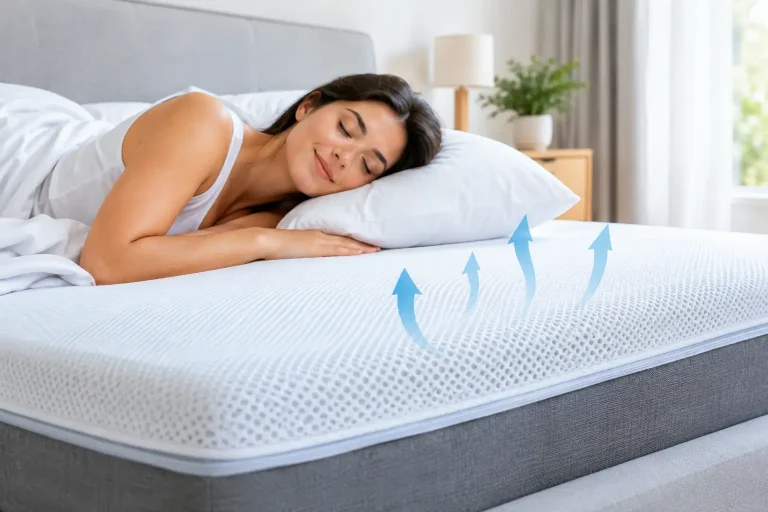
If you regularly wake sweaty, kick off the covers, or move around searching for a cooler spot, your mattress may be trapping heat. Some older foam beds retain warmth and humidity close to the body, particularly after years of use when materials have become more compressed.
Your bedroom temperature, bedding, and sleepwear all affect how warm you feel, so replacement is not always the first answer. Try breathable sheets and a cooler room first. But when overheating continues night after night, the mattress construction is worth considering.
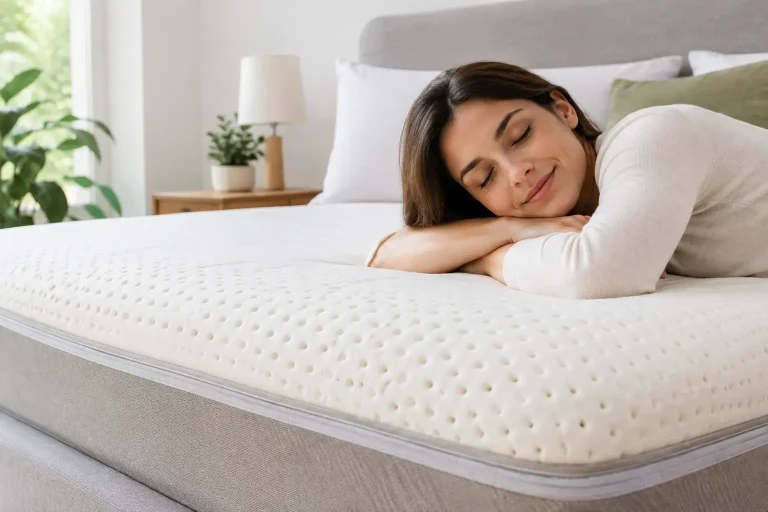
A well-designed hybrid can improve airflow by pairing breathable comfort materials with an open pocket-spring core. Latex is naturally responsive and less prone to the deeply enveloping feel that can hold heat around the body. Cooling gel foam can further help manage warmth, while the space around individually pocketed springs allows air to circulate more freely than a solid foam base. Cooler sleep is not just a comfort preference. It can make it easier to stay asleep through the night.
4. Every Turn From Your Partner Wakes You Up
A mattress should not make two people sleep on the same schedule. If your partner gets up, shifts position, or climbs into bed and you feel the movement across your side, the sleep surface may have poor motion isolation.
Traditional connected spring systems often transfer motion across the mattress because the coils move together. As those systems age, the disturbance can become even more noticeable. Individually pocketed coils work independently, helping contain movement closer to its source. Combined with quality comfort layers, they can create a steadier surface for couples with different bedtimes, work schedules, or sleep habits.
Motion transfer may sound like a small issue until it happens several times a night. Repeated micro-awakenings can leave you tired even when you technically spent enough hours in bed. If you are regularly sleeping lighter because someone beside you moves, it is a practical reason to upgrade.
5. Your Mattress Is Nearing or Past Its Useful Life
Age alone does not tell the full story, but it provides useful context. Many mattresses begin to lose meaningful comfort and support after roughly seven to 10 years, depending on their construction, quality, body weight, and care. A premium mattress with durable materials may last longer, while a low-cost model may show signs of fatigue much sooner.
Think about what has happened during those years. Has your body changed? Has your sleep style changed from solo sleeping to sharing a bed? Has pregnancy, injury, chronic pain, or a more demanding work schedule made recovery more important? Even a mattress that was once comfortable may no longer suit what your body needs now.
Check your warranty as well. A warranty can protect against qualifying manufacturing defects, but it does not necessarily mean a mattress will feel supportive for the entire warranty period. Your actual sleep experience should guide the decision.
6. Allergies or Odors Have Become Hard to Ignore
Over time, mattresses collect dust, allergens, skin cells, and moisture. Regular use of a mattress protector and consistent cleaning can reduce buildup, but there is a point where hygiene concerns become difficult to manage. If you wake congested, sneeze more in bed, or notice that symptoms improve when you sleep elsewhere, your mattress environment may be contributing.
Persistent odors are another concern. A musty smell may indicate moisture exposure, while odors that remain after airing out and cleaning can make the bed feel less fresh and restful. Never ignore signs of mold or water damage. In those cases, replacement is generally the safer choice.
When shopping, look beyond surface softness. Certifications such as CertiPUR-US and Oeko-Tex can offer added reassurance about materials and textile standards. They do not replace good care, but they support a cleaner, more considered sleep environment.
7. You Feel Better Sleeping Somewhere Else
This may be the most revealing test of all. If you sleep more deeply at a hotel, in a guest room, or on a newer bed at a family member’s home, pay attention. One good night away does not automatically mean you need a new mattress. However, a repeated difference in comfort, pain levels, temperature, or partner disturbance is meaningful evidence.
Your body notices support before your eyes notice wear. You may not see dramatic sagging, yet still feel that your mattress has become less responsive, less stable, or less comfortable. Trust the pattern rather than waiting for the mattress to look obviously damaged.
What to Look for in Your Next Mattress
Replacing a worn mattress is an opportunity to choose for the sleep problems you actually have. If back pain and stiffness are your biggest concerns, prioritize spinal support and pressure relief. If you overheat, focus on breathable materials and airflow through the mattress core. If you share a bed, look for individually pocketed springs and comfort layers designed to reduce motion transfer.
Firmness is personal, so avoid treating one firmness level as the universal answer. Side sleepers often need more cushioning around the shoulders and hips, while back and stomach sleepers may prefer a more stable, level feel. Your body weight and pain points also matter. The best mattress is the one that keeps you comfortable and supported in your usual sleeping position.
A quality sleep system should make bedtime feel peaceful and mornings feel more manageable. If your current mattress leaves you sore, overheated, or awake every time your partner moves, do not wait for a visible collapse to take action. A better-supported night can be the first step toward more restorative days.