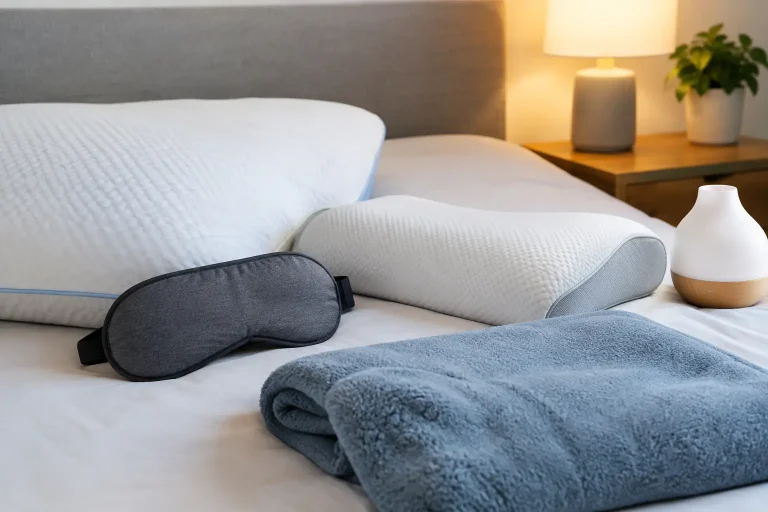
A mattress that once felt comfortable can start feeling very different when morning stiffness, sore hips, or lower-back pain become part of the routine. The best mattress options for seniors should do more than feel soft at first touch. They should keep the spine supported, ease pressure around sensitive joints, stay comfortably cool, and make it easier to change positions or get out of bed.
For many older adults, sleep disruption is not caused by one issue alone. A surface may be too firm for the shoulders but too weak under the hips. It may relieve pressure but trap heat. Or it may feel plush and inviting, yet make movement feel like a struggle. The right choice is a balanced sleep system built to support recovery night after night.
What Seniors Need From a Mattress
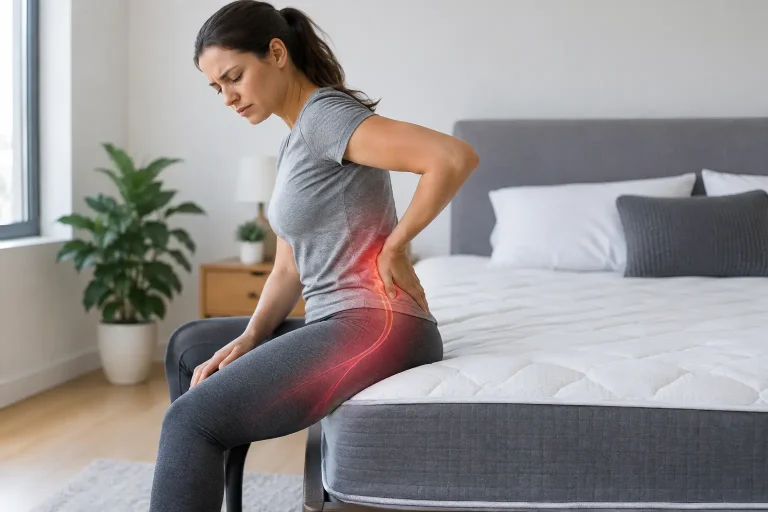
The first priority is stable spinal alignment. When a mattress allows the midsection to sink too deeply, the lower back can be left unsupported. When it is excessively firm, it can push against the shoulders, hips, and knees, creating pressure that leads to frequent repositioning. A supportive mattress should contour enough to cushion the body while keeping the spine in a more neutral position.
Pressure relief is equally valuable, especially for side sleepers and anyone living with joint tenderness. Materials such as responsive latex and quality comfort foams can distribute body weight more evenly than a basic spring surface. The goal is not to sink deeply into the bed. It is to reduce concentrated pressure without losing the support that helps the body rest comfortably.
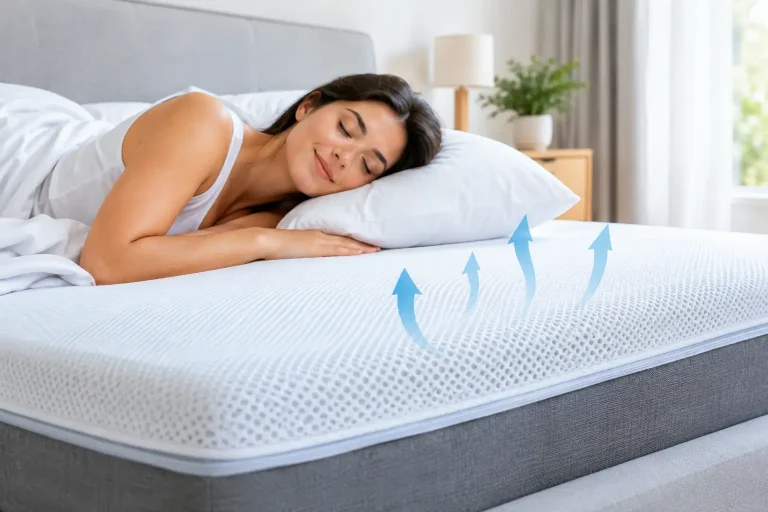
Temperature regulation also deserves attention. Many people sleep warmer with age, medications, or health changes. Dense all-foam beds can sometimes hold onto heat, particularly in humid rooms. Breathable layers, cooling gel foams, latex, and an open pocketed-coil core can help air circulate through the mattress for a less stuffy sleep environment.
Finally, consider ease of movement. A mattress should not make a person feel trapped. Responsive materials and a supportive coil system give the body a little lift, which can make turning over and sitting at the edge of the bed feel more manageable.
Best Mattress Options for Seniors by Sleep Need
There is no single mattress that suits every senior. The best fit depends on body type, preferred sleep position, mobility, temperature needs, and the kind of discomfort that interrupts sleep.
Hybrid mattresses for all-around support
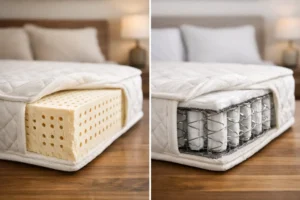
For most seniors, a well-designed hybrid mattress is one of the strongest all-around choices. Hybrids pair contouring comfort layers with individually pocketed springs. That construction brings together pressure relief and dependable support, rather than forcing shoppers to choose one over the other.
Pocketed coils respond independently to weight and movement. This can help support the hips and lower back while reducing the motion felt across the bed when a partner changes position. For couples, less movement transfer can mean fewer unnecessary wake-ups and more peaceful sleep.
A hybrid also tends to feel more responsive than a deep memory foam mattress. That matters when getting in and out of bed or shifting from back to side. Look for a hybrid with durable edge support, too. A stronger perimeter provides a steadier sitting surface and helps the usable sleep area feel more secure.
Latex hybrids for pressure relief and easier movement
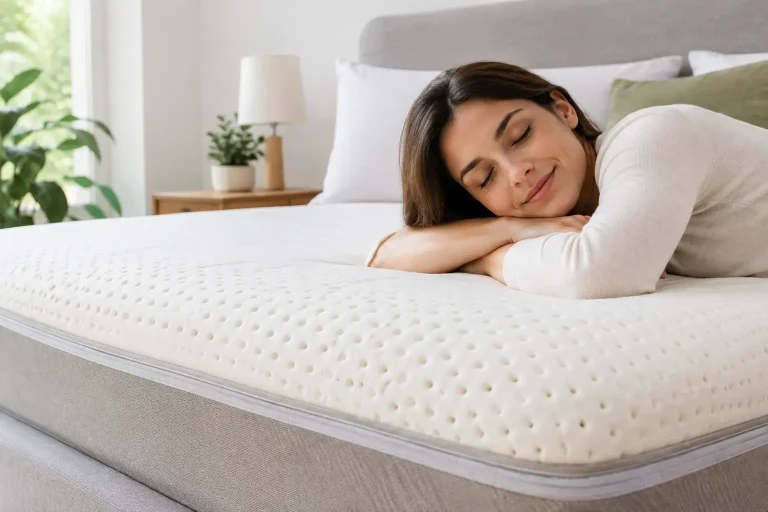
Latex is a smart material for seniors who want cushioning without the slow, sinking sensation associated with some memory foams. It has a naturally buoyant feel, so the body is gently cradled while still being supported on the surface.
This responsive quality can be especially helpful for combination sleepers, people with achy shoulders or hips, and those who find it difficult to reposition during the night. Latex is also breathable, making it a strong option for sleepers who run warm.
The trade-off is feel. Latex often feels springier and more lifted than memory foam. Some people love that easier mobility, while others prefer the deeper contour of foam. A latex hybrid can offer a practical middle ground: pressure relief near the surface, airflow through the coils, and steady support underneath.
Medium-firm mattresses for back support
A medium-firm feel is often the safest starting point for seniors, particularly back and combination sleepers. It generally offers enough structure to prevent excessive sinking while retaining enough give to reduce pressure at the shoulders and hips.
Still, medium-firm is not a universal answer. A lightweight side sleeper may need a slightly softer comfort layer to avoid shoulder pressure. A larger-bodied sleeper or someone with chronic lower-back discomfort may feel better on a firmer hybrid with more substantial coil support. Mattress firmness should follow how the body feels after a full night, not a number on a product page.
Cooling mattresses for hot sleepers
If overheating causes tossing, sweating, or waking in the early hours, prioritize airflow over extra plushness. Cooling gel foam can help manage surface heat, while breathable latex and pocketed springs encourage air to move throughout the mattress.
A cooling mattress works best as part of the full sleep setup. A breathable protector, lightweight bedding, and a room that is not overly warm all support better temperature control. The mattress is the foundation, but it should not carry the entire job alone.
How to Choose the Right Firmness
Start with sleep position, then adjust for pressure sensitivity and mobility. Back sleepers usually need balanced support beneath the lower back. Side sleepers need more cushioning at the shoulder and hip. Stomach sleeping can demand a firmer, flatter surface, although this position may strain the neck and lower back for some people.
Pay attention to the difference between softness and support. A mattress can feel soft on top and still provide excellent alignment when it has a structured support core. Likewise, a firm bed can feel uncomfortable if its surface has too little pressure relief. The most restorative mattresses use layers intentionally: comfort where the body needs cushioning, and support where it needs stability.
If a mattress feels right for ten minutes but causes numbness, stiffness, or heat buildup after several hours, it is not the right match. This is why a trial period and a clear return policy are valuable. The body needs more than a showroom test to judge true comfort.
Features Worth Paying For
Not every upgrade improves sleep. Focus on construction details that solve a real problem.
Individually pocketed springs are worth considering for spinal support, airflow, edge stability, and reduced partner disturbance. Cooling gel foam and breathable latex can be worthwhile for hot sleepers. CertiPUR-US certified foams and Oeko-Tex certified textiles offer added reassurance for shoppers who want materials tested for harmful substances.
Durability matters as well. A sagging mattress can quickly undo the benefits of a supportive design, especially when joint pain or mobility concerns are already present. Look for a substantial warranty, quality materials, and a construction designed to maintain support over time. A cheaper mattress that loses shape early is rarely a better value.
For shoppers seeking all three core outcomes – pressure relief, cooler sleep, and motion isolation – Azure Mattress uses hybrid designs that combine responsive comfort layers with individually pocketed spring systems. The right model should still be chosen based on personal firmness preference and sleep position, not marketing claims alone.
Do Not Forget Mattress Height and Bed Setup
Mattress height can affect daily comfort more than many buyers expect. A very tall mattress on a high bed frame may make it harder to sit down or stand up safely. A bed that is too low can put extra strain on the knees and hips. When seated on the edge, feet should rest comfortably on the floor and the knees should sit close to a right angle.
If the mattress is still supportive but slightly too firm, a quality topper can add pressure relief without replacing the whole bed. If the mattress is sagging, uneven, or no longer supporting the back, a topper will not correct the underlying problem. Replacement is the better solution.
Pillows also play a role. The mattress supports the body from below, while the pillow must keep the neck aligned with the rest of the spine. For side sleepers, a pillow with enough loft to fill the shoulder-to-neck gap can make a noticeable difference by morning.
A Better Night Starts With Support You Can Feel
The right mattress should make bedtime feel less like managing discomfort and more like giving the body a dependable place to recover. Choose support that keeps the spine steady, comfort that relieves pressure without trapping movement, and cooling materials that help sleep stay peaceful through the night. A thoughtful upgrade can make mornings feel more capable, not simply more rested.