A mattress can feel soft for five minutes in a showroom and still leave your lower back tight by morning. That is why a useful latex mattress comfort review looks beyond the first impression. Real comfort is about what happens after hours of sleep: whether your shoulders can relax, your hips stay supported, heat can escape, and movement beside you does not keep pulling you out of rest.
Latex is often associated with a buoyant, premium feel. It cushions pressure points without the slow, deep sink of traditional memory foam. For sleepers who want relief without feeling stuck, that difference can be substantial. But latex comfort is not one-size-fits-all. Its performance depends on the mattress build, firmness level, spring system, body type, and preferred sleep position.
What Latex Comfort Actually Feels Like
The most recognizable quality of latex is responsiveness. When you shift positions, the surface adjusts quickly instead of holding a body impression. Your body stays more on top of the mattress than inside it. This makes latex especially appealing to combination sleepers who move from their side to their back or stomach through the night.
That responsive feel also helps with ease of movement. Someone with morning stiffness may find it less demanding to turn over or get out of bed than on a deeply contouring foam surface. Couples can appreciate this as well, although responsiveness brings an important trade-off: latex alone does not absorb movement as completely as dense memory foam. In a well-designed hybrid, individually pocketed coils help manage that movement while preserving latex’s supportive lift.
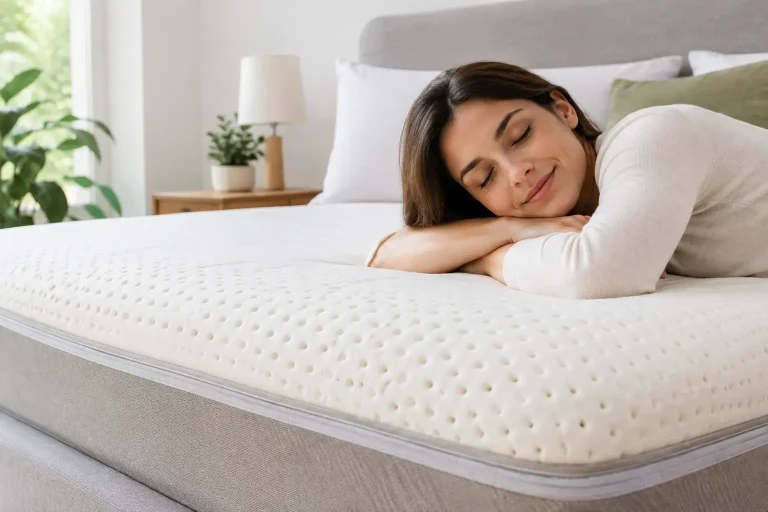
Latex usually delivers a balanced contour rather than a dramatic hug. It gently fills the space around the shoulders, waist, and hips, which can reduce sharp pressure buildup. At the same time, it pushes back with enough resilience to keep heavier areas from dropping too far. This is the difference between a mattress that merely feels plush and one that supports a more neutral sleeping posture.
Latex Mattress Comfort Review: Pressure Relief and Support
For side sleepers, comfort often comes down to shoulder and hip relief. A mattress that is too firm can create numbness, tingling, or the urge to change positions repeatedly. Latex can soften those contact points while maintaining support beneath the torso. The result is often a steadier, less strained feeling through the lower back.
Back sleepers generally benefit from latex’s even support. The goal is not to flatten the natural curve of the spine, but to prevent the hips from sinking below the chest and legs. A medium to medium-firm latex hybrid is frequently a strong starting point for this position because it combines surface pressure relief with deeper structural support.
Stomach sleepers need more caution. If the comfort layer is too plush, the pelvis may sink and increase stress on the lower back. Firmer latex and a supportive coil base can work well, but stomach sleepers should prioritize alignment over an ultra-soft feel. “Cloud-like” should never mean unsupported.
Your body weight also changes the experience. Lighter sleepers may perceive latex as firmer because they do not compress the material as deeply. Heavier sleepers often get more contouring and may prefer a stronger coil system or firmer latex layer to maintain stability. This is why a comfort rating alone cannot tell the whole story.
Why a Hybrid Build Changes the Feel
Latex performs well on its own, but its comfort profile becomes more complete when paired with individually pocketed springs. The latex layer provides pressure relief, resilience, and airflow near the surface. The coil system adds targeted support, especially under the hips and lower back, while allowing each spring to respond independently.
This construction matters for couples. When one person changes positions, pocketed coils limit how far that movement travels across the bed. No mattress can promise that a very restless partner will be completely unnoticeable, but a quality hybrid can significantly reduce the bounce and ripple associated with older connected-spring mattresses.
A supportive hybrid also tends to create a more stable edge. If you sit on the side while getting dressed, or share a smaller mattress size, edge reinforcement can make the usable sleep surface feel more secure. Latex provides the comfort layer, but the details below it determine whether that comfort lasts through the night.
Does Latex Sleep Cooler Than Foam?
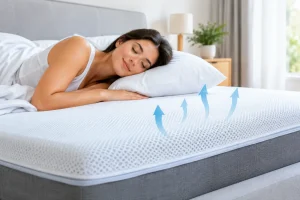
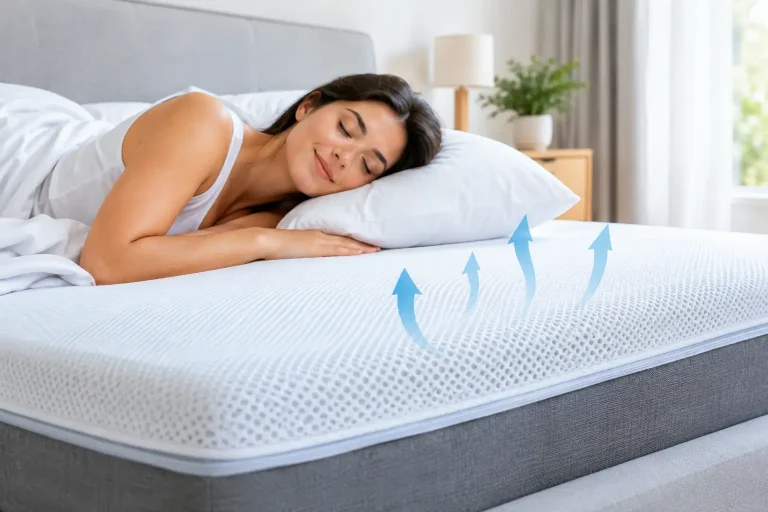
For people who wake up hot, latex has a genuine advantage. Its naturally open-cell structure promotes airflow, and its responsive surface means less of the body is deeply enveloped by the mattress. Less trapping can translate to a cooler, drier sleep environment.
Still, no mattress material works in isolation. A breathable cover, ventilated latex, cooling gel foams, and an airflow-friendly coil base all affect temperature regulation. Sheets, room temperature, and individual metabolism matter too. A latex hybrid is not a substitute for air conditioning, but it can be a meaningful upgrade for sleepers who find dense all-foam beds too warm.
The cooler feel is particularly valuable for couples. Two bodies generate more heat, and a mattress that holds warmth can make both sleepers uncomfortable. A layered hybrid design allows heat to move away from the body instead of concentrating around the hips, shoulders, and back.
The Comfort Trade-Offs to Know Before Buying
Latex is durable, supportive, and pressure-relieving, but it is not automatically the right choice for every sleeper. Its springy feel can be a benefit or a drawback depending on what you enjoy. People who love the slow, close contour of memory foam may feel that latex has less of a hugging sensation.
Latex mattresses can also feel firmer at first than expected. This is not necessarily a sign of poor comfort. A supportive surface may take a short adjustment period if you are moving from a worn-out mattress that allowed your body to sag. Give your body time to adapt, while paying attention to persistent pressure points or increased pain.
Material quality matters as well. Look for transparent construction details, certified foams where applicable, and a design that matches the outcome you need. A mattress should not rely on vague softness claims. It should explain how its comfort layers, support system, and cooling components work together.
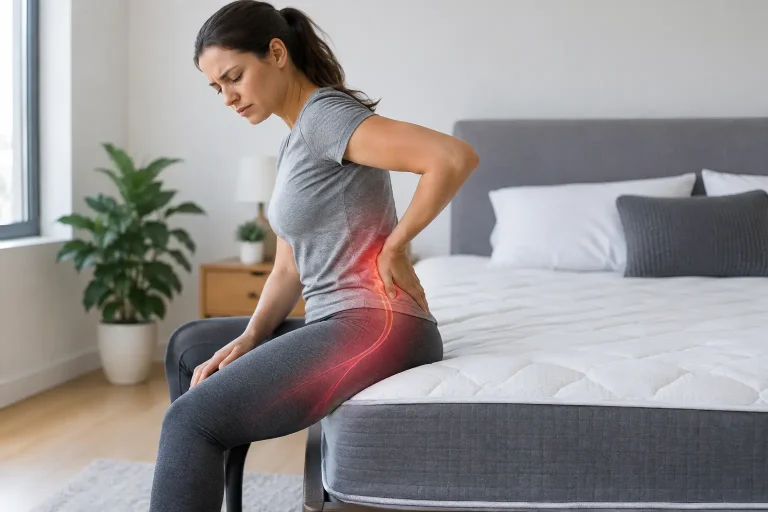
For shoppers focused on back pain, a mattress with latex alone may not be enough. The deeper support layers need to keep the spine in a more balanced position. This is where a carefully engineered hybrid can offer a more complete sleep solution than either a basic spring mattress or an overly soft foam bed.
Who Will Enjoy a Latex Hybrid Most?
Latex comfort is often a strong match for sleepers who want pressure relief without excessive sink, people who sleep warm, and combination sleepers who change positions frequently. It can also suit couples who need a balance of responsive comfort and reduced motion transfer.
At Azure Mattress, this balance is central to the design approach: latex for buoyant pressure relief, cooling materials for temperature regulation, and individually pocketed springs for stable support and quieter shared sleep. The purpose is not simply to make a bed feel soft. It is to create a surface that helps your body recover with less strain and interruption.
If you have recurring back, joint, or shoulder discomfort, focus on how the mattress supports your natural alignment in your most common sleeping position. The best comfort is rarely the softest option. It is the one that lets your muscles stop bracing, your joints experience less pressure, and your body settle into peaceful, uninterrupted rest.