A partner rolling over at 2:00 a.m. should not feel like someone shook the entire bed. Yet on a traditional connected-spring mattress, one person’s movement can travel across the surface, interrupting deep sleep just as the body is recovering. The best mattress for restless partners is not simply the softest option. It is a stable, supportive sleep system designed to absorb movement, relieve pressure, and keep both sleepers comfortable through the night.
For couples, this is one of the clearest cases for choosing materials based on performance rather than a quick showroom impression. A mattress may feel comfortable for five minutes, then reveal poor support, heat buildup, or excessive bounce after several nights. The right construction addresses all three.
What the Best Mattress for Restless Partners Needs
Motion isolation should be the first priority, but it cannot be the only one. A bed that absorbs movement exceptionally well but lets the hips sink too deeply may contribute to lower-back stiffness. A very firm mattress may hold its shape, yet create shoulder and hip pressure for side sleepers. Couples need a balanced surface: responsive enough to support changing positions, cushioned enough to reduce pressure, and isolated enough to keep movement on one side of the bed.
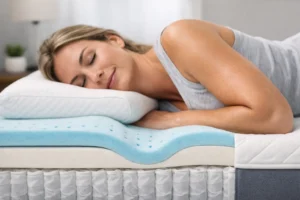
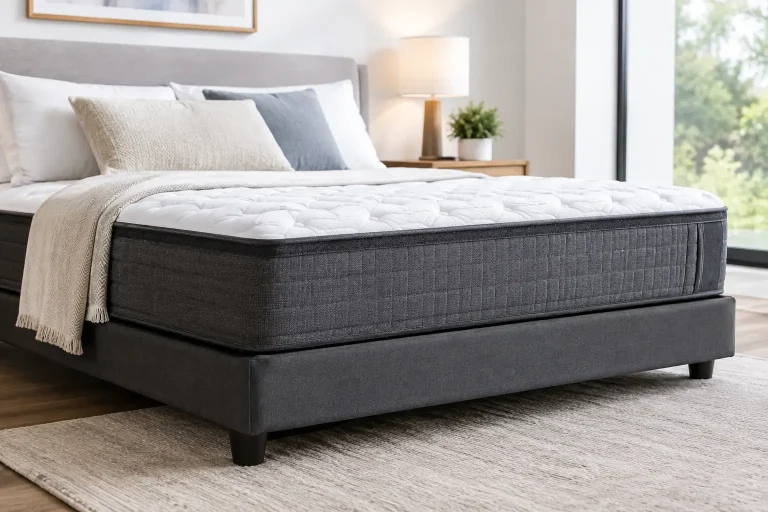
The most effective choice is usually a well-engineered hybrid mattress. It combines comfort layers such as latex or cooling gel foam with individually pocketed coils underneath. Each component has a distinct job. The upper layers contour to the body and soften pressure points, while the coil system supports spinal alignment without acting like one large, connected spring unit.
Pocketed coils limit motion at the source
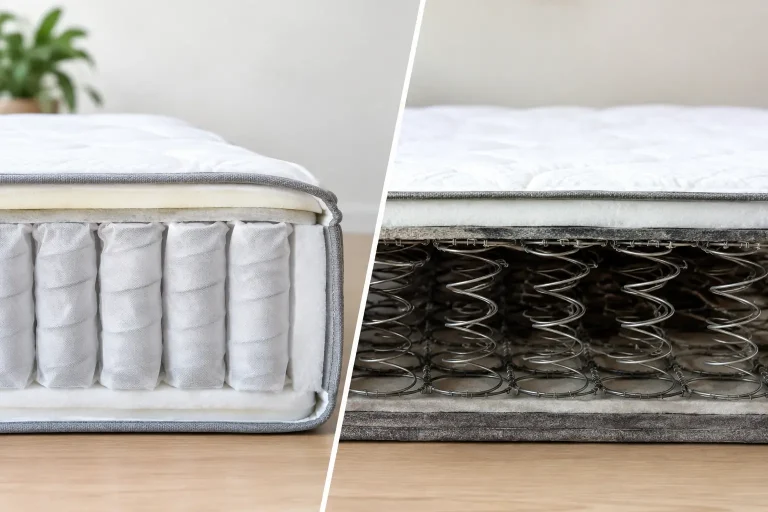
Old-fashioned innerspring mattresses often use coils linked together by wire. When one coil compresses, nearby coils respond. That is why a partner getting in or out of bed can create a noticeable wave across the mattress.
Individually pocketed coils work differently. Each coil is wrapped and moves more independently, helping contain pressure where it occurs. If your partner turns over, the mattress can respond around their body rather than pulling the whole sleep surface into the movement. This does not mean any mattress can make a very active sleeper completely undetectable. It does mean the right pocketed spring system can greatly reduce the disturbance that lighter sleepers feel.
Pressure relief prevents restless repositioning
Many people move repeatedly because they are uncomfortable, not because they are naturally restless. Pressure at the shoulders, hips, knees, or lower back can make a sleeper shift positions throughout the night in search of relief. This is especially common for side sleepers and people managing joint discomfort.
Latex and quality foam comfort layers help distribute body weight more evenly. They cushion prominent areas while avoiding the stuck-in-the-bed feeling that can occur with overly soft, low-density foam. A partner who feels less pressure is less likely to toss and turn, which benefits both people sharing the bed.
Choose Support That Works for Both Bodies
Couples rarely have identical sleep needs. One person may sleep on their side, while the other sleeps on their back. One may be petite, while the other needs stronger support under more body weight. This is where medium-firm hybrid designs often perform well: they offer enough structure for alignment while providing enough comfort to protect pressure points.
Firmness alone is not a measure of support. A hard mattress can feel stable at first but still fail to support the natural curve of the lower back. Conversely, a thoughtfully layered medium-firm mattress may feel more comfortable while keeping the spine in a healthier position.
Look for a mattress that supports the heavier parts of the body without allowing the hips to drop below the shoulders. For back sleepers, this helps maintain the lower back’s natural curve. For side sleepers, it helps keep the spine from bending downward or upward through the night. When alignment improves, morning stiffness and the need to constantly reposition can decrease.
Consider split comfort only when needs are far apart
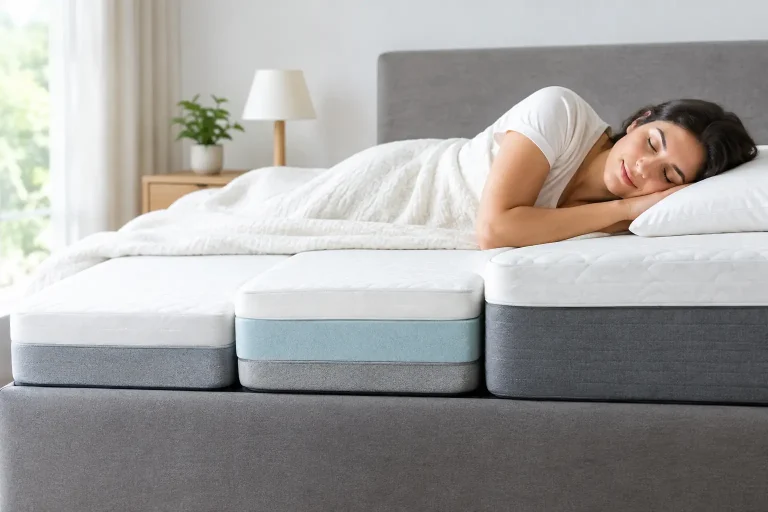
If one partner prefers an extra-firm bed and the other needs a much softer surface, a split setup may be worth considering. This can mean two separate mattresses on an adjustable base or a mattress designed with different firmness zones. It is a practical solution, but it comes with trade-offs. A split can create a divide in the middle of the bed, and separate mattresses may not feel as unified as one shared surface.
For most couples with moderately different preferences, a pressure-relieving hybrid with responsive support is the simpler answer. It gives each person room to move and contour without sacrificing the stability both sleepers need.
Cooling Matters More Than Couples Expect
Heat is a common reason people wake up, throw off the covers, and move around. Because two bodies naturally create more warmth in one bed, temperature regulation becomes a real performance feature, not a luxury extra.
Dense, low-quality foam can trap heat close to the body. A hybrid design offers a better path for airflow because the open space around pocketed coils allows heat to circulate through the mattress. Cooling gel foam can further help manage surface warmth, while naturally breathable latex offers a buoyant feel that does not hug the body as tightly as some traditional memory foams.
The goal is not to make the mattress feel cold. It is to prevent the overheated, clammy feeling that causes sleep interruptions. If one partner sleeps hot and the other prefers a warmer feel, breathable layers and moisture-managing bedding can help both sleepers meet in the middle without turning the bedroom into a thermostat battle.
Materials to Look for Before You Buy
Marketing terms can make nearly every mattress sound advanced, so focus on the construction details. The best mattress for restless partners should clearly explain how its layers work together and what materials are used.
Start with the spring system. Look for individually pocketed coils rather than a connected coil unit. Then consider the comfort layers above them. Responsive latex can provide pressure relief and airflow, while cooling gel foams can help soften the surface and reduce heat retention. Multiple layers are not automatically better, but each layer should have a purpose: comfort, support, cooling, or motion control.
Certifications can also offer useful reassurance. Foams certified to CertiPUR-US standards are tested for certain emissions and content requirements, while Oeko-Tex certified textiles are tested for harmful substances. These do not tell you whether a mattress will feel right for your body, but they provide added clarity about the materials you sleep on night after night.
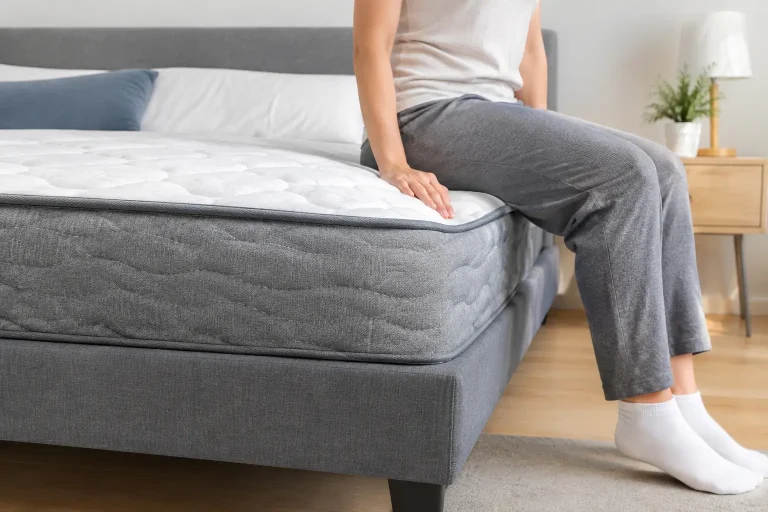
Edge support deserves attention, too. Couples often use the full width of the mattress, particularly in a queen size. A reinforced perimeter helps prevent the edge from feeling unstable when sitting down, getting up, or sleeping closer to the side. Strong edges can make the bed feel more usable without requiring you to move up to a larger size immediately.
Avoid These Common Mistakes
Do not choose a mattress based only on motion isolation if it leaves you unsupported. All-foam beds can reduce transfer very effectively, but some sleepers find that deep foam contouring makes movement more difficult or increases heat retention. A hybrid can be a stronger all-around option when you need motion control along with easier movement, cooling, and orthopedic-style support.
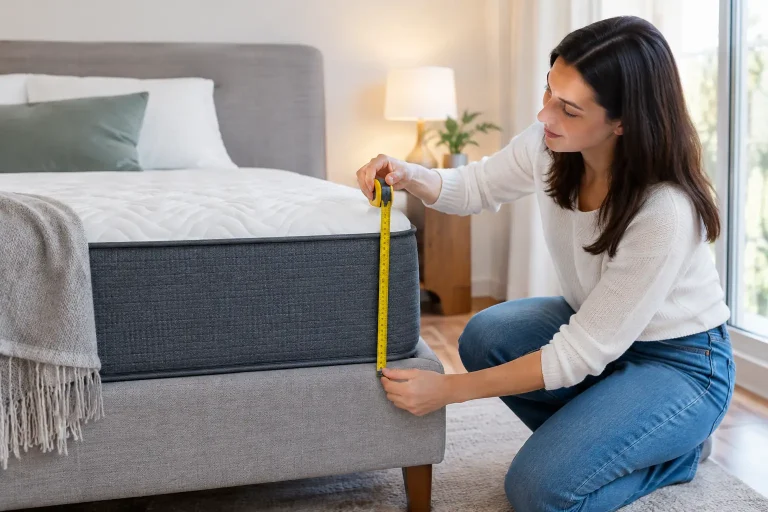
Do not assume thicker always means better, either. Thickness can indicate generous comfort layers, but layer quality and design matter more than the total number of inches. A mattress should feel stable under the hips, comfortable at the shoulders, and consistent across the surface.
Finally, do not ignore the trial and warranty terms. Your body needs more than one night to adjust to a new sleep surface. A meaningful return policy reduces the risk of buying online, while a long warranty signals that the manufacturer expects the materials and structure to last. Azure Mattress pairs its hybrid sleep designs with free shipping and returns, helping couples test a better sleep setup with less purchase anxiety.
A quieter night is not about asking your partner to stop moving. It is about building a bed that handles normal movement without passing it on. When support, pressure relief, cooling, and pocketed coil isolation work together, both people can wake up feeling like they slept in the same bed without sleeping through each other’s night.