A mattress can feel soft when you first lie down and still leave your lower back stiff by morning. That is why pocket springs vs foam mattress feel is about more than choosing “firm” or “plush.” The real difference is how each material responds to your body, supports your spine, manages heat, and reacts when your partner turns over at 2 a.m.
For sleepers dealing with back discomfort, pressure points, overheating, or interrupted sleep, feel is not a minor preference. It is the part of mattress design you notice every night – and the part that can affect how recovered you feel the next day.
Pocket springs vs foam mattress feel: the core difference
Pocket springs create a more responsive, lifted feel. Each coil sits in its own fabric pocket, allowing it to compress independently rather than moving as one connected spring unit. When weight is applied to one area, the springs around it can continue supporting the rest of the body. The result is a mattress that generally feels buoyant, stable, and easier to move around on.
Foam creates a more contouring feel. Instead of pushing back with the spring-like response of a coil, foam compresses around the body’s curves. Memory foam, in particular, is known for a close, cradling sensation that can reduce pressure on the shoulders and hips. Other foams, such as latex or responsive comfort foam, recover more quickly and feel less “stuck in” than traditional memory foam.
Neither sensation is automatically better. The right choice depends on whether your body responds best to deep contouring, responsive support, or a carefully engineered combination of both.
How pocket springs feel when you sleep
A pocket spring mattress often feels more supportive from the moment you lie down. You may notice a gentle upward push beneath your hips and lower back, along with a sense of sleeping more on the mattress than in it. This is especially appealing to people who change positions frequently or dislike the slow-moving feel of dense memory foam.
Targeted support for the spine
The main strength of pocket springs is independent support. Because individual coils can respond to different pressure levels, the mattress can better accommodate the body’s natural shape. Your shoulders need to sink farther than your waist, while your hips need enough reinforcement to avoid dropping too low.
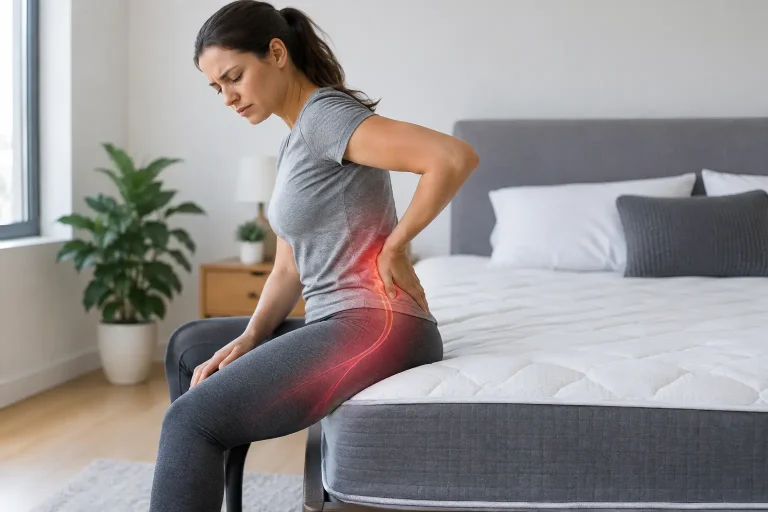
That balance matters for spinal alignment. If the hips sink excessively, the lower back can be pulled out of a neutral position. If the surface is too rigid at the shoulders, side sleepers may wake with numbness, tension, or joint soreness. A well-designed pocket spring system helps distribute weight while maintaining a more level sleeping posture.
The quality of the coil system still matters. A mattress with pocket springs can feel firm, medium, or plush depending on coil gauge, coil count, zoning, and the comfort layers placed above it. Pocket springs are a support system, not a single feel category.
Cooler, more breathable comfort
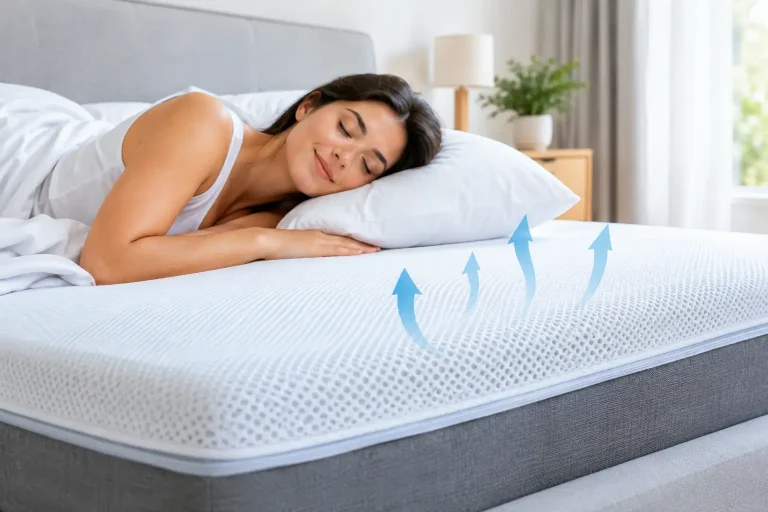
Springs naturally leave open space inside the mattress. That airflow can help heat and humidity move away from the body, which is a meaningful advantage for hot sleepers. If you regularly wake up warm or find that dense foam holds onto body heat, a pocket spring construction can feel noticeably fresher through the night.
This does not mean every spring mattress sleeps cool. Thick heat-retaining foam layers can still change the experience. The most effective temperature-regulating designs pair breathable pocket springs with cooling gel foam, ventilated latex, or moisture-managing cover materials.
Easier movement and edge stability
Pocket springs usually make it easier to roll, sit up, and get out of bed. The responsive surface can be particularly helpful for combination sleepers, people with joint stiffness, and anyone who dislikes fighting against a deeply contouring mattress.
Edge support is often stronger with a structured coil system as well. That means more usable sleep surface for couples and a steadier feeling when sitting on the side of the bed. For a smaller mattress shared by two people, this can make a practical difference every night.
How foam mattresses feel when you sleep
Foam is best known for pressure relief. As it compresses under your body weight, it fills the spaces around the shoulders, hips, and lower back. This can create a calm, cushioned sensation, especially for side sleepers who need more give at prominent joints.
Deep contouring and pressure relief
Memory foam responds to heat and pressure, so it usually softens where your body makes contact. Many people describe the feeling as being gently hugged by the mattress. For sleepers with sensitive shoulders, hip pain, or a tendency to wake from pressure buildup, this close contouring can be extremely comfortable.
The trade-off is mobility. Dense foam can be slower to respond when you move, so combination sleepers may feel slightly restricted. Some people enjoy that enveloping comfort; others feel too deeply sunk in, particularly if the foam is soft or the mattress lacks a supportive core underneath.
Latex foam offers a different experience. It is more resilient and springy than memory foam, with a lighter, quicker response. It can relieve pressure without creating the same body-hugging feel, making it a strong option for sleepers who want cushioning with more ease of movement.
Motion isolation for couples
Foam is highly effective at absorbing motion. When one person shifts position, the movement is less likely to travel across the surface to the other side of the bed. This can be a major benefit for light sleepers, couples on different schedules, and households where restful sleep is already hard to protect.
However, foam is not the only option for low motion transfer. Individually pocketed springs also limit movement because each coil works separately. Unlike traditional connected spring systems, they do not create the same trampoline-like ripple across the mattress.
Heat retention can vary
Traditional dense memory foam can retain warmth because it conforms closely to the body and has less internal airflow than a coil system. For some sleepers, especially those who run cold, that can feel cozy. For others, it can turn a comfortable bedtime into a restless, overheated night.
Modern foam can perform very differently. Open-cell structures, cooling gel infusions, phase-change materials, and breathable covers can improve heat dissipation. Still, if temperature regulation is your first priority, foam usually benefits from being paired with naturally breathable materials and an airflow-promoting support layer.
Why a hybrid mattress changes the equation
For many people, the best answer is not pocket springs or foam. It is a hybrid mattress that uses each material for the job it does best.
A hybrid places comfort layers – such as pressure-relieving foam, responsive latex, or cooling gel foam – over a pocketed spring base. The upper layers cushion pressure points and create the desired comfort level. The spring system beneath provides responsive support, airflow, and easier movement.
This construction is particularly useful when your needs overlap. A side sleeper may want foam or latex to soften pressure at the shoulder but still need pocket springs to keep the hips supported. A couple may want motion isolation without the heat or slow response of an all-foam mattress. Someone with lower back stiffness may need a surface that feels comfortable immediately yet remains stable through the night.
At Azure Mattress, this balance is central to the sleep system approach: pressure-relieving comfort layers work alongside individually pocketed springs to support alignment, reduce partner disturbance, and help release excess heat.
Choose based on your sleep concerns, not the label
If you want a responsive feel, sleep warm, change position often, or need stronger support around the hips and edges, pocket springs may suit you well. If pressure relief and close contouring matter most, foam may feel more soothing – especially for side sleeping.
A hybrid is often the more complete choice for people who want both. It can offer the gentle cushioning associated with foam while preserving the breathability and structured support of pocket springs. But construction still matters more than marketing terms. A hybrid with overly soft comfort layers may not provide enough support, while one with overly firm springs may not relieve pressure adequately.
Your body weight, preferred sleep position, pain patterns, and temperature sensitivity all influence the right feel. A stomach sleeper typically needs more resistance beneath the hips than a side sleeper. A lighter person may find a medium mattress firmer than expected, while a heavier sleeper may need stronger support to prevent excessive sink.
The most reassuring test is simple: when you lie down, your shoulders and hips should feel cushioned, your lower back should feel supported, and changing positions should not require effort. A mattress should help your body settle into rest – not ask it to compensate all night.