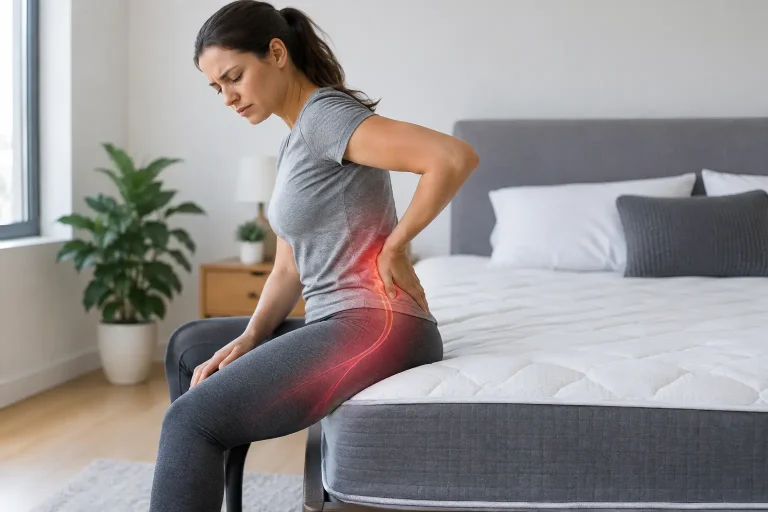
If you sleep on your side and wake up with a sore shoulder, tight hips, or a lower back that feels slightly off, your mattress is probably the problem. A latex hybrid mattress for side sleepers is built to solve a very specific issue – giving the body enough pressure relief at the shoulders and hips without letting the spine fall out of alignment.
That balance is harder to get right than most people think. Side sleeping creates concentrated pressure in a few areas, especially at the shoulder and hip. A mattress that feels too firm can create numbness and tension. One that feels too soft can let the midsection sink too far, which often leads to stiffness by morning. The right latex hybrid setup is designed to do both jobs at once – cushion pressure points and keep the body supported in a healthier position.
Why side sleepers need a different kind of support
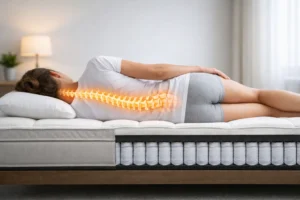
Side sleepers put more force into a smaller surface area than back sleepers do. That is why shoulder pain and hip soreness are so common. The mattress has to allow enough give for these joints to settle in, but it also has to hold up the waist and lower back so the spine stays more neutral.
This is where many traditional mattresses fall short. Basic spring beds often feel bouncy but uneven, with pressure building at the top layers. All-foam designs can feel plush at first, yet some trap heat or compress too deeply over time. A latex hybrid tends to perform better because it combines responsive comfort layers with structured support underneath.
For adults dealing with back pain, stiffness, or partner disturbance, that combination matters. Better pressure distribution helps reduce strain at the joints. Better underlying support helps prevent the subtle twisting and sagging that can leave you feeling unrested even after a full night in bed.
What makes a latex hybrid mattress for side sleepers work
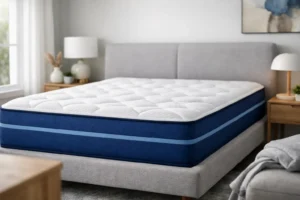
A latex hybrid mattress for side sleepers usually combines a latex comfort layer with individually pocketed coils. Each part plays a different role, and the best results come from how those materials work together rather than from any one feature alone.
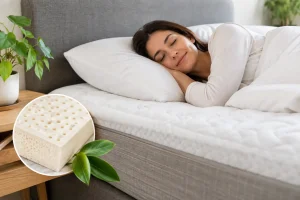
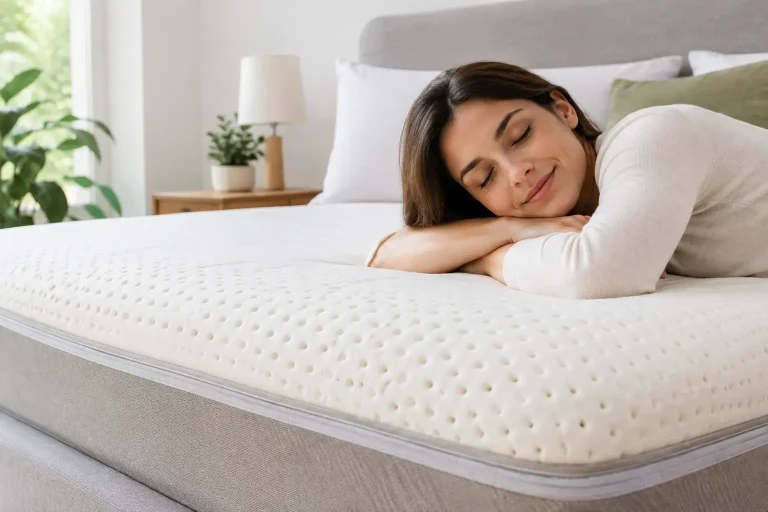
Latex is known for responsive pressure relief. Unlike foam that can let the body sink and stay there, latex compresses with more lift. That means it cushions the shoulder and hip while still pushing back enough to support the body. For side sleepers, this can create a more balanced feel – softer where pressure builds, steadier where alignment matters.
Pocketed coils add another layer of precision. Because the coils move more independently than a connected spring unit, they can adapt better to weight distribution across the body. They also reinforce support through the center of the mattress, which helps keep the spine from dipping out of line. For couples, this construction also reduces motion transfer, so one person turning over is less likely to disturb the other.
The result is a mattress that feels supportive without feeling rigid. That difference is key. Side sleepers rarely need a hard mattress. They need a mattress that is pressure-relieving on top and stable underneath.
Pressure relief without the stuck feeling
One reason latex stands out is that it relieves pressure without creating that deep, swallowed sensation some memory foams produce. Many side sleepers want contouring, but not at the cost of mobility. If you change positions through the night or simply do not like feeling trapped in the bed, latex tends to feel more responsive and easier to move on.
That responsiveness can also benefit people with joint discomfort. Getting in and out of bed, or shifting from one side to the other, feels less effortful on a mattress that has some natural spring and recovery.
Cooler sleep is not a luxury for side sleepers
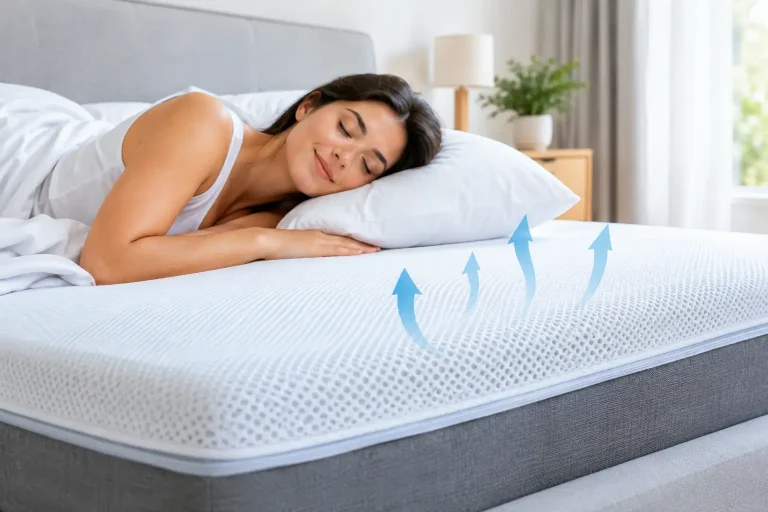
Side sleepers often sink farther into the comfort layers around the shoulder and hip area, which can increase heat retention if the mattress materials hold warmth. This is why cooling performance matters. Latex generally sleeps cooler than many dense foams, and when paired with a breathable coil system, it allows for better airflow throughout the mattress.
If you tend to wake up warm, sweaty, or restless, that is not a minor issue. Overheating interrupts sleep cycles and can make an otherwise comfortable mattress feel wrong after a few hours. A breathable hybrid construction addresses this with a more ventilated design rather than relying on surface-level cooling claims alone.
How firm should a latex hybrid mattress be for side sleepers?
This is where it depends. Most side sleepers do best on a medium to medium-firm feel, but body weight changes the answer.
Lighter side sleepers often need a slightly softer surface so the shoulders and hips can compress the comfort layers enough to get pressure relief. If the mattress is too firm, it may feel supportive but still create pain points. Average-weight sleepers usually do well with a balanced medium feel that combines contouring and pushback. Heavier side sleepers often need a slightly firmer build with stronger coil support so the body stays lifted and aligned while still getting cushioning from the latex layer.
The goal is not softness by itself. The goal is proper give in the right places. A mattress can feel plush and still fail if it lets the hips drop too far. It can also feel supportive and still fail if it presses too aggressively against the shoulder.
The trade-offs to know before you buy
A latex hybrid is a strong choice for many side sleepers, but it is not a perfect fit for every preference.
If you love the slow, body-hugging feel of traditional memory foam, latex may feel more buoyant than expected. It contours, but it does not usually create that deep cradle. Some people see that as a major advantage because it supports easier movement and cooler sleep. Others prefer more sink.
Price can also be higher than entry-level all-foam or basic spring mattresses. That usually reflects better materials and more durable construction, but it is still a real consideration. A mattress is a long-term product, so durability matters, yet shoppers should be clear on what they are paying for: responsive pressure relief, stronger support, less heat buildup, and better motion isolation from a properly built hybrid system.
There is also the issue of feel. Not all latex hybrids feel the same. The thickness of the latex layer, the firmness of the transition materials, and the coil gauge all influence performance. Two mattresses can both be labeled latex hybrid and behave very differently under the shoulders and hips.
What to look for in a latex hybrid mattress for side sleepers
Start with pressure relief at the top of the design. Side sleepers need enough cushioning to prevent pressure buildup, especially if shoulder pain is already part of the problem. Then look at the support core. Individually pocketed coils are a strong sign because they can respond more precisely and help reduce motion transfer.
Breathability should also be part of the decision, not an afterthought. A mattress that supports the body well but sleeps hot will still interrupt recovery. Look for materials and construction choices that encourage airflow through the full mattress, not just a cool-to-the-touch cover.
For people with back pain or stiffness, zoning or targeted reinforcement through the middle of the mattress can be especially useful. That added structure helps maintain spinal alignment while the upper layers cushion the joints.
Safety and quality certifications matter too. They give added confidence that the foams and textiles meet recognized standards, which is relevant for shoppers who care about cleaner materials as well as performance.
Is this the right mattress if you sleep with a partner?
In many cases, yes. Side sleepers who share a bed often need more than pressure relief. They also need stability. If your partner tosses, turns, or gets up earlier than you do, motion control becomes part of sleep quality.
This is another area where a well-built latex hybrid can outperform older spring mattresses. Pocketed coils help isolate movement better than linked spring systems, and the comfort layers absorb a good portion of surface disturbance. That means less ripple across the bed and fewer wake-ups triggered by someone else moving.
For couples with different needs, the balanced feel can also be helpful. One person may want support for back pain while the other wants softer pressure relief at the shoulder. A mattress that blends contouring with lift has a better chance of meeting both needs than an extreme plush or extra-firm model.
Azure Mattress builds around this exact sleep equation – pressure relief, spinal support, and cooler rest – because better sleep is not about one feature. It is about how the full system works together night after night.
When a side sleeper should seriously consider upgrading
If you are waking up sore more often than rested, your mattress is no longer doing its job. The same goes for recurring numbness in the arm, tenderness around the hips, lower back tightness, or sleep that feels light and interrupted because of heat or partner movement.
Many people wait too long to replace a mattress because the change happens gradually. You adapt to poor support until discomfort becomes normal. But quality sleep is one of the few things that affects nearly everything else – recovery, focus, patience, and how your body feels by the end of the day.
A well-designed latex hybrid will not magically fix every sleep problem. Your pillow, sleep position habits, body type, and health history all matter. But if you are a side sleeper and your current mattress is either too hard, too hot, or too unstable, switching to a better support system can make a noticeable difference very quickly.
The best mattress for side sleeping should let your shoulders relax, keep your spine steadier, and help you stay asleep long enough to feel the benefit. Once that happens, you stop thinking about the mattress and start noticing how much better mornings feel.