A mattress usually gets blamed in one sentence – “I wake up sore” – but the real picture is more specific. In this back pain mattress case study, the turning point was not simply buying a softer or firmer bed. It was matching support, pressure relief, and temperature control to the way the sleeper actually rested through the night.
The subject was a 41-year-old office professional with recurring lower back stiffness, light side-sleeping shoulder pressure, and frequent wake-ups after a partner moved. The old mattress was a basic spring model that had lost even support across the center third. By morning, there was a familiar pattern: tightness in the lower back when getting up, a need to stretch before standing straight, and a heavy, unrested feeling even after a full night in bed.
This is exactly where mattress shopping gets confusing. Many people assume back pain means they need the hardest mattress they can find. Others go the opposite direction and choose a plush surface that feels comfortable for five minutes in a showroom but lets the hips sink too far by 3 a.m. Neither approach fixes alignment on its own.
The starting point in this back pain mattress case study
Before changing the mattress, the sleeper tracked symptoms for two weeks. Pain was rated highest in the first 30 minutes after waking, then eased gradually with movement. Nighttime discomfort was worse after sleeping on the side for long stretches, but back sleeping on the old bed also created a subtle “hammock” effect where the pelvis sat lower than the upper body.
That detail matters. Lower back pain often gets aggravated when the midsection dips out of line, forcing muscles to stay active while the body is supposed to recover. A mattress can not diagnose or treat medical conditions, but it can either reduce mechanical strain or keep feeding it night after night.
The sleeper’s partner added another useful observation: motion transfer was high enough that one person turning over often woke the other. That meant sleep quality was being interrupted from two directions at once – poor support and poor motion isolation. When sleep gets fragmented, pain sensitivity tends to feel worse the next day.
Why the old mattress was likely contributing to pain
The retired mattress had three predictable issues. First, the support core was no longer holding the spine in a neutral position. Second, the comfort layer compressed unevenly, creating pressure points under the shoulders and hips. Third, heat buildup made the sleeper toss and turn more, increasing movement and reducing uninterrupted deep sleep.
This combination is common with aging low-spec spring beds. They may still look usable from the outside, but once the surface loses consistency, the body starts compensating. That can show up as stiffness, numbness, or the feeling that sleep did not really restore anything.
What is often missed is that back pain is not only about firmness. It is about how the mattress distributes weight while keeping the spine and joints supported in the sleeper’s usual positions. A mattress can feel soft on top and still be highly supportive underneath if the internal structure is designed correctly.
The mattress setup that was tested
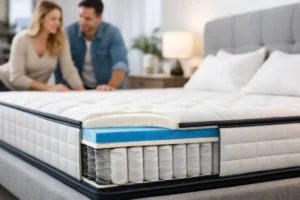
For this back pain mattress case study, the replacement was a hybrid mattress with three priorities: responsive pressure relief, a structured pocketed coil system, and cooler sleep performance. The build included a comfort layer designed to cushion the shoulders and hips, transitional support to prevent excessive sink, and individually pocketed springs to reinforce alignment while reducing partner disturbance.
This type of construction was chosen for a reason. Foam alone can feel pressure relieving, but some sleepers with back stiffness find they sink too deeply or retain heat. Traditional springs can feel supportive, but often transfer too much movement and create concentrated pressure. A well-built hybrid aims to solve both problems at once.
The tested profile was medium-firm. That is an important distinction. Not hard, not ultra-plush. Medium-firm tends to work well for many adults with back discomfort because it gives enough surface comfort for side sleeping without letting the lower body collapse out of alignment. That said, body weight and sleep position still matter. A lighter sleeper may need a touch more contouring, while a heavier sleeper may require stronger pushback from the support core.
What changed after the first week
The first noticeable improvement was not pain elimination. It was reduced morning stiffness. That is often the more realistic early signal that a mattress is working better. The sleeper reported getting out of bed with less tightness through the lower back and fewer sharp reminders during the first steps of the day.
The second change was fewer wake-ups tied to partner movement. Individually pocketed coils did a better job isolating motion than the old open spring setup, and that meant longer stretches of uninterrupted sleep. Better continuity matters because the body does much of its physical recovery during deeper, less fragmented sleep stages.
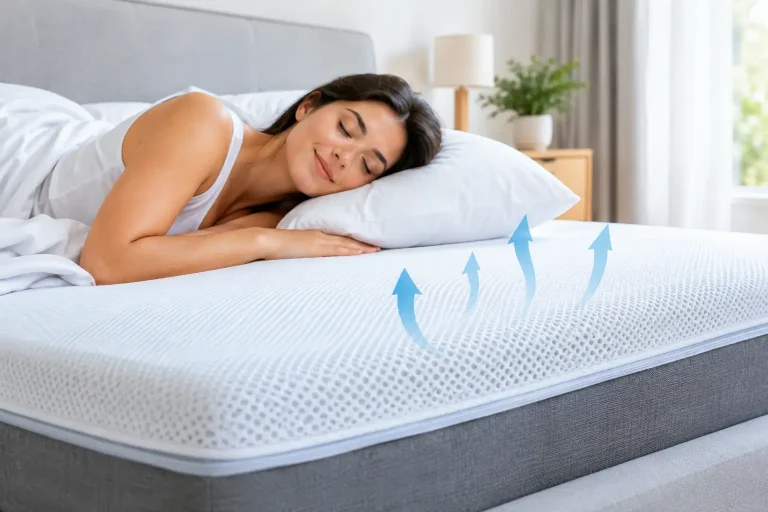
There was also less overheating. That sounds secondary until you see how often heat drives nighttime repositioning. If the sleeper is twisting, kicking off blankets, and waking half-aware to cool down, the body never fully settles. Temperature regulation is not just a comfort extra. For many people, it is part of whether the support system can do its job consistently through the night.
Results at 30 days
By the one-month mark, the sleeper described the improvement in practical terms: less lower back pain on waking, less need for morning stretching, and fewer episodes of shoulder numbness when side sleeping. Pain was not gone every single day, especially after long hours sitting at work, but the baseline had shifted in the right direction.
That “it depends” piece is worth stating clearly. A mattress can make a meaningful difference, but it is not magic. If someone has a demanding commute, poor desk posture, a previous injury, or an inflammatory condition, sleep support is one part of the load management picture. Still, when a mattress removes avoidable strain for seven to eight hours each night, that change adds up.
The partner also reported better sleep quality, which reinforced that the result was not only about subjective comfort. Reduced motion transfer improved the whole bed environment. For couples, that can be the difference between a mattress that feels fine in theory and one that actually supports consistent rest.
What this back pain mattress case study really shows
The clearest lesson is that support has to be targeted, not generic. The sleeper did not need the firmest mattress available. They needed a mattress that kept the lumbar area supported, allowed enough cushioning for side sleeping, and stayed stable when weight shifted during the night.
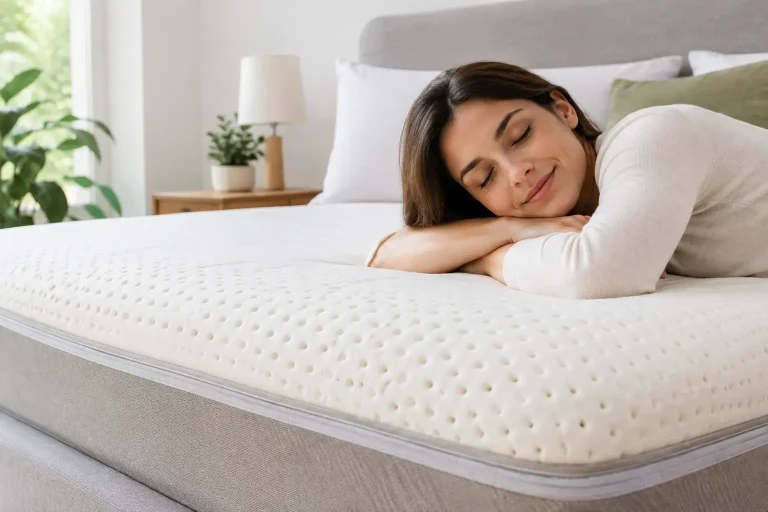
This is why hybrid design performs so well for many pain-conscious shoppers. Latex or responsive comfort foams can ease pressure at the joints, while a structured pocket spring system helps maintain alignment and reduce roll-together or partner disturbance. Add breathable materials, and the mattress is less likely to trigger the constant movement that breaks sleep apart.
For shoppers comparing options, the right question is not “soft or firm?” It is “what happens to my spine, shoulders, hips, and sleep quality after six hours in my usual position?” That question leads to better choices.
A mattress built around comfort, spine support, and overheating control will generally outperform a one-note design for people with recurring back stiffness. That is the logic behind performance-focused hybrid systems, including those developed by brands like Azure Mattress. The construction matters because every layer influences whether the body settles into recovery or spends the night compensating.
Who should take this as a useful signal
If your pain is worst first thing in the morning, if your mattress has visible sagging, if your partner’s movement wakes you regularly, or if you sleep hot and shift positions all night, this case study should sound familiar. Those signs often point to a mattress that is no longer supporting healthy rest.
The fix is not always the same for everyone. Stomach sleepers may need a firmer feel to keep the pelvis from dropping. Dedicated side sleepers usually need more pressure relief around the shoulders and hips. Couples often benefit most from stronger motion isolation. But the bigger principle stays the same: the best mattress for back pain is the one that keeps the body aligned without creating new pressure or heat problems.
If your bed is making every morning harder than it needs to be, pay attention to the pattern. The right mattress does not just feel better at bedtime. It helps your body argue less with gravity while you sleep.