A mattress can feel soft, supportive, and expensive – and still ruin your sleep if it traps heat. That is the real issue behind how cooling mattresses prevent overheating. When your body cannot release excess warmth through the surface beneath you, sleep gets lighter, wake-ups become more frequent, and morning recovery suffers.
For adults dealing with back pain, stiffness, or restless nights, temperature is not a side issue. It directly affects sleep depth, muscle relaxation, and how long you stay comfortable in one position. A cooling mattress is designed to manage heat, not just feel cool for the first few minutes when you lie down.
How cooling mattresses prevent overheating at night
The simplest answer is this: cooling mattresses help your body release heat instead of holding it around you. They do that through a combination of breathable materials, open internal structure, and surface layers that reduce heat buildup.
A traditional mattress often traps warmth because it uses dense foam layers with limited airflow. Once your body heat sinks into those materials, it lingers. That is why some beds feel increasingly warmer through the night, especially around the shoulders, hips, and lower back where body contact is strongest.
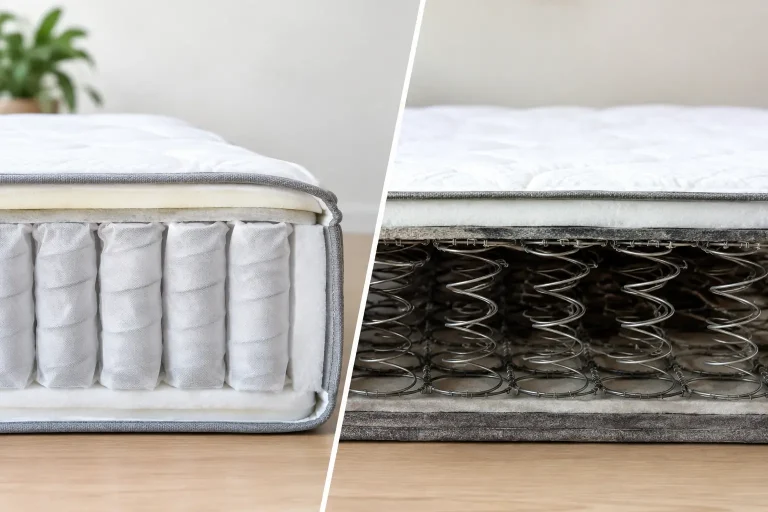
A cooling mattress addresses the problem in several ways at once. The cover may be more breathable. The comfort layers may use latex or cooling gel foams that absorb and disperse heat more effectively than standard memory foam. Underneath, a pocketed coil system creates space for air to move through the mattress instead of sealing heat inside it.
That combination matters. No single material solves overheating on its own. Cooler sleep usually comes from a system, not a gimmick.
The materials that make the biggest difference
When people shop for a mattress, they often focus on firmness first. That makes sense if you are trying to improve spinal alignment or relieve joint pressure. But if you sleep hot, the material stack deserves just as much attention.
Latex naturally stays more breathable
Latex is one of the strongest performers for temperature regulation because it has a more open, responsive structure than traditional memory foam. Instead of contouring deeply and surrounding the body, it tends to offer pressure relief with more lift and less sink.
That difference changes how heat behaves. When you stay more on the mattress rather than deeply in it, there is more room for airflow around your body. Latex also rebounds quickly, so it does not hold a compressed, heat-trapping shape around pressure points for long periods.
For many sleepers, especially those who want pressure relief without feeling swallowed by the bed, latex offers a better balance of comfort and cooling.
Cooling gel foams help disperse warmth
Foam gets a bad reputation for sleeping hot, and in many cases that is fair. Dense, low-airflow foam can trap heat. But not all foams perform the same way.
Cooling gel foam is designed to pull warmth away from the body and spread it more evenly across the surface. That does not mean the bed stays cold all night. It means the foam is less likely to create a hot pocket directly under you.
The real benefit is more stable comfort. Instead of waking up because one area of the mattress feels stuffy and warm, you get a sleep surface that resists heat concentration for longer.
Pocketed coils create internal airflow
One of the most effective temperature-control features is often hidden in the support core. Individually pocketed springs do more than support the spine and reduce motion transfer. They also allow air to circulate through the mattress.
This is where hybrid construction has a clear advantage over many all-foam beds. A coil system leaves open channels inside the mattress, which gives heat somewhere to go. As you move during the night, air shifts through those spaces instead of being trapped in a solid block of foam.
That airflow is especially valuable for couples. Two bodies generate more heat, and a bed with better ventilation is far less likely to feel stuffy in the middle of the night.
Why overheating disrupts sleep quality so quickly
People often think of overheating as a comfort problem, but it is really a sleep performance problem. Your body temperature naturally drops as part of the process of falling and staying asleep. If your mattress keeps too much heat close to the body, it can interfere with that process.
The result is often subtle at first. You may toss more, kick off the blanket, flip the pillow, or wake briefly without fully realizing why. Over time, those interruptions add up. Sleep becomes lighter and less restorative.
This is one reason hot sleepers often report waking sore, even when their mattress seems supportive. If you are constantly shifting to escape heat buildup, your body never stays settled long enough to fully relax. That can aggravate pressure points and make back or hip discomfort feel worse by morning.
How cooling design works with pressure relief and support
A cooling mattress should not force you to choose between temperature control and orthopedic support. In fact, the best cooling performance usually comes from a mattress that balances both.
If a mattress is too soft and allows excessive sink, more of your body becomes enclosed by the comfort layers. That limits airflow and increases heat retention. If it is too firm, pressure can build at the shoulders and hips, causing you to move more often and break up sleep.
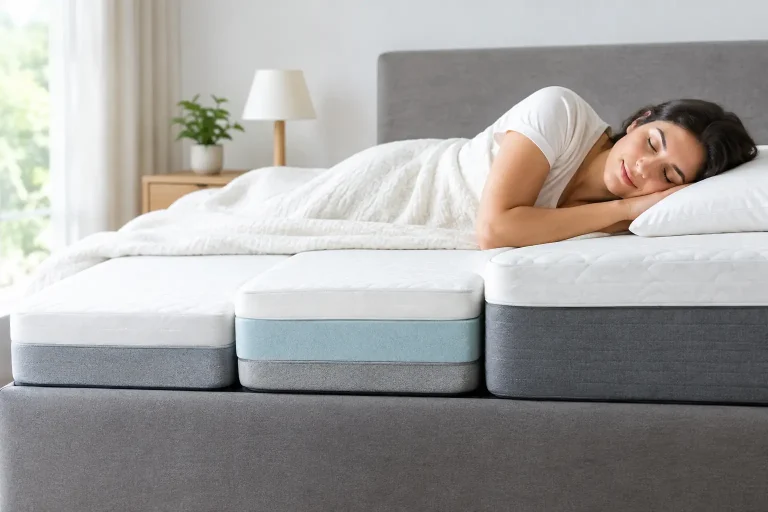
The ideal setup keeps the spine aligned while maintaining enough surface responsiveness for air circulation and easier movement. This is where hybrid mattresses stand out. A responsive comfort layer like latex or engineered cooling foam can cushion pressure points, while the pocket spring base supports the body more evenly and prevents deep sagging.
That balance is especially helpful for side sleepers and couples. Side sleepers need pressure relief, but too much sink can make overheating worse. Couples need motion isolation, but dense all-foam builds can trap heat from both sleepers. A well-designed hybrid can address both concerns without compromise.
It depends on the sleeper, not just the mattress
Not every hot sleeper overheats for the same reason. Some people naturally sleep warmer. Some live in humid climates. Some are affected by body weight, sleepwear, bedding, or whether they share a bed.
That is why mattress cooling is partly about design and partly about fit. A person who wants deep memory-foam contouring may still sleep warmer than someone on a more responsive latex hybrid, even if both beds use cooling claims in their marketing. A heavier sleeper may also generate more heat and compress the comfort layers more deeply, making airflow even more important.
This is where marketing language can get misleading. Many mattresses advertise a cool-to-the-touch cover and stop there. That surface feel can be pleasant, but it is not the same as all-night temperature regulation. Once you have been in bed for a few hours, the deeper construction matters much more than the first touch.
What to look for if you sleep hot
If overheating is a regular problem, focus on the full mattress build rather than one feature. Breathable covers help, but they should sit over comfort layers that do not trap heat easily. Latex and cooling gel foams are generally stronger choices than traditional dense memory foam. Underneath, a pocketed coil support system adds the airflow that many hot sleepers need.
It is also worth paying attention to how the mattress is described in terms of feel. Beds that emphasize deep hug and slow response may feel comfortable at first but can sleep warmer over time. More responsive surfaces often make it easier to change positions and stay cooler through the night.
For shoppers who want pain relief and cooler sleep, this is where a hybrid model makes practical sense. It can deliver pressure relief, structured support, and ventilation in one design. That is the kind of performance-driven sleep engineering brands like Azure Mattress are built around – not just a cooler touch, but a bed that helps maintain comfort, alignment, and less disturbed sleep over the course of the night.
Cooling is not about making a mattress feel icy. It is about reducing the heat buildup that interrupts recovery. When the materials, support system, and airflow work together, you are more likely to fall asleep comfortably, stay asleep longer, and wake up feeling like your body actually had the chance to reset.