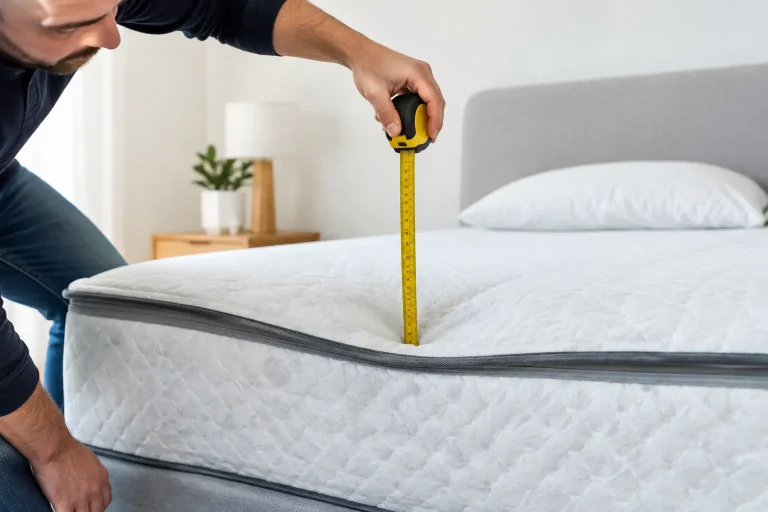
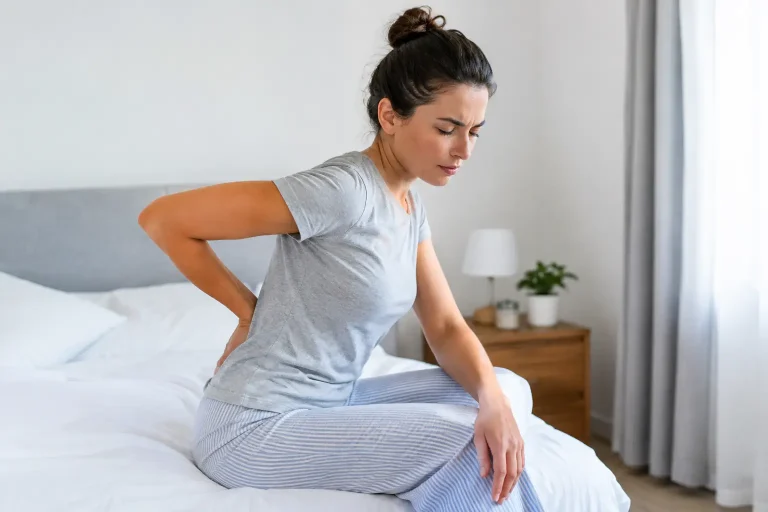
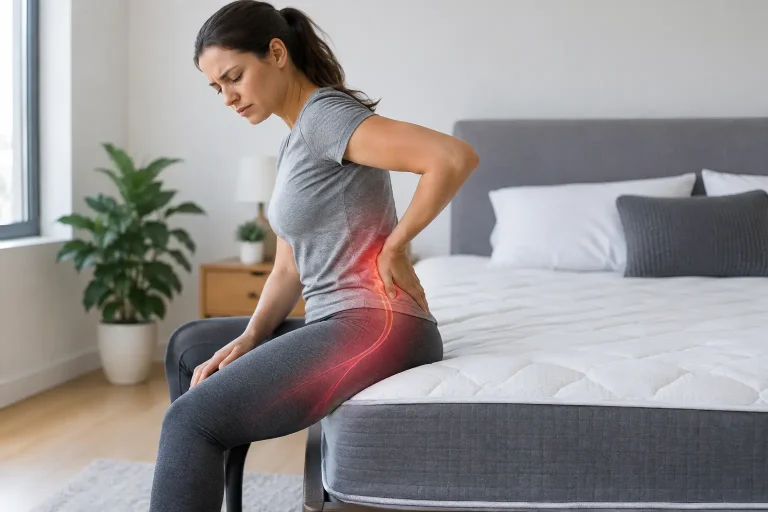
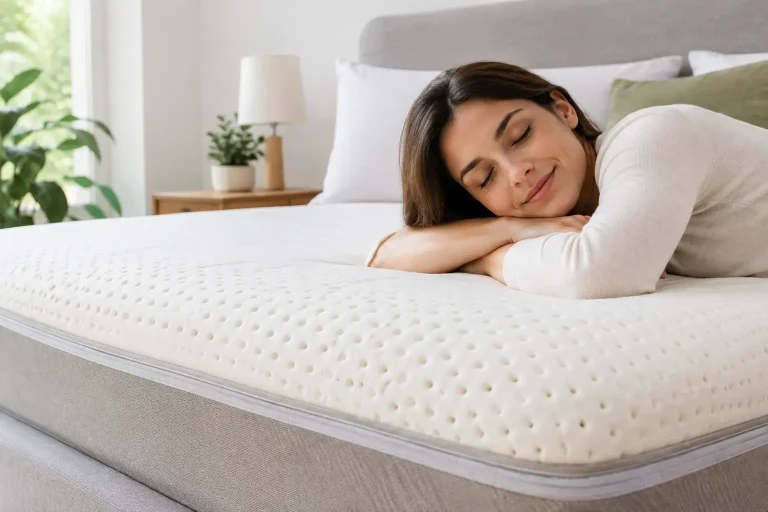
Sciatica has a way of turning bedtime into a test. You lie down to recover, but the wrong surface can press into the hips, twist the lower back, and keep that nerve irritation active for hours. If you’re shopping for a hybrid mattress for sciatica nerve pain, the goal is not just softness or firmness. The real goal is spinal alignment, pressure relief, cooler sleep, and enough stability that your body can finally stop fighting the bed.
Why a hybrid mattress can help with sciatica nerve pain
Sciatica pain often starts when the lower back, pelvis, or surrounding muscles put pressure on the sciatic nerve. A mattress cannot treat the root medical cause, but it can either reduce strain overnight or make it worse. That matters because many people with sciatica wake up stiffer than when they went to bed.
A hybrid mattress works well here because it combines two things the body usually needs at the same time – contouring comfort and structural support. The foam or latex comfort layers help cushion high-pressure zones like the hips and shoulders. The coil system underneath adds pushback, which helps keep the spine from dipping out of alignment.
That balance is what many all-foam beds struggle with for pain-sensitive sleepers. If the mattress is too plush, the hips can sink too far. If it is too firm, the surface can create sharp pressure points. A well-built hybrid gives you a more controlled response, which is often better for lower back stability and nerve-related discomfort.
What to look for in a hybrid mattress for sciatica nerve pain
Targeted spinal support matters more than a firmness label
Many shoppers start by asking whether they need a soft, medium, or firm mattress. That is understandable, but firmness alone does not tell you how the mattress will support your body. Two medium mattresses can feel completely different depending on the coil design, latex responsiveness, and how quickly the comfort layers compress.
For sciatica, medium to medium-firm is often the safest range for most adults because it tends to keep the pelvis from collapsing while still allowing some pressure relief. But body weight and sleeping position change that equation. A lighter side sleeper may need more cushioning to avoid hip pressure, while a heavier back sleeper may need firmer support to keep the lumbar area level.
What you want is a mattress that holds the heavier parts of the body steady without creating a hard sleeping surface. Individually pocketed coils are useful because they respond more precisely than old connected spring systems. They support where needed and reduce the broad, uneven bounce that can throw the spine out of position.
Pressure relief should be noticeable at the hips and shoulders
Sciatic irritation and hip pressure often go together, especially for side sleepers. If the comfort layers are too thin or too stiff, you may feel buildup around the hip and outer thigh. That can lead to more tossing, more muscle guarding, and less restorative sleep.
Latex and high-quality pressure-relieving foams tend to perform well because they distribute weight without allowing the body to bottom out. Latex has an added advantage for some sleepers – it is responsive rather than slow and sinking. That means it cushions pressure points while still making movement easier, which is helpful if pain wakes you up and you need to change positions.
Motion isolation is not just for couples
If you share a bed, motion isolation is a major quality-of-life feature. Sciatica can make sleep lighter and more fragmented, so every movement from a partner may feel amplified. Pocketed coils combined with stabilizing comfort layers can reduce transfer across the mattress and help maintain what feels like a zero disturbance surface.
Even if you sleep alone, motion control still matters. A mattress with too much bounce can make position changes feel abrupt, especially when the lower back is already irritated. Controlled responsiveness is usually more comfortable than excessive springiness.
Cooler sleep can reduce nighttime discomfort
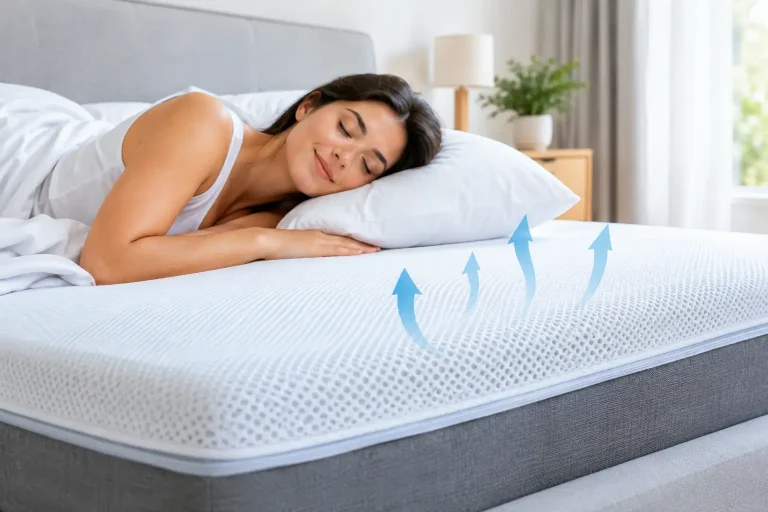
Pain and overheating are a frustrating combination. When your body is warm, you tend to shift more, and more shifting can aggravate sciatica. This is one reason hybrid mattresses often outperform dense all-foam designs for hot sleepers.
Air moves more freely through a coil support core than through solid foam. Add breathable latex or cooling gel foam on top, and the mattress can maintain a more comfortable sleep temperature throughout the night. It will not feel like air conditioning, but it can reduce heat buildup enough to improve sleep continuity.
The best sleeping positions for sciatica depend on the mattress beneath you
Back sleeping is usually the easiest position for maintaining neutral spinal alignment, but only if the mattress supports the lumbar curve without creating a hollow feeling. A hybrid with steady center support and moderate contouring can keep the hips from dropping too low.
Side sleeping can also work very well, especially for people who cannot tolerate lying flat on their back. The mattress needs enough give at the shoulder and hip, but not so much that the waist collapses. This is where hybrid construction tends to shine. It can offer surface relief while still holding the torso in a healthier line.
Stomach sleeping is usually the most difficult position for sciatica because it often forces the lower back into extension. If that is your usual position, a firmer hybrid may reduce the amount of sag, but many sleepers still find that changing positions makes a bigger difference than changing firmness alone.
When a mattress feels supportive but still does not help
This is where nuance matters. A mattress can be technically supportive and still not feel right for your body. Some people with sciatica are sensitive to even small amounts of hip pressure. Others need a mattress with stronger lumbar reinforcement because their discomfort is tied more closely to lower back instability.
There is also the adjustment period to consider. If you have been sleeping on an old sagging mattress, a new hybrid may feel firmer at first simply because your body is no longer dropping into worn-out spots. A short break-in period is normal. Ongoing numbness, sharp pain, or increasing morning stiffness is not something to ignore.
That is why practical buying protections matter. Free returns, a real trial period, and a strong warranty reduce the risk of choosing the wrong mattress. For many shoppers, convenience features like home delivery and installment payments are not just nice extras. They make it easier to replace a painful bed before the problem drags on for another year.
Materials that usually perform best for pain-focused hybrid designs
Not every hybrid is built for recovery. Some are simply spring mattresses with a little foam on top. For sciatica, the better builds usually include pressure-relieving comfort layers, a stable transition layer, and a structured coil system that supports the spine instead of just adding bounce.
Natural or responsive latex is a strong option for sleepers who want cushioning with less sink. Cooling gel foam can help with temperature regulation while softening contact points. Individually pocketed springs are often the backbone of the design because they support alignment and limit motion transfer at the same time.
Certifications also matter more than they may seem. Foams that meet CertiPUR-US standards and fabrics or components carrying Oeko-Tex certifications can offer added reassurance about material quality. For health-focused shoppers, these details support the larger picture: a mattress should feel better, perform consistently, and hold up over time.
Choosing the right hybrid mattress for sciatica nerve pain
If your pain is mild and you mainly need better pressure relief, a medium hybrid with latex or adaptive foam may be enough. If your pain is tied to lower back instability or an older sagging bed, a medium-firm hybrid with stronger coil support is often the better direction. Couples should pay close attention to motion isolation, while hot sleepers should prioritize breathable layers and airflow through the core.
A brand like Azure Mattress builds around those exact pressure points – spine and joint support, cooler sleep, and low motion transfer – which is why hybrid construction continues to make sense for pain-conscious buyers. The value is not in piling on features. It is in choosing materials that solve a real problem when the lights go out.
The right mattress will not cure sciatica, but it can remove one of the biggest nightly triggers. And when your bed starts supporting recovery instead of interrupting it, sleep stops feeling like something you have to get through and starts feeling useful again.