A warm, damp mattress is the last place anyone wants to spend eight hours recovering from a long day. So, are latex mattresses naturally antimicrobial? Natural latex has properties that can make it less welcoming to certain microbes, mold, and dust mites than some conventional mattress materials. But it is not a self-cleaning or germ-proof surface, and the full answer depends on the mattress construction, cover, room humidity, and daily care.
For sleepers focused on relief from stiffness, overheating, or disrupted sleep, that distinction matters. A cleaner-feeling sleep surface can support peace of mind, but true comfort also comes from pressure relief, airflow, and stable spinal support.
What “naturally antimicrobial” means for latex mattresses
Natural latex is made from the sap of rubber trees, then processed into a durable, responsive foam. Its dense, open-cell structure and natural composition make it relatively resistant to the conditions that help some microorganisms thrive. It is also less likely to hold moisture than highly absorbent materials when the mattress has good ventilation.
That does not mean latex kills every bacterium, virus, or fungus it encounters. “Antimicrobial” is often used broadly in mattress marketing, but shoppers should read it as a resistance benefit, not a hygiene guarantee. Latex may help create a less favorable environment for microbial growth, especially when compared with materials that trap warmth and moisture, yet sweat, skin cells, spills, and humid air can still affect any mattress over time.
This is why the best latex mattress is never just about one layer. It is about how that layer works with breathable fabrics, airflow channels, and a supportive base that helps heat and moisture move away from the body.
Natural latex versus synthetic latex
Not all latex is the same. Natural latex contains rubber-tree-derived material, while synthetic latex is manufactured from petrochemical-based compounds. Many mattresses use a blend of natural and synthetic latex to balance performance, consistency, and cost.
Both can be resilient and pressure-relieving, but the “natural antimicrobial” conversation is most relevant to natural latex. If this property is a priority, ask the manufacturer whether the latex is natural, blended, or fully synthetic and what percentage of natural latex is used. A label that simply says “latex” does not tell the whole story.
Latex can help with dust mites, but it is not a complete solution
Dust mites are not microbes, but they are a major reason people look for a fresher sleep environment. They feed on shed skin cells and tend to thrive in warm, humid bedding. Latex foam is generally less hospitable to dust mites than loose, fibrous materials because it is dense and does not provide the same easy nesting environment.
Still, dust mites live in the entire sleep system, not only inside the mattress. Pillows, sheets, blankets, upholstered headboards, and bedroom carpeting can all contribute. If allergies are part of your concern, a washable mattress protector and regularly laundered bedding will make a bigger difference than relying on the mattress material alone.
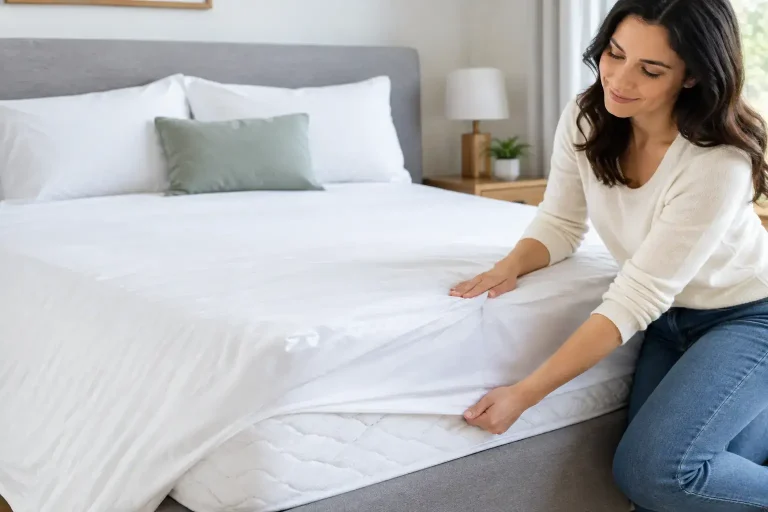
A quality protector should be breathable. A thick plastic-feeling cover may block spills, but it can also trap heat and interfere with the temperature-regulating benefits that make latex appealing in the first place.
Why airflow matters as much as the latex layer
Moisture is the real enemy of a fresh mattress. Every night, the body releases heat and perspiration. When that moisture stays trapped near the sleep surface, it can create conditions that encourage odor and microbial growth, particularly in humid climates or bedrooms with limited air circulation.
Latex can contribute to better airflow because many latex foams use an open-cell structure, and some designs include pinholes that allow air to circulate. In a well-designed hybrid mattress, the benefit can be stronger: a responsive latex comfort layer sits above individually pocketed coils, creating space for air to move through the mattress rather than remain trapped in dense foam.
That design also supports the sleep outcomes most people actually feel. Latex cushions pressure points around the shoulders and hips, while pocketed springs provide targeted support for the lower back and help maintain alignment. The airflow is valuable, but it should not come at the expense of comfort or joint support.
Are latex mattresses naturally antimicrobial when they get wet?
No mattress material performs at its best when repeatedly exposed to moisture. Latex is moisture-resistant, not waterproof. A major spill, a damp foundation, or consistent exposure to high humidity can still lead to odor, staining, or mold on the cover and surrounding materials.
If a spill occurs, strip the bed immediately and blot the area with a clean, dry towel. Do not soak the mattress or use harsh cleaners. Let it dry completely in a well-ventilated room before remaking the bed. For deeper contamination, such as a large liquid accident, follow the manufacturer’s care instructions and consider professional cleaning advice rather than saturating the foam.
The foundation matters, too. A mattress needs a dry, supportive base that allows adequate airflow. Slats that are too far apart can compromise support, while a solid platform in a humid space can limit ventilation underneath. The right foundation protects both the feel and the longevity of the mattress.
What latex does not protect against
A latex layer cannot replace normal mattress hygiene. It does not prevent surface dirt, eliminate allergens in your sheets, or make it safe to ignore a spill. It also does not guarantee that a mattress is free from chemical odors or emissions. Those are separate questions tied to adhesives, foams, fire barriers, cover fabrics, and manufacturing standards.
For shoppers who want greater material transparency, certifications can be useful. Oeko-Tex certification for textiles can indicate that the fabric has been tested for harmful substances, while CertiPUR-US applies to qualifying polyurethane foams. These standards do not prove antimicrobial performance, but they can offer reassurance about components that contribute to your sleep environment.
Be cautious with products that promise complete protection from germs or claim to cure allergy symptoms. No mattress should make medical claims it cannot support. If you have severe allergies, asthma, or a diagnosed sensitivity, speak with a qualified healthcare professional about a plan that includes your full bedroom environment.
How to keep a latex mattress fresh and supportive
The simplest routine is also the most effective. Use a breathable, washable mattress protector from the first night. Wash sheets weekly, or more often if you sleep hot, have pets in the bed, or deal with seasonal allergies. Keep the bedroom ventilated when possible, and use air conditioning or a dehumidifier if humidity is consistently high.
Rotate the mattress as recommended by the manufacturer, especially during its early months. This helps the comfort layers wear more evenly and preserves the stable, pressure-relieving feel that supports your back and joints. Avoid folding, bending, or standing a latex mattress on its side for extended periods unless the care guide specifically allows it.
Vacuuming the mattress surface occasionally with an upholstery attachment can remove dust from the cover. Keep the suction gentle, and never use a steam cleaner on latex foam. High heat and excess moisture can damage materials that are designed to perform best in a cool, dry sleep environment.
Choosing a latex hybrid for cleaner, cooler sleep
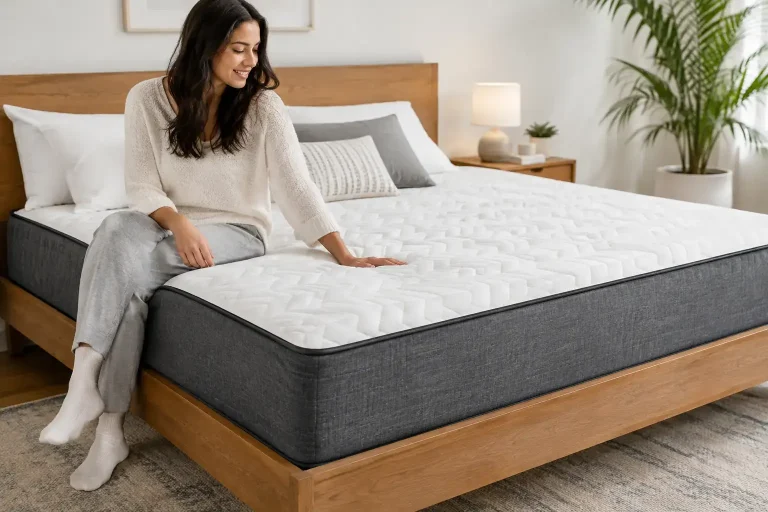
Latex is a strong choice for people who want buoyant pressure relief without the deep, heat-trapping feel associated with some all-foam beds. It responds quickly when you change positions, which can be especially comfortable for combination sleepers and couples. In a hybrid design, individually pocketed coils can add structured spinal support, edge stability, and motion isolation while helping promote ventilation.
At Azure Mattress, the goal is not to rely on a single material claim. A performance-focused sleep system combines latex comfort, cooling materials, and individually pocketed springs so your mattress can address pressure, overheating, and partner movement together.
The practical takeaway is simple: natural latex can be a valuable part of a fresher mattress, particularly when paired with breathable construction and consistent care. Choose the feel and support your body needs, protect the surface from moisture, and give your sleep environment the same attention you give the mattress itself. That is where peaceful, restorative sleep begins.