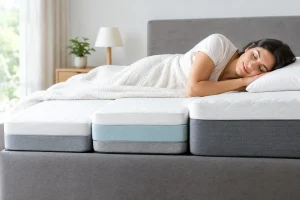
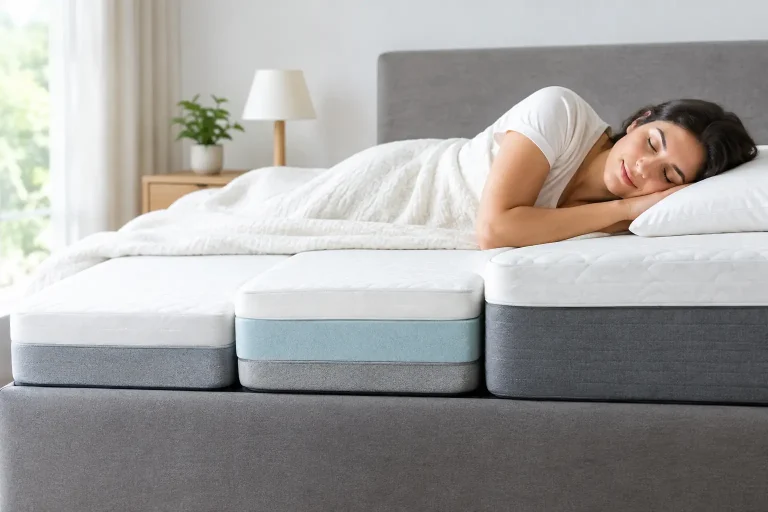
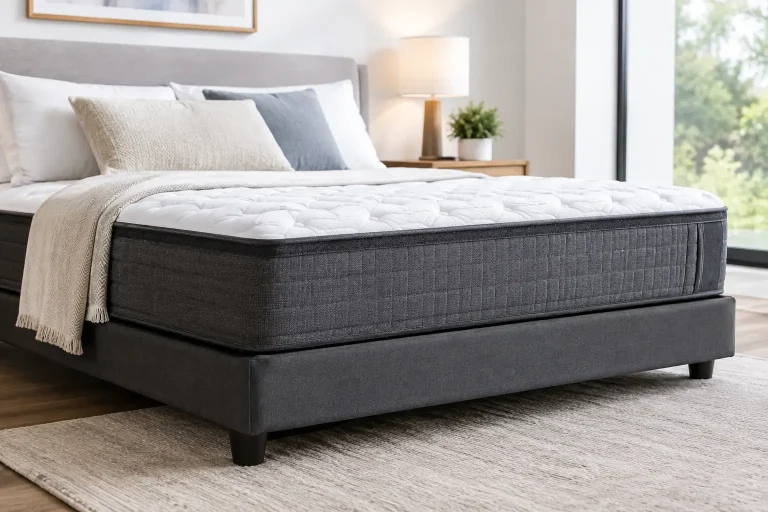
A mattress can look perfectly fine and still leave you waking up with a tight lower back, sore hips, or heat trapped around your shoulders. That is where a well-chosen topper can make a meaningful difference. This latex mattress topper review guide focuses on what affects real sleep performance: pressure relief, spinal support, temperature control, movement, and the condition of the mattress underneath.
Latex is not a shortcut for every sleep problem. But for sleepers who want a more responsive, breathable surface without replacing a mattress immediately, it can be one of the strongest materials to consider. The key is choosing the right type, thickness, and firmness for your body and current bed.
Why Latex Feels Different From Foam
Latex has a buoyant, responsive feel. When you shift position, it adapts quickly instead of allowing you to sink slowly into a deep body impression. For combination sleepers, this makes turning from your back to your side feel easier. For people with joint discomfort, it can soften concentrated pressure at the shoulders and hips while still keeping the body supported.
Memory foam often creates a more enveloping sensation. Some sleepers love that close contouring, especially when they want a deeply cushioned surface. Others find it restrictive, warm, or difficult to move on. Latex generally feels more lifted and springy, with less of the “stuck” sensation associated with softer foam.
That responsiveness matters for alignment. A topper should not simply feel plush when you first lie down. It should help prevent the hips from dropping too far, which can place strain on the lower back. The best latex toppers balance gentle contouring with enough upward support to keep the spine in a more neutral position.
Latex Mattress Topper Review Guide: Start With Your Mattress
A topper changes the feel of a mattress. It does not repair a mattress that has lost its structure.
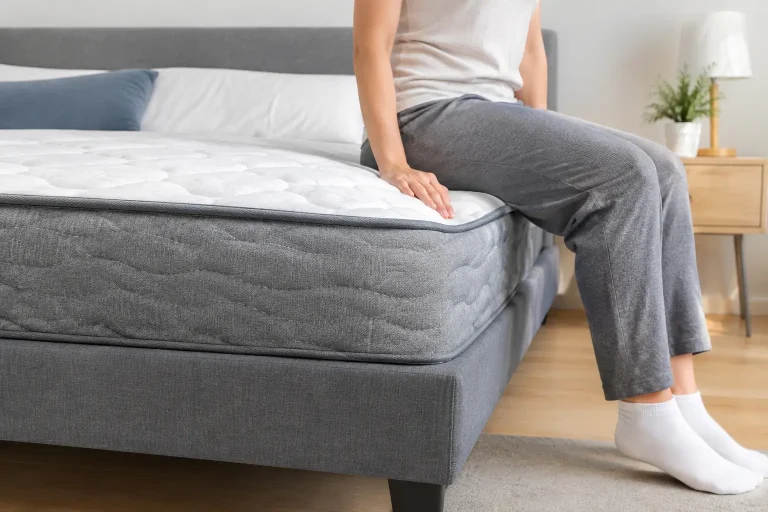
If your existing bed has visible sagging, deep permanent impressions, weak edges, or springs you can feel through the surface, adding latex may only disguise the issue briefly. You may gain a little cushioning, but the uneven support below can still pull your spine out of alignment. In that situation, a replacement mattress is usually the better investment.
A topper works best when the mattress below is still flat and supportive but feels too firm, slightly uncomfortable, or warmer than you would like. It can also be useful when a couple needs a more pressure-relieving sleep surface without changing the entire mattress right away.
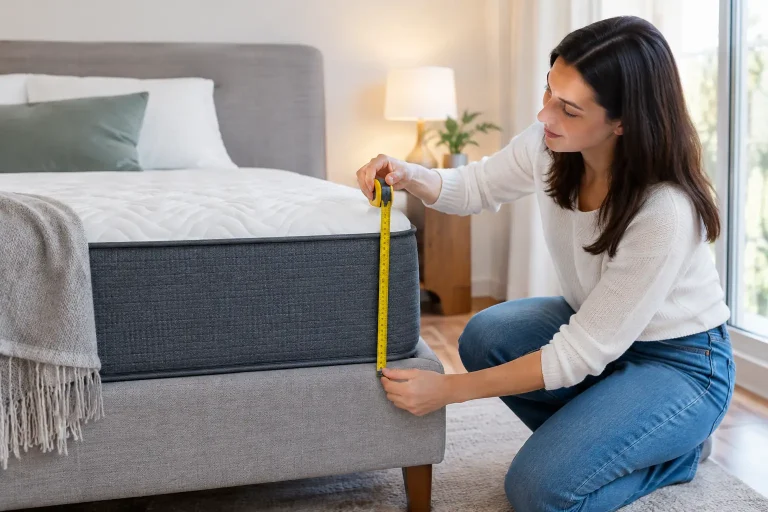
Before buying, place a straight edge across your mattress and look for dips. Consider where discomfort begins. Shoulder pressure when side sleeping often calls for more cushioning. Lower-back strain may mean the bed is too soft, too worn, or lacking support in the core. Those are different problems, and they require different solutions.
Choose the Right Latex Type
The word “latex” covers several material options. They are not equal in feel, consistency, or cost.
Natural Latex
Natural latex is made primarily from rubber tree sap. It is valued for its resilience, breathability, and long-term performance. A high-quality natural latex topper can retain its supportive feel longer than many lower-density foam alternatives, making it attractive for sleepers who see comfort as a long-term health investment.
Natural does not automatically mean a topper is pure or chemical-free. Manufacturing processes vary, and products may include fabric covers, adhesives, or blended components. Review the material details rather than relying only on broad marketing terms.
Dunlop Latex
Dunlop latex is typically denser and slightly firmer-feeling, especially toward the bottom of the slab. It suits sleepers who need a steadier, more grounded support layer. Back sleepers, stomach sleepers, and people who feel their hips sink too deeply may prefer its stable character.
Talalay Latex
Talalay latex is often more uniform and airy in feel. It can provide a lighter, more pressure-relieving surface, which is especially appealing for side sleepers with shoulder or hip sensitivity. It is usually more expensive, so the decision comes down to whether you need added plushness and a more refined feel rather than simply a supportive lift.
Blended Latex
Blended latex combines natural and synthetic latex. It can still offer good bounce, durability, and comfort at a lower price. It may be a practical option when budget is the deciding factor, but shoppers who prioritize natural material content should check the stated blend percentage carefully.
Thickness and Firmness Determine the Result
A topper that is too thin may not provide enough pressure relief. One that is too thick or soft can reduce the support of a mattress that was working well underneath. This is why thickness should be chosen based on your sleep position and the problem you are trying to solve.
A 1-inch topper makes a subtle adjustment. It is best for people who already like their mattress but want a touch more cushioning or surface breathability. A 2-inch topper is often the most versatile choice, delivering noticeable comfort without dramatically changing overall support. A 3-inch topper makes a more substantial change and is more appropriate for a mattress that feels uncomfortably firm but remains structurally sound.
Firmness is equally personal. Side sleepers commonly do well with soft to medium latex because it allows the shoulder and hip to settle in without sharp pressure. Back sleepers often need medium firmness to support the natural curve of the lumbar area. Stomach sleepers usually require a firmer, thinner option, since excessive cushioning beneath the pelvis can create lower-back compression.
Body weight also changes the equation. A heavier sleeper may compress soft latex more deeply and need a firmer topper to avoid sinking. A lighter sleeper may find firm latex too unyielding and receive better pressure relief from a softer design.
Cooling Performance: What Latex Can and Cannot Do
Latex is naturally more breathable than many dense foams because its open-cell structure allows more airflow. Perforations through the material can improve ventilation further. For people who wake up hot, that airflow can make the sleep surface feel less insulated and more comfortable through the night.
Still, no topper can single-handedly overcome a hot bedroom, heavy comforter, or non-breathable mattress protector. Cooling is a complete sleep-system issue. Breathable sheets, a moisture-managing protector, and a mattress with airflow-friendly construction all contribute to better temperature regulation.
If heat is a consistent sleep disruptor, avoid judging a topper only by cooling labels. Look at its cover fabric, latex construction, thickness, and what will sit above and below it. A thick topper covered with synthetic, heat-holding bedding may not perform as cool as expected.
Motion Isolation and Partner Sleep
Latex has more bounce than memory foam, so it may transfer slightly more surface movement when a partner gets in or out of bed. However, its quick response also means the material does not create a slow, rolling wave across the bed.
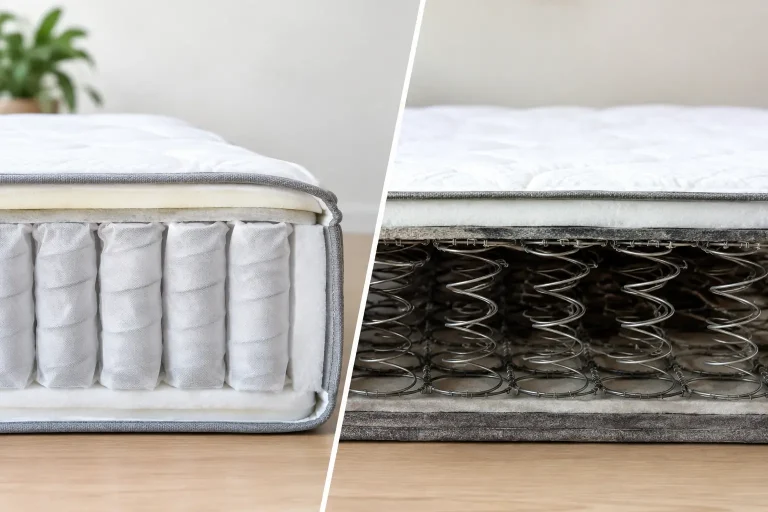
For couples, the topper matters, but the mattress foundation matters more. A mattress with individually pocketed coils can limit motion at the source while latex adds responsive pressure relief on top. This combination can offer a more balanced result than relying on a topper alone: supportive positioning, easier movement, and less night-time disturbance.
If your current mattress transfers a great deal of motion, do not expect even an excellent latex topper to create complete isolation. It can improve comfort, but it cannot change the internal construction of the bed beneath it.
Details That Separate a Good Topper From a Disappointing One
A topper should fit securely and stay flat. Check dimensions carefully, especially if your mattress is extra-deep or has rounded corners. A grippy bottom or fitted cover can help reduce shifting, although a proper mattress protector and fitted sheet usually keep a topper in place.
The cover is more than a cosmetic feature. A breathable, removable cover helps with hygiene and can protect the latex from body oils and everyday wear. Latex itself should not be soaked or machine-washed. Spot-clean it as directed, air it out when needed, and keep it protected from direct sunlight, which can degrade the material over time.
Certifications can also provide useful reassurance. Look for clear information on emissions, foam content when applicable, and textile safety. Certifications do not tell you whether a topper will feel comfortable for your body, but they can help you evaluate material transparency and indoor-use standards.
Finally, pay attention to the trial period and warranty. Latex is durable, yet comfort remains personal. A reasonable return policy gives you time to judge whether your shoulders, hips, and lower back feel better after several nights of normal sleep, not just after a few minutes in a showroom.
Is a Latex Topper Worth It?
A latex topper is worth considering when your mattress is supportive but not comfortable enough, particularly if you want better pressure relief, easier movement, and improved airflow. It is less suitable when the mattress has already sagged, when you want the deepest possible body hug, or when absolute motion isolation is your main priority.
Think of the topper as a precision comfort layer, not a cure for a failing bed. When its firmness, thickness, and material type match your sleep position, it can help turn a merely acceptable mattress into a more restful, better-supported place to recover each night.