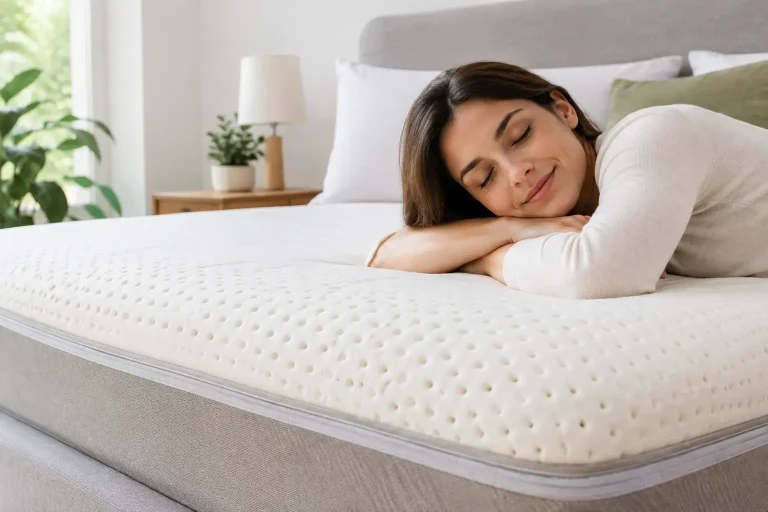
If you wake up sore on one side, hot in the middle of the night, or annoyed every time your partner rolls over, the choice between cooling gel foam vs latex comfort is more than a feel preference. It affects pressure relief, spinal alignment, motion control, and how refreshed your body feels in the morning. The right material can reduce strain on your shoulders, hips, and lower back. The wrong one can leave you tossing, overheating, or feeling stuck.
For most shoppers, this is not really a question of which material is better in general. It is a question of which one solves your sleep problem more effectively. Cooling gel foam and latex both improve comfort, but they do it in very different ways.
Cooling gel foam vs latex comfort: what changes on the bed
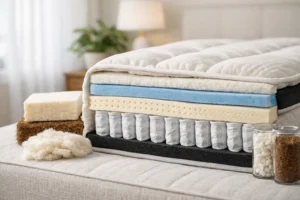
Cooling gel foam is designed to contour closely around the body. It responds to pressure, cushions curves, and can create that cradled, pressure-relieving feel many side sleepers love. When gel is infused into the foam, the goal is to reduce heat buildup and create a cooler sleep surface than traditional memory foam.
Latex feels different from the first second you lie down. It is more buoyant, more responsive, and less likely to let you sink deeply into the surface. Instead of hugging the body in a slow way, latex gently pushes back. That matters if you want pressure relief without losing easy movement.
So the comfort difference is simple to feel. Cooling gel foam usually feels deeper, closer, and more body-conforming. Latex usually feels springier, more lifted, and more breathable. Neither feel is automatically right for everyone.
If pain relief is the goal, comfort has to support alignment
A mattress should not only feel soft enough at the top. It also needs to keep your spine in a healthier position through the night. This is where many shoppers get confused. They chase a plush feel and end up with too much sink, or they choose a firmer surface and create pressure points.
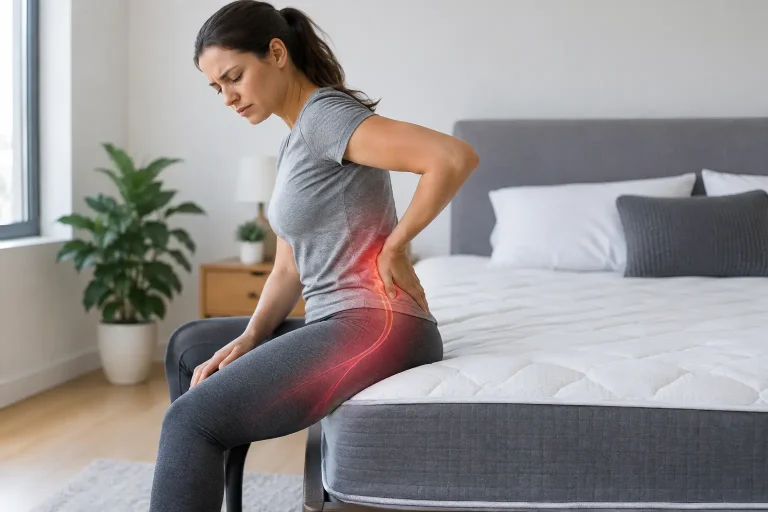
Cooling gel foam can be excellent for pressure relief around the shoulders, hips, and knees. For people with sharp pressure buildup or side-sleeping discomfort, that contouring effect often feels like immediate relief. It spreads body weight more evenly and can reduce the hard pushback that causes numbness or joint irritation.
The trade-off is that some all-foam comfort layers can let heavier areas sink too far if the support beneath them is not strong enough. That is why material choice should never be separated from mattress construction. In a well-designed hybrid, cooling gel foam can deliver comfort while the coil system below helps maintain alignment.
Latex handles pain relief differently. It relieves pressure, but it does not mold around the body as deeply. Instead, it keeps you more elevated and supported. For sleepers with lower back stiffness, combination sleepers, or anyone who feels trapped by slow-response foams, latex can offer a more balanced comfort profile. It cushions without collapsing.
If your pain is mostly pressure-based, especially around shoulders and hips, cooling gel foam may feel better. If your pain is linked to posture, lower back fatigue, or difficulty moving in bed, latex often has the edge.
Heat control is where the comparison gets practical
A lot of people see the word cooling and assume cooling gel foam must be the cooler option. Not always.
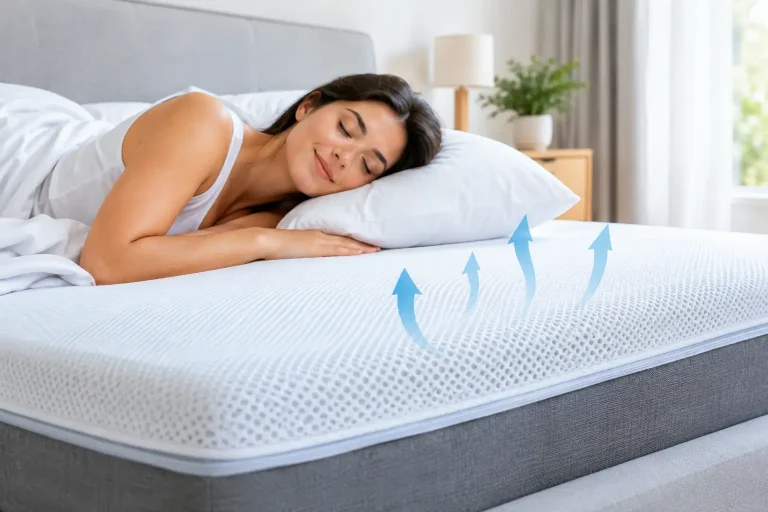
Cooling gel foam is built to improve on traditional foam, which is known for trapping heat. The gel infusion helps absorb and disperse body heat, and open-cell structures can improve airflow. Compared with old-style memory foam, this is a real improvement. For many sleepers, especially in climate-controlled rooms, it performs well.
Latex is naturally more breathable because of its open structure and more responsive feel. Since you sleep more on the mattress than deeply in it, your body has less enclosed contact with the surface. That alone can help reduce heat retention. In a hybrid build with breathable covers and airflow through pocketed coils, latex often feels cooler and more temperature-stable over the course of the night.
So if you are a mild hot sleeper, cooling gel foam may be enough. If you regularly wake up sweaty, sleep warm year-round, or live in a hotter climate, latex often delivers more dependable cooling comfort.
Motion isolation and movement feel very different
For couples, comfort is not just about softness. It is also about how much movement you feel from the other side of the bed.
Cooling gel foam usually performs better at motion isolation. It absorbs movement instead of bouncing it across the surface. If your partner changes position often, gets up early, or tends to disturb your sleep, a foam comfort layer can help quiet the bed.
Latex is more responsive, which means it gives back more energy when weight shifts. That makes it easier to move, but it can also mean slightly more noticeable movement compared with foam. In a hybrid mattress with individually pocketed coils, that motion transfer can still be controlled well, but latex generally will not feel as still as foam.
This is an area where your priorities matter. If zero disturbance is your top concern, cooling gel foam usually wins. If easy movement and less resistance matter more, latex is often the better fit.
Cooling gel foam vs latex comfort by sleep position
Your sleep position changes how each material performs under your body.
Side sleepers often prefer cooling gel foam because it cushions pressure points more deeply. The shoulder and hip can settle in without as much pushback, which helps reduce overnight soreness.
Back sleepers can go either way. Cooling gel foam feels more contouring and pressure-relieving. Latex feels more supportive and lifted. If you have lower back discomfort, latex may feel more stable, especially if you dislike too much sink.
Stomach sleepers usually need firmer support and minimal sink through the hips. Latex often performs better here because it keeps the body on a flatter plane. Softer foam comfort layers can allow the pelvis to dip too much, which may strain the lower back.
Combination sleepers usually appreciate latex because it responds quickly as you change position. Cooling gel foam can still work, but some sleepers find the slower contouring effect makes turning feel harder.
Durability, feel over time, and what that means for value
Comfort on day one is only part of the decision. You also want a material that keeps performing.
High-quality latex is known for durability. It tends to maintain its resilience and support longer, which is one reason many premium mattresses use it in comfort layers. If you want a mattress that keeps a stable feel for years, latex is a strong choice.
Cooling gel foam durability depends heavily on foam quality and density. Better foams can perform very well, especially when paired with a supportive hybrid structure. Lower-quality foams, on the other hand, may soften faster and lose some of their original feel.
This is where build quality matters more than marketing. Certifications, material specs, and the support core under the comfort layer all help determine whether the mattress will continue delivering pain relief and cooler sleep over time.
Which comfort material fits your sleep goals?
Choose cooling gel foam if you want deeper pressure relief, stronger motion isolation, and a softer, more contouring surface. It is often the better match for side sleepers, couples sensitive to movement, and people who want cushioning around sore joints.
Choose latex if you want a cooler, more responsive sleep surface with easier movement and a more lifted feel. It is often the better match for back sleepers, stomach sleepers, hot sleepers, and shoppers who prioritize long-term resilience.
For many adults upgrading from a basic spring mattress, the best answer is not foam or latex alone. It is a hybrid design that uses the comfort benefit you prefer on top of a support system that protects alignment underneath. That is why brands like Azure Mattress focus on layered construction instead of one-note comfort. The right mattress should solve heat, pain, and partner disturbance together, not force you to choose just one.
The smartest way to shop is to start with your body, not the buzzwords. If your biggest complaint is pressure, lean toward contouring. If it is overheating or feeling stuck, lean toward responsiveness. Good sleep feels comfortable right away. Great sleep still feels supportive at 3 a.m., when your back, joints, and body temperature tell the truth.