A mattress can feel pleasantly soft when you first lie down and still leave your lower back tight by morning. It can also feel impressively supportive in a showroom yet create pressure at your shoulders after a full night. That is why the firm versus medium mattress decision is not about choosing the toughest bed you can tolerate. It is about finding the surface that keeps your spine supported while allowing your hips, shoulders, and joints to relax.
For many adults, especially those waking with stiffness, pain, overheating, or disrupted sleep from a partner’s movement, firmness is the starting point for better rest. The right choice depends on your body, sleep position, and the quality of the mattress underneath the surface feel.
Firm Versus Medium Mattress: The Real Difference
Mattress firmness describes how much resistance you feel when your body presses into the bed. A medium mattress has more initial cushioning and contouring. A firm mattress feels flatter and more supportive at the surface, with less sink around the hips and shoulders.
Neither label is a universal measurement. One brand’s medium may feel like another brand’s medium-firm, particularly when materials differ. A thick layer of responsive latex can make a mattress feel buoyant and supportive, while memory foam may allow deeper contouring even at a similar stated firmness. Pocket springs can add stable pushback without making the bed feel hard.
That distinction matters because support and firmness are not identical. A well-engineered medium hybrid can provide excellent spinal support through its coil system while still cushioning pressure points. A poorly built firm mattress, on the other hand, can feel hard on top but lack the structure needed to hold the body in a healthy position.
Think of firmness as the feel you notice. Think of support as what the mattress does for your alignment through the night.
Who Usually Benefits From a Medium Mattress?
A medium mattress is often the most adaptable choice for combination sleepers, couples with different preferences, and people who want noticeable pressure relief without a deep, sinking sensation. It allows the shoulder and hip to settle in enough for comfort, while a supportive core helps prevent the midsection from dropping too far.
Side sleepers commonly prefer medium comfort because the shoulder carries more concentrated pressure in this position. If the surface is too firm, the shoulder may not sink in enough, forcing the neck and upper back out of alignment. This can lead to numb arms, sore shoulders, or the familiar urge to switch positions repeatedly.
Medium can also suit back sleepers with an average body weight. The goal is gentle contouring at the lower back with enough resistance beneath the pelvis. A high-quality hybrid mattress is especially useful here: comfort layers help ease pressure, while individually pocketed coils provide targeted support across the body.
There is a trade-off. Very lightweight sleepers may find some medium mattresses firmer than expected because they do not compress the comfort layers as deeply. Conversely, a heavier sleeper may need a medium mattress with substantial coil support and durable materials so it does not feel too soft over time.
When a Firm Mattress Makes More Sense
A firm mattress is often a strong option for stomach sleepers and many back sleepers, particularly those who feel their hips dip into softer beds. When the hips sink too low, the lower back can arch unnaturally. Over several hours, that position may contribute to morning stiffness and muscle fatigue.
Stomach sleepers generally need the most level surface of all sleep positions. Their chest, abdomen, and hips should stay closer to the same plane, rather than collapsing into the mattress. A firm feel can limit excessive sink and help maintain a more neutral spinal position.
Firm mattresses may also be preferred by higher-weight sleepers who need more pushback from the surface and support core. The key word is supported, not rigid. A bed should resist deep sagging while still offering enough comfort at the pressure points. If a firm mattress causes hip pain, shoulder pain, or frequent tossing and turning, it may be too firm for your body – even if you sleep on your back or stomach.
A firm hybrid built with pressure-relieving latex or cooling gel foam can be a practical middle ground. You get a stable, supportive feel without the unforgiving pressure of an old-fashioned hard spring mattress.
Sleep Position Is the Best Place to Start
Your usual sleep position gives a clearer signal than any marketing label. Side sleepers tend to need more pressure relief at the shoulder and hip, making medium or medium-firm a sensible starting point. Back sleepers often do well with medium-firm to firm, depending on body weight and whether their lower back needs more contouring. Stomach sleepers usually need firm support to keep the pelvis from dipping.
Combination sleepers should not choose based only on the position they fall asleep in. Consider the position where you spend the longest time. A responsive hybrid can be particularly helpful because it makes repositioning easier than a deeply contouring foam bed while still offering pressure relief.
If you sleep with a partner, the decision becomes more nuanced. One person may prefer a firmer feel while the other needs more cushioning at the shoulder. In that case, a medium-firm hybrid is often the compromise that feels supportive to both sleepers. Individually pocketed springs also help isolate movement, so a partner getting up or changing position is less likely to disturb your sleep.
Why Mattress Construction Changes the Feel
Do not judge a mattress by its firmness label alone. The materials and layer design determine whether that feel remains comfortable and supportive night after night.
A quality hybrid combines comfort layers with a structured pocket spring system. The upper layers can cushion joints and reduce pressure, while the coils respond independently to different areas of the body. This is useful when your shoulders need more give but your lumbar area and hips need steadier support.
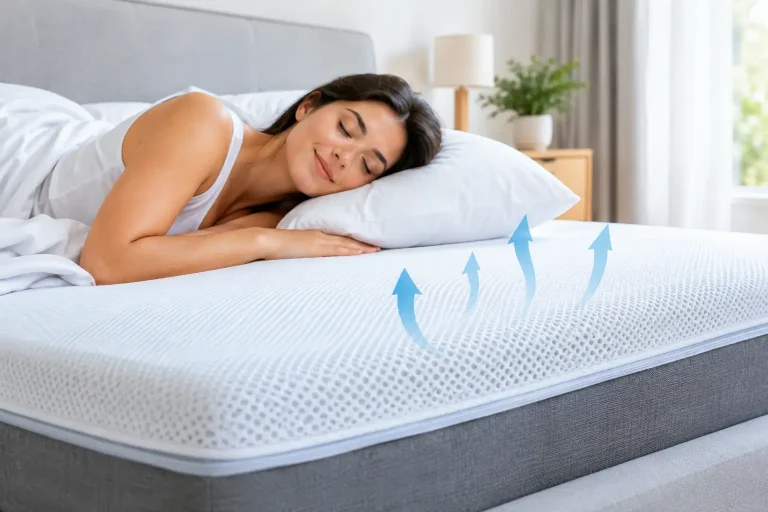
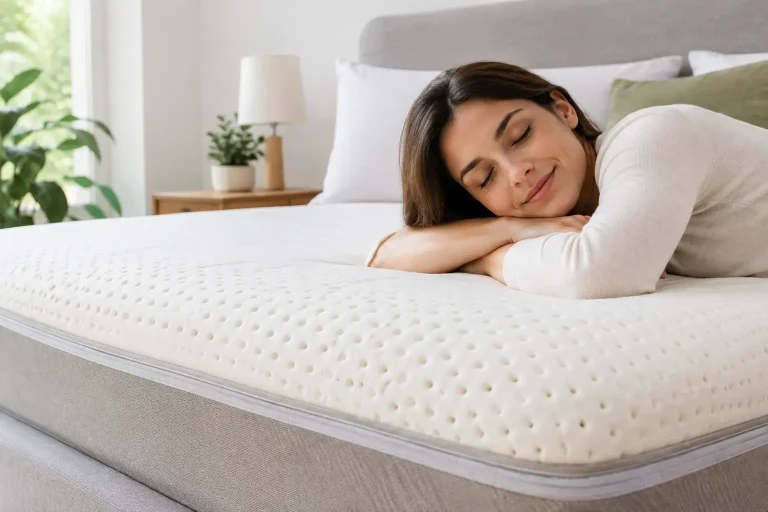
Latex is often valued for its responsive pressure relief. It cushions without the slow, deep hug some sleepers dislike, and its naturally open structure can support airflow. Cooling gel foams can add contouring comfort while helping manage heat buildup. For sleepers who wake hot, this matters as much as firmness. A medium mattress that traps heat can feel far less comfortable by 3 a.m. than it did at bedtime.
Durability matters, too. Comfort layers that soften too quickly can turn a once-supportive medium mattress into a sagging surface. Look for thoughtful construction, a stable coil base, and material standards such as CertiPUR-US and Oeko-Tex certifications when available. These details support the long-term performance of the mattress you bring into your bedroom.
How to Tell if Your Current Mattress Is Too Firm or Too Soft
Your body often provides the answer before you find the right terminology. A mattress may be too firm if you wake with shoulder soreness, hip tenderness, numbness, or pressure that makes you change positions repeatedly. Side sleepers are especially likely to notice these signs.
A mattress may be too soft if your lower back feels strained, your hips sink visibly lower than your chest, or you wake feeling like you need to stretch out of a bent position. You may also find it difficult to move or feel pulled toward the center of the bed.
Give a new mattress a reasonable adjustment period, but do not ignore consistent discomfort. Your body may need time to adapt to healthier support, especially after sleeping on a worn-out mattress. Still, persistent pain, disrupted sleep, or worsening stiffness is useful feedback – not something to push through.
Make the Choice With Your Whole Sleep System in Mind
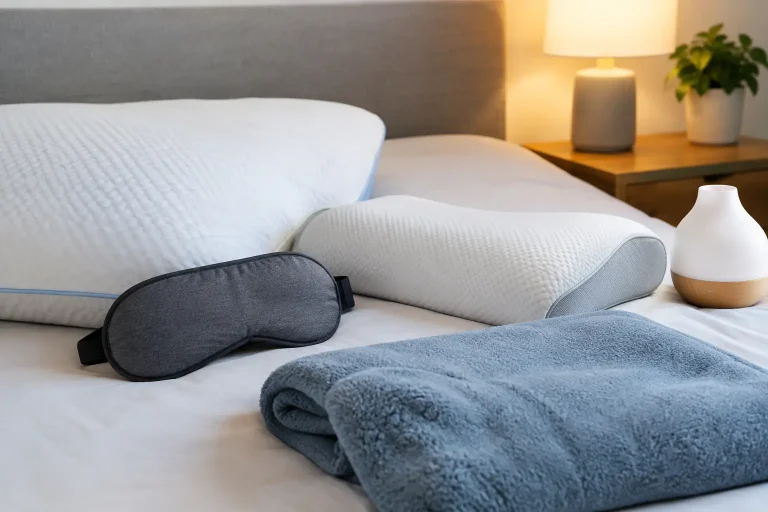
A mattress does not work alone. Your pillow height should match your sleep position and mattress feel. On a firmer bed, side sleepers may need a pillow that keeps the head properly elevated above the shoulder. On a more contouring medium mattress, a slightly lower pillow may maintain better neck alignment.
A mattress topper can refine the surface feel, but it cannot repair weak support underneath. If your existing bed sags or lacks stable spinal support, adding a soft topper may make the problem worse. Choose the right core mattress first, then use pillows and toppers for smaller comfort adjustments.
Azure Mattress designs hybrid sleep systems around the balance that matters most: pressure relief where your body needs it, stable support where your spine needs it, and breathable materials that help you sleep cooler.
The best choice is the one that lets you wake up without negotiating with your back, shoulders, or energy level. Start with your sleep position, pay attention to where you feel pressure or sinking, and choose a mattress built to support peaceful, restorative sleep rather than simply a firmer surface.