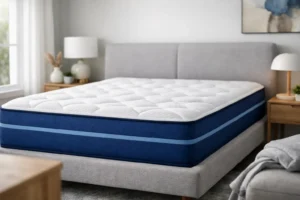
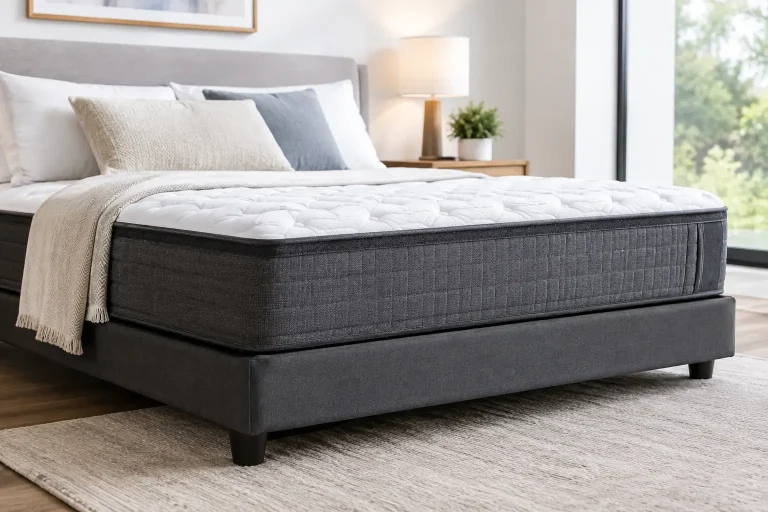
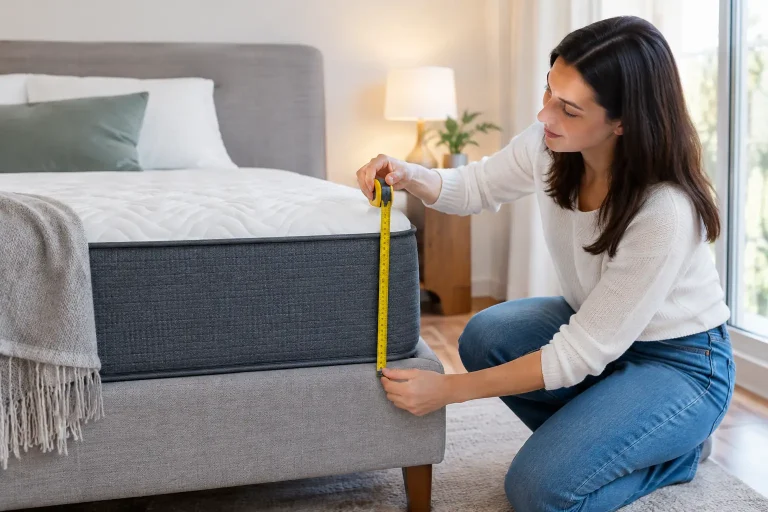
A new mattress should help you wake up less stiff, not leave you wondering whether the smell in your bedroom is normal. If you are searching certipur foam off gassing how long, the practical answer is that most noticeable new-mattress odor fades within 24 to 72 hours. In some cases, especially after a mattress has been compressed in a box for an extended period, a mild odor can take up to a week to fully disappear.
That timeline is reassuring, but it is only part of the decision. CertiPUR-US certified foam is tested for certain chemicals and low emissions, yet certification does not mean a mattress will arrive completely odor-free. Understanding the difference helps you set realistic expectations, air out your mattress correctly, and focus on the comfort, support, and cooler sleep you bought it for.
What causes foam off-gassing?
Off-gassing is the release of small amounts of volatile organic compounds, or VOCs, from materials after manufacturing. With a bed-in-a-box mattress, foam layers are vacuum-sealed and compressed shortly after production. When you unbox the mattress, the foam expands and any trapped odor becomes more noticeable in the room.
People often describe this scent as new, chemical-like, plasticky, or slightly sweet. It is not necessarily an indication that the mattress is poorly made. The intensity can vary based on the type and amount of foam, how long the mattress stayed in its packaging, room temperature, humidity, and ventilation.
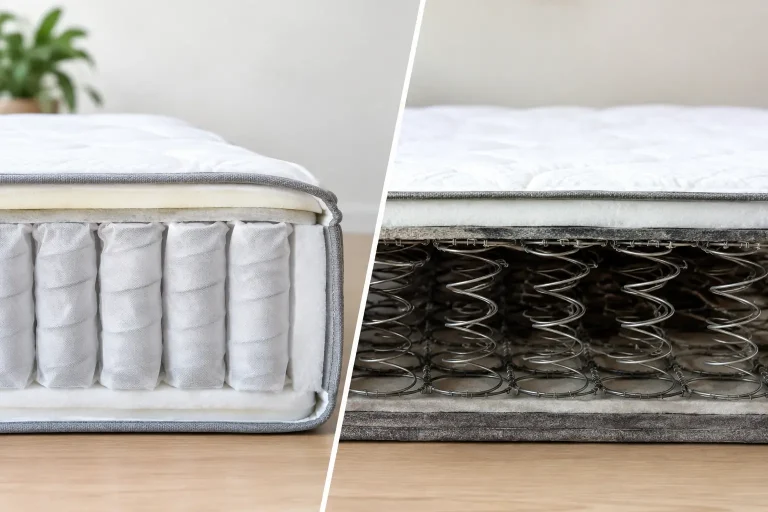
A hybrid mattress may contain several components, including comfort foams, latex, fabric, adhesives, and pocketed coils. Foam is commonly the source people notice first, but the cover and packaging can also contribute to the initial smell. The good news is that odor and sleep performance are not the same thing. A temporary smell does not change how well a properly designed mattress supports spinal alignment, cushions pressure points, or isolates a partner’s movement.
CertiPUR foam off-gassing: how long should you expect?
For most sleepers, the strongest smell is gone after the first one to three days. Leave the mattress uncovered in a well-ventilated bedroom, and you may find it is ready to sleep on the same night. If you are particularly sensitive to smells, allowing 48 to 72 hours before putting on sheets can make the experience more comfortable.
A light residual odor can occasionally linger for five to seven days. This is more likely when a mattress was delivered during hot weather, stored in a warm warehouse, unpacked in a small closed room, or compressed for a longer period. It should steadily become less noticeable, rather than staying equally strong or getting worse.
There is no single deadline that applies to every mattress. Dense memory foam can hold onto an odor longer than a more open, airy foam, while breathable latex and a coil system can help promote airflow through a hybrid construction. A cool room may slow expansion slightly, while a warmer, ventilated room can help the mattress open up and air out.
If odor remains strong beyond a week, give the mattress more ventilation and contact the manufacturer for product-specific guidance. If it has not improved after two weeks, that is a reasonable point to ask whether the product may have a packaging or material issue.
What CertiPUR-US certification does and does not mean
CertiPUR-US is a foam certification program. It evaluates flexible polyurethane foam for content, emissions, and durability standards. Certified foams are made without certain substances, including ozone depleters, PBDE flame retardants, mercury, lead, formaldehyde, and regulated phthalates. They are also tested for low VOC emissions.
That is a meaningful quality signal for anyone choosing a foam or hybrid mattress. Lower VOC emissions are particularly relevant in a bedroom, where you spend long uninterrupted hours recovering from work, exercise, and daily stress.
Still, certification should not be interpreted as “zero VOCs” or “zero scent.” A new product can have a temporary odor even when its foam meets low-emission standards. It also applies specifically to the foam, not automatically to every material in the finished mattress. Consider the full construction: the cover, adhesives, latex, coils, and any additional textile certifications all contribute to the bigger picture.
The better question is not whether you can detect any smell at all. It is whether the odor is mild, improving quickly, and backed by transparent material standards. That is a much more useful measure of a mattress built for peaceful, restorative sleep.
How to air out a new foam mattress faster
You do not need sprays, fragrances, or complicated treatments. Fresh air and patience usually do the job best. After unboxing, remove all plastic packaging immediately and place the mattress on a clean, supported foundation. Leave it uncovered while it expands.
Open windows if outdoor conditions allow, or run air conditioning, a ceiling fan, or a portable fan to keep air moving through the room. If possible, air out the mattress in a spare room rather than the bedroom you plan to use that night. A well-ventilated space is more effective than trying to mask the smell with candles, essential oils, or fabric sprays.
Avoid soaking the mattress, applying baking soda directly to the foam, or using harsh cleaners. Moisture can damage internal materials, create an entirely different odor problem, and may affect warranty coverage. Do not place the mattress in direct, prolonged sunlight either. Heat and UV exposure can be tough on foams and fabrics.
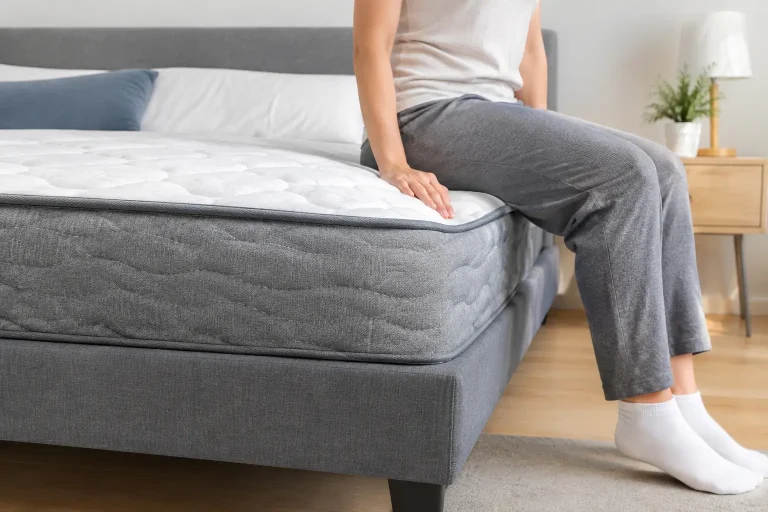
If your schedule allows, let the mattress expand for a full day before dressing it with a protector and sheets. This also gives the comfort layers time to regain their intended shape. A hybrid bed needs that structure working as designed so its pressure-relieving layers, responsive coils, and airflow features can deliver consistent support from the first night onward.
When should you be concerned?
A mild smell that fades is generally expected. A sharp odor that causes immediate discomfort, does not improve with ventilation, or seems unusually strong after a week deserves follow-up. Stop using the mattress and speak with the seller or manufacturer if the smell persists beyond two weeks, the product arrives visibly damaged or damp, or you notice an odor resembling mildew or burning.
Your personal sensitivity matters, too. People with asthma, migraines, allergies, or chemical sensitivities may prefer to air out a mattress longer and sleep elsewhere for the first few nights. If you experience ongoing headaches, nausea, breathing difficulty, eye irritation, or worsening asthma symptoms, move away from the room and seek medical advice as appropriate. A mattress should support recovery, not make your bedroom uncomfortable.
It also helps to distinguish a mattress odor from other sources. New paint, flooring, furniture, a humid room, or the plastic wrapping left nearby can all affect how the space smells. Remove packaging from the home promptly and keep the room clean and dry while the mattress airs out.
Choosing a mattress with confidence
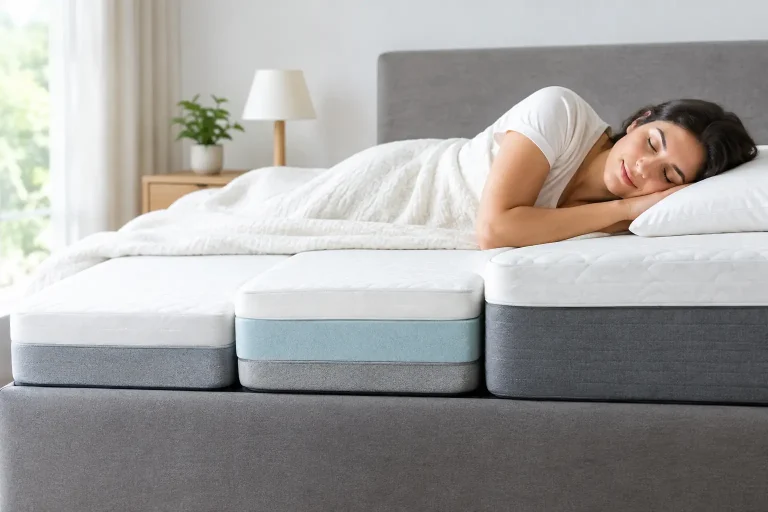
A short off-gassing period is a reasonable trade-off for the convenience of a compressed mattress delivered to your door. What matters more is what comes after it: stable comfort, pressure relief around the shoulders and hips, dependable support through the lower back, and less disturbance when your partner changes position.
Look for transparent material information and credible certification claims, then give a newly opened mattress the airflow it needs. Once the initial scent clears, your attention should return to the outcome that counts: a cooler, calmer sleep surface that helps your body feel more supported when morning comes.