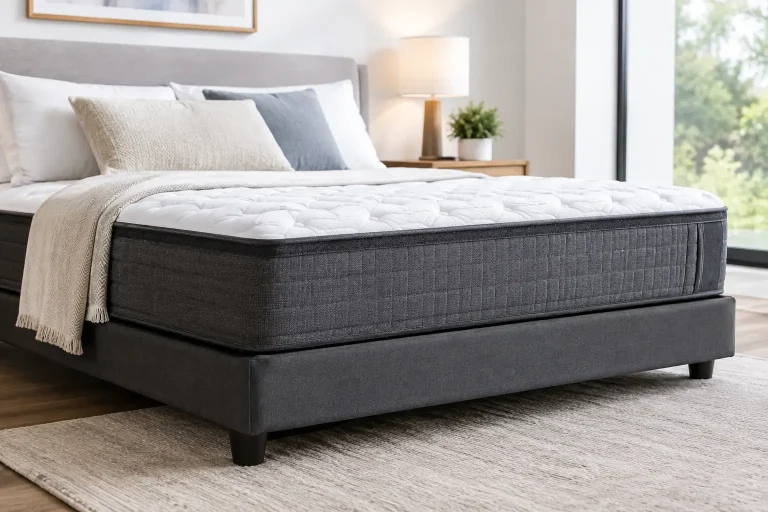
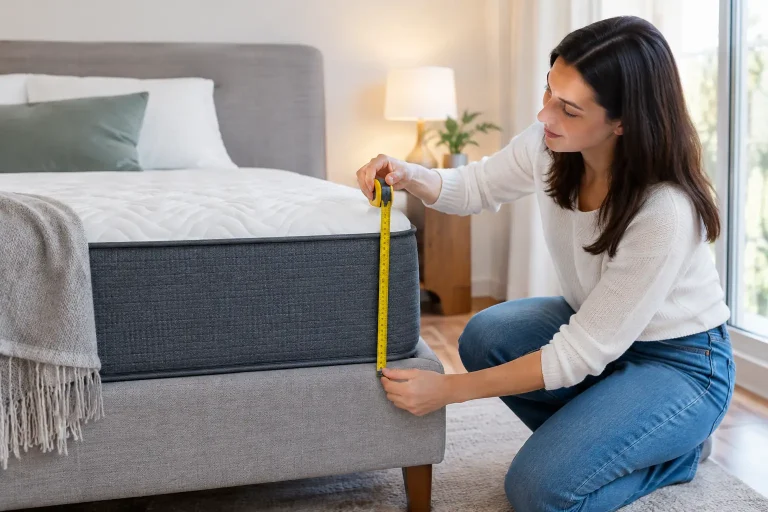
Buying a hybrid mattress gets confusing fast when every option claims to feel balanced, supportive, and pressure relieving. If you are trying to figure out how to choose hybrid firmness, the real question is simpler: what level of support keeps your spine aligned, your joints comfortable, and your sleep uninterrupted through the night?
That answer is different for a 130-pound side sleeper than it is for a 220-pound back sleeper with lower back pain. Firmness is not just about whether a mattress feels soft or hard when you first lie down. On a hybrid, it is about how the comfort layers and pocketed coils work together under your specific body weight, sleep position, and pressure points.
How to choose hybrid firmness based on your body
The biggest mistake people make is shopping by label alone. Soft, medium, and firm are useful starting points, but they do not tell you how a hybrid will respond once your body settles into the mattress. The same bed can feel plush to one sleeper and surprisingly firm to another.
Body weight changes how deeply you engage the comfort layers and support core. Lighter sleepers usually do better on soft to medium hybrid firmness because they do not compress the top layers as much. If the bed is too firm, the shoulders and hips may not sink enough, which can create pressure buildup and a stiff feeling in the morning.
Average-weight sleepers often find the safest range in medium to medium-firm. This is where many hybrids perform best because they can deliver contouring from latex or foam while the pocket springs maintain stable lumbar support. If you want one mattress that feels comfortable without sacrificing alignment, this is usually the most dependable category.
Heavier sleepers generally need medium-firm to firm support. A hybrid that is too soft can let the hips sink too far, pulling the spine out of neutral position. That is when mattresses start feeling comfortable for ten minutes and painful by morning. Stronger coil support and denser comfort materials matter more here than softness.
Sleep position matters more than most shoppers expect
Firmness should match how you spend most of the night, not how you first lie down in a showroom or during a quick home test. Your sleeping position determines where your body needs cushioning and where it needs pushback.
Side sleepers
Side sleeping creates the most pressure at the shoulders and hips. Most side sleepers do best with a soft to medium hybrid, depending on body weight. You want enough give in the top layers to reduce pressure points, but not so much that your waist drops and twists the spine.
If you wake up with shoulder numbness or hip soreness, your mattress may be too firm. If you wake up with lower back tension, it may be too soft or lacking enough coil support underneath the comfort layers.
Back sleepers
Back sleepers usually need medium to medium-firm support. The goal is to let the hips settle slightly while keeping the lower back from collapsing. A good hybrid for back sleeping should feel supportive through the center of the mattress, not flat and rigid.
This is where hybrids often outperform basic all-foam beds. The coil system helps maintain structure, while the top layers cushion the back without creating that stuck feeling some sleepers dislike.
Stomach sleepers
Stomach sleeping usually calls for medium-firm to firm hybrid firmness. Too much softness under the pelvis can overarch the lower back and lead to morning pain. Stomach sleepers need a flatter, more lifted surface, especially through the midsection.
If you sleep partly on your stomach and partly on your side, do not automatically go firm. A medium-firm hybrid is often the smarter middle ground.
How to choose hybrid firmness for back pain
If you are shopping because of back pain, the softest option is rarely the safest choice. Neither is the hardest. The right feel is the one that keeps your spine in a neutral line while reducing pressure where your body naturally pushes hardest into the mattress.
For many adults with lower back discomfort, medium-firm hybrids strike the best balance. They provide enough surface comfort to reduce tension around the hips and shoulders, but enough underlying support to prevent sagging through the lumbar area. This is especially helpful if you are moving on from an old spring mattress that has lost structure.
If your pain is more concentrated in the shoulders, upper back, or hips, a slightly softer hybrid may work better, especially for side sleeping. If your pain gets worse when your hips sink, go firmer. The point is not to chase plushness or hardness. It is to match support to where your body needs stability.
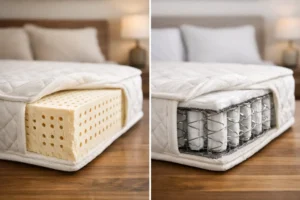
A well-built hybrid can help because the mattress is doing more than one job at once. Latex or pressure-relieving foams cushion the body. Individually pocketed coils support the spine and respond independently, which can also reduce the transfer of movement across the bed.
Couples need to think beyond firmness alone
If you share a bed, firmness becomes a two-person decision. The challenge is not just comfort. It is comfort plus motion control plus support consistency.
A hybrid that is too firm for one partner may create pressure points, while one that is too soft for the other may cause lower back strain. For many couples, medium or medium-firm works best because it sits in the center and serves a wider range of body types and positions.
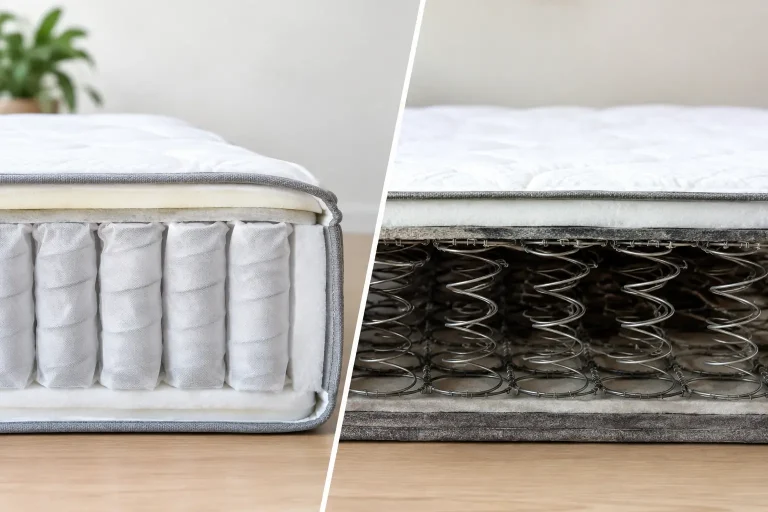
But there is another layer to this. Motion isolation matters just as much as feel. A quality hybrid with individually pocketed springs and stable comfort layers can reduce partner disturbance far better than old-style connected spring mattresses. That means you are not forced to choose between support and a quieter sleep surface.
If one of you sleeps hot, firmness also affects temperature regulation. Very soft beds can allow more sink, which traps more body heat around the sleeper. A slightly firmer hybrid often sleeps cooler because it keeps the body more lifted and allows better airflow through the coil system.
Materials change how firmness feels
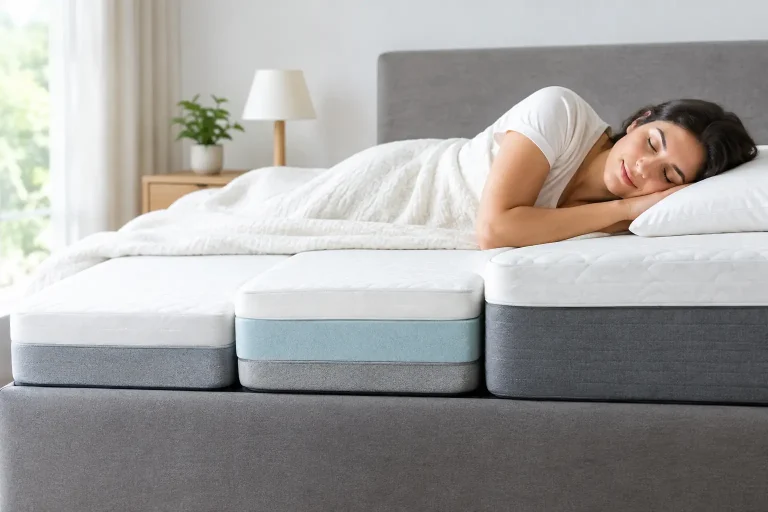
Two mattresses can both be labeled medium-firm and feel completely different. That is because firmness is shaped by the materials above and below the coil system.
Latex tends to feel buoyant and responsive. It offers pressure relief without the deep hug of memory foam, which many people prefer if they want easier movement and a more lifted sleep surface. Cooling gel foams can soften initial contact while helping disperse heat, but the feel depends on their density and thickness.
Then there is the support core. In a hybrid, pocketed coils are not just there for bounce. They are central to alignment, edge stability, and motion separation. A structured coil system can make a medium mattress feel more supportive and controlled, especially for people with joint pain or couples who do not want to feel every turn and shift.
This is why choosing firmness should never be reduced to a number on a scale. Construction matters. A mattress designed around spinal support and pressure relief will often feel better over a full night than one that simply feels soft in the first five minutes.
A simple way to narrow your choice
If you want the fastest way to decide, start with your primary sleep position and body weight, then adjust for pain and heat. Side sleepers and lighter bodies usually move softer. Back sleepers and combination sleepers often land in medium to medium-firm. Stomach sleepers and heavier bodies usually need more firmness and stronger support.
Then ask a more practical question: what problem are you trying to solve? If it is back pain, prioritize alignment. If it is shoulder pressure, give more weight to cushioning. If it is partner disturbance, look closely at pocketed coils and motion isolation. If it is overheating, avoid overly plush builds that let you sink too deeply.
This is the kind of decision that rewards honesty. Do not choose softness because it sounds luxurious. Do not choose firmness because it sounds orthopedic. Choose the level that supports your body in the position you actually sleep in.
At Azure Mattress, that is exactly how we think about hybrid design: comfort should feel good right away, but real performance shows up in the morning when your back feels steadier, your joints feel less stressed, and you are not waking up because your partner rolled over. The best firmness is not the one with the strongest marketing claim. It is the one that helps you sleep deeply, wake up clear, and trust your mattress night after night.