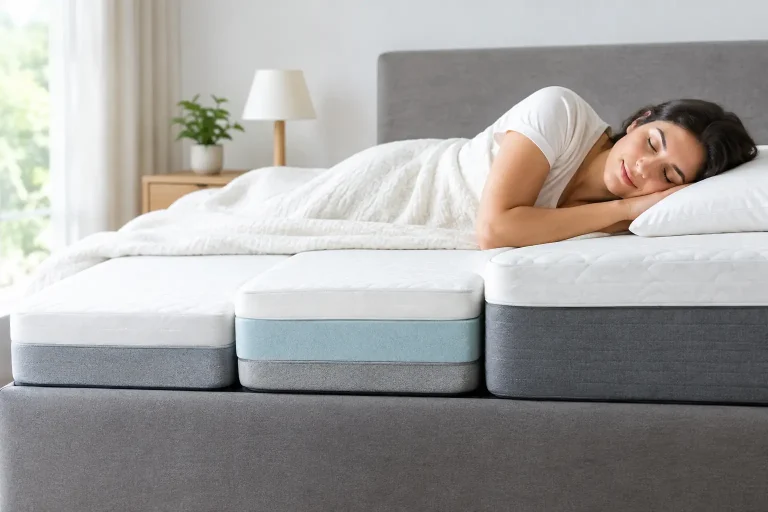
One of you falls asleep instantly. The other shifts, runs warm, and wakes up with a tight lower back. That is exactly why the best mattress features for couples are not about softness alone – they are about reducing sleep disruption while supporting two different bodies on one surface.
A mattress that works for couples has to do three jobs at once. It needs to absorb movement so one partner is not jolted awake, keep temperature under control for shared heat, and maintain enough support to protect spinal alignment night after night. If even one of those areas falls short, sleep quality usually does too.
What couples actually need from a mattress
Buying for two is different from buying for one. A solo sleeper can focus on feel and comfort preference. Couples need a mattress that performs under mixed conditions: different body weights, different sleeping positions, different temperature profiles, and different sensitivity to movement.
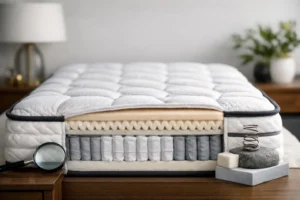
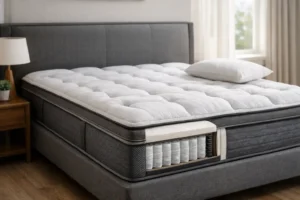
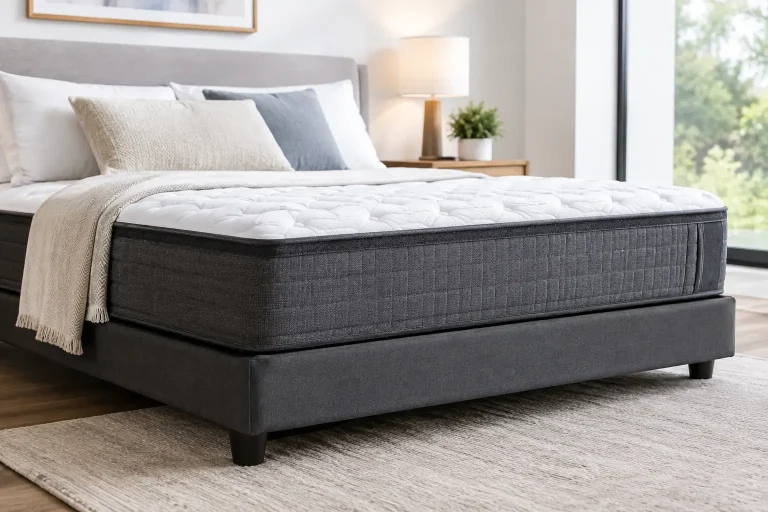
This is why the best mattress features for couples tend to come from engineered constructions rather than basic all-foam or old-style connected spring beds. A well-built hybrid often gives couples the most balanced result because it combines pressure relief, structured support, airflow, and better movement control in one design.
That does not mean every hybrid is automatically a good fit. The details matter. Coil type, foam density, latex response, edge reinforcement, and cooling materials all affect how a mattress feels and performs when two people share it every night.
Motion isolation should be at the top of the list
For most couples, motion isolation is the first make-or-break feature. If one partner gets in late, changes position often, or wakes up earlier, poor motion control turns normal movement into repeated sleep interruption.
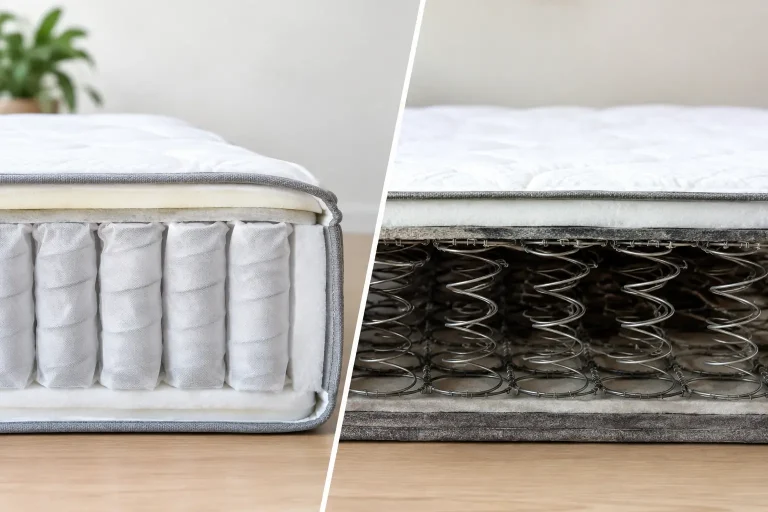
Traditional spring mattresses tend to transfer motion across the surface because the coil systems move together. That is where individually pocketed coils make a real difference. Because each spring compresses more independently, movement stays more contained instead of rippling across the bed.
Comfort layers matter here too. Latex, responsive foam, and pressure-relieving upper layers can absorb surface vibration before it reaches the other side. The goal is not to create a dead, sinking feel. It is to reduce disturbance while keeping enough responsiveness for easy movement.
If one or both sleepers are light sleepers, this feature deserves extra weight in the buying decision. A mattress can feel comfortable in a showroom or during the first few nights, but if it cannot control partner movement, that comfort tends to disappear fast.
Strong spinal support matters even more for two sleepers
Couples often focus on motion isolation first and support second. In practice, both should be evaluated together. A mattress that limits movement but lets the hips sink too deeply can leave one or both partners waking up with stiffness, shoulder pressure, or lower back pain.
The best support for couples usually comes from a structured base that keeps the spine in a more neutral position while the upper layers cushion pressure points. This is especially important when the sleepers have different body types. A mattress should not feel stable for one person and unsupportive for the other.
Look for zoned or structured support systems
Pocketed coil systems with targeted reinforcement can help maintain better alignment through the center third of the bed, where the heavier parts of the body rest. That added structure supports the hips and lower back without making the surface feel hard.
This is one reason orthopedic-focused hybrid construction appeals to couples who want practical outcomes, not vague comfort claims. Materials should work together with a clear purpose: pressure relief near the surface, stable support underneath, and enough resilience to keep the body from drifting out of alignment.
If one partner has back pain or joint discomfort, support becomes even less negotiable. The right mattress should help reduce strain, not simply feel plush for a few minutes.
Cooling is not optional when two people share a bed
Two sleepers generate more body heat. Add memory foam that traps warmth or a room that does not stay consistently cool, and overheating can become the reason both people wake up restless.
That is why cooling belongs among the best mattress features for couples. A mattress does not need to feel cold. It needs to manage heat buildup so the sleep surface stays more comfortable across the night.
Breathable layers outperform heat-trapping builds
Latex is useful here because it tends to sleep more breathable than dense traditional foams. Cooling gel foams can also help disperse heat, especially when paired with airflow-friendly construction instead of solid, heat-retentive layers.
The support core matters as much as the comfort layer. Individually pocketed coils allow air to move through the mattress more freely than dense foam blocks. That ventilation can make a noticeable difference for couples who sleep warm or live in humid climates.
If one partner is a hot sleeper, do not treat cooling as a bonus feature. Treat it as a performance requirement. It is much harder to sleep through the night when the mattress stores heat from two bodies in one space.
Pressure relief helps couples with different sleep positions
Side sleepers typically need more cushioning at the shoulders and hips. Back sleepers need balanced support that does not flatten the lower back curve. Combination sleepers need a surface that relieves pressure without making movement difficult.
That mix is common in couples. One person may prefer a slightly plusher feel while the other wants more pushback. This is where comfort layers with responsive pressure relief can help bridge the gap.
Latex and premium comfort foams are often effective because they contour enough to reduce pressure points while still feeling supportive and easy to move on. A mattress that is too firm can create soreness. A mattress that is too soft can compromise alignment. The best middle ground is usually a medium to medium-firm hybrid with thoughtful layering.
It depends on body weight too. Heavier sleepers usually need stronger support and a little more resistance to sink. Lighter sleepers often feel firmer surfaces more intensely. Couples should account for both experiences, not assume one firmness label will feel the same to each person.
Edge support makes the whole mattress usable
Couples use more of the mattress surface than solo sleepers. If the edges compress too easily, the bed can feel smaller than it is. One or both partners may start drifting toward the center or avoiding the perimeter, which reduces comfort and usable sleep space.
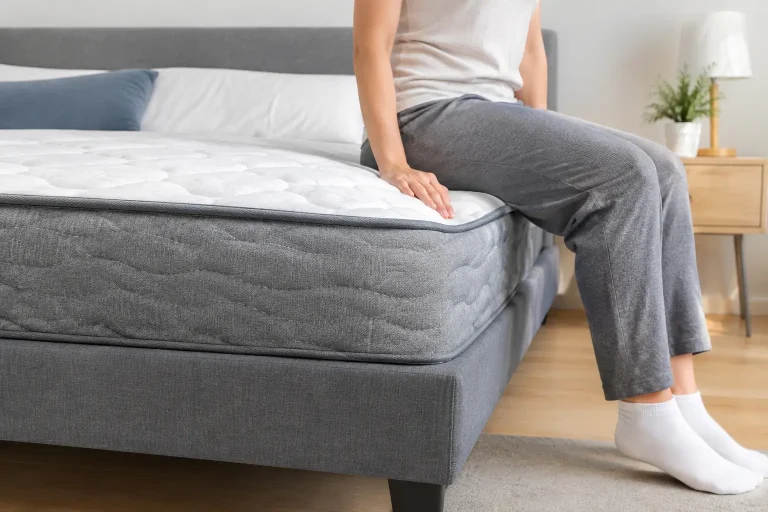
Good edge support creates a more stable perimeter for sitting, getting in and out of bed, and sleeping near the side without feeling like you might slide off. This matters even more on a queen, where every inch counts.
A reinforced coil border or stronger perimeter support system usually performs better than soft all-foam edges. It also helps the mattress maintain shape over time, which supports durability as well as comfort.
Responsiveness is underrated for shared sleep
Some mattresses isolate motion well but feel slow and restrictive. That can be a problem for couples, especially combination sleepers or anyone who changes position often. A surface that is too sink-in can make movement feel like work.
Responsive materials help the mattress recover quickly when weight shifts. That makes turning, adjusting, and getting in or out of bed easier without creating excessive bounce. The ideal balance is controlled responsiveness: enough give for comfort, enough spring-back for mobility, and not so much rebound that partner movement spreads across the bed.
This is where hybrid builds often outperform basic memory foam designs. They can deliver pressure relief and motion control without that stuck-in-the-bed feeling that some sleepers dislike.
Durability is a couple feature too
A mattress shared by two adults handles more total weight and more nightly movement. Weak materials tend to show their flaws sooner through sagging, body impressions, and reduced support.
That is why durability should be part of the conversation from the start. High-quality foams, resilient latex, and a properly engineered coil system usually hold up better than entry-level builds that rely on low-density comfort layers.
Certifications can also offer reassurance about materials quality and standards. For shoppers who want confidence in what they are sleeping on, this can help separate better-built mattresses from options that sound impressive but do not hold up over time.
How to prioritize the right features as a couple
If you and your partner have different complaints, start with the issue that causes the most frequent sleep disruption. For many couples, that is motion transfer. For others, it is overheating or waking up sore.
From there, look for a mattress that solves the main problem without creating a new one. For example, an ultra-soft bed may reduce pressure but weaken alignment. An extra-firm bed may feel supportive but increase shoulder and hip discomfort. The strongest choice is usually the one that balances motion isolation, cooling, and support instead of overcorrecting in one direction.
For couples dealing with back pain, stiffness, and partner disturbance at the same time, a well-made hybrid is often the practical answer. Brands such as Azure Mattress lean into this performance-focused approach by combining supportive pocket springs, cooling materials, and pressure-relieving comfort layers to address the problems couples actually feel at 2 a.m., not just the claims they read on a product page.
The right mattress should make shared sleep feel easier, quieter, and more restorative. If a bed can keep movement contained, heat under control, and the spine properly supported, both people have a much better chance of waking up feeling like sleep actually did its job.