You fall asleep comfortable, then wake up damp, restless, and kicking the covers off at 2 a.m. If you are searching for how to stop mattress overheating at night, the problem usually is not just your body heat. It is the entire sleep system – your mattress materials, bedding, room setup, and how well heat can escape once you settle in.
That matters more than most people realize. A mattress that traps heat does more than feel annoying. It can interrupt deep sleep, make aches feel worse, and leave you waking up tired instead of recovered. For adults already dealing with back pain, stiffness, or partner disturbance, sleeping hot often becomes the extra problem that pushes an average mattress into a bad one.
Why mattresses overheat in the first place
Heat buildup happens when your mattress absorbs body warmth faster than it can release it. Some materials are simply more prone to this. Traditional memory foam is the most common example because it contours closely and reduces airflow around your body. That close hug can feel comfortable at first, but it also creates a warmer sleep surface.
Your bedding can make the issue worse. Thick polyester sheets, heavy protectors, and dense comforters hold onto heat and moisture instead of letting them dissipate. Even if your mattress has cooling features, the layers above it can block their effect.
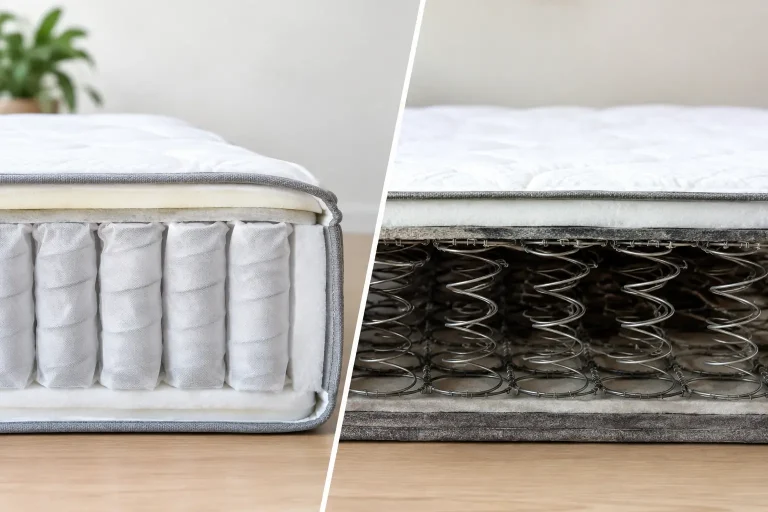
There is also the question of structure. Mattresses with solid foam cores tend to have less internal airflow than hybrid designs with pocketed coils. Coils create space for air to move through the mattress, which helps reduce heat retention through the night. That is one reason many hot sleepers feel a noticeable difference when they switch from an all-foam bed to a hybrid with breathable comfort layers.
How to stop mattress overheating at night without replacing everything
If your mattress is not old or sagging, start with the easiest fixes first. In many cases, overheating comes from a combination of smaller issues rather than one major flaw.
Begin with your sheets. Cotton percale, bamboo-derived fabrics, and breathable linen generally sleep cooler than synthetic microfiber. The goal is not a slippery “cool to the touch” feel for five minutes. The goal is steady airflow and moisture control for seven or eight hours.
Next, check your mattress protector. This layer is often the hidden culprit. Waterproof protectors with thick plastic-like membranes can trap heat even when the mattress underneath is breathable. If you need protection, choose one designed for airflow and low heat retention.
Then look at your comforter. Many people try to solve overheating by lowering the thermostat, but continue sleeping under a heavy insert that traps warmth. A lighter comforter or breathable blanket can make a bigger difference than dropping the room temperature a few degrees.
Pillows count too. If your head and neck are overheating, your whole body tends to feel warmer. A more breathable pillow with ventilated foam, latex, or moisture-wicking cover fabric can improve overall temperature comfort.
The mattress itself may be the real problem
Sometimes the answer to how to stop mattress overheating at night is simple: the mattress is built to retain heat. No amount of sheet swapping can fully correct that.
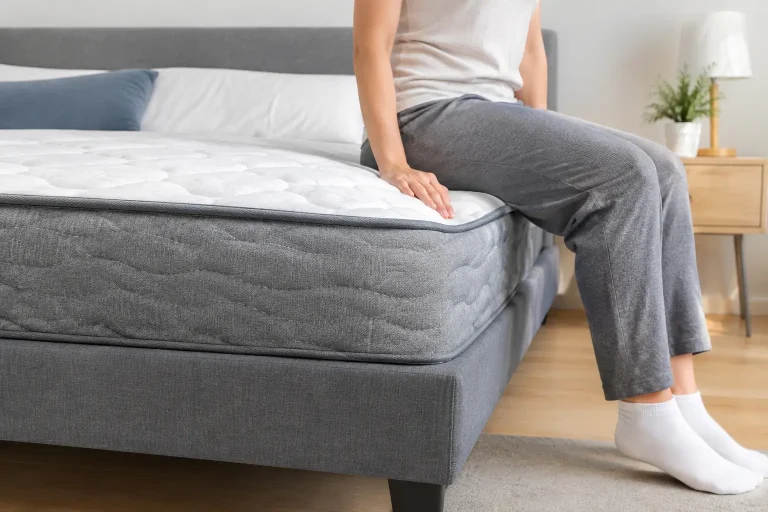
Older foam mattresses often lose resilience over time and let your body sink more deeply into the surface. The deeper you sink, the more heat gets trapped around you. That creates a pocket of warmth that becomes harder to escape from as the night goes on.
Construction matters here. Latex tends to sleep cooler than conventional memory foam because it is more responsive and less heat-retentive. Cooling gel foams can help, although performance depends on how much of the mattress uses them and whether the support core allows heat to move out. Hybrid mattresses with breathable foams or latex over individually pocketed coils usually perform better because they combine pressure relief with internal ventilation.
This is also where support and cooling overlap. If a mattress lacks proper support, your body can sink too far into the comfort layers, increasing heat retention and adding pressure to your lower back and hips. A cooler mattress is not only about temperature technology. It is also about balanced support that keeps you lifted instead of swallowed.
What to look for in a cooler mattress
If you are replacing your bed, do not stop at generic “cooling mattress” claims. That label gets used loosely. Look at the actual build.
A breathable cover is a good start, but it should not be the whole story. Surface coolness can fade quickly if the layers underneath trap heat. Better temperature regulation usually comes from a system: airflow through the core, comfort materials that do not hold excessive heat, and a support design that keeps your body properly elevated.
Pocketed coils are especially useful because they create channels for airflow while also reducing motion transfer. That matters for couples. If one partner sleeps hotter or moves around trying to cool down, the right mattress can help with both heat management and nighttime disturbance.
Natural or engineered latex is another strong option for hot sleepers who still want pressure relief. It has a more buoyant feel than memory foam, which means less sink and better air circulation around the body. Cooling gel foam can also be effective when paired with a coil support base instead of a dense foam block.
Certifications are worth paying attention to as well. Quality materials tend to perform more consistently and give buyers greater confidence in what is actually inside the mattress. For shoppers who want a practical upgrade, the right hybrid construction usually offers the strongest combination of support, cooling, and motion isolation.
Bedroom changes that support cooler sleep
Your mattress does the heavy lifting, but your room still influences results. If your bedroom holds heat, even a well-built bed can only do so much.
Keep air moving. A ceiling fan or quiet floor fan helps moisture evaporate and prevents warm air from settling around the bed. Blackout curtains can also reduce heat buildup during the day, especially in rooms with direct afternoon sun.
Humidity matters more than people think. A room that is not especially hot can still feel uncomfortable if the air is humid and your bedding cannot release moisture. If your space feels muggy, a dehumidifier may improve sleep more than lowering the thermostat alone.
It also helps to avoid heat-loading the bed before sleep. A hot shower right before bed, laptop use on the mattress, or thick lounge clothing under the covers can all raise your starting temperature. If you already sleep warm, those details add up.
When cooling and pain relief need to work together
For many adults, overheating is not the only issue. The real problem is waking up hot and sore. That is why choosing the right sleep surface matters more than chasing cooling accessories one by one.
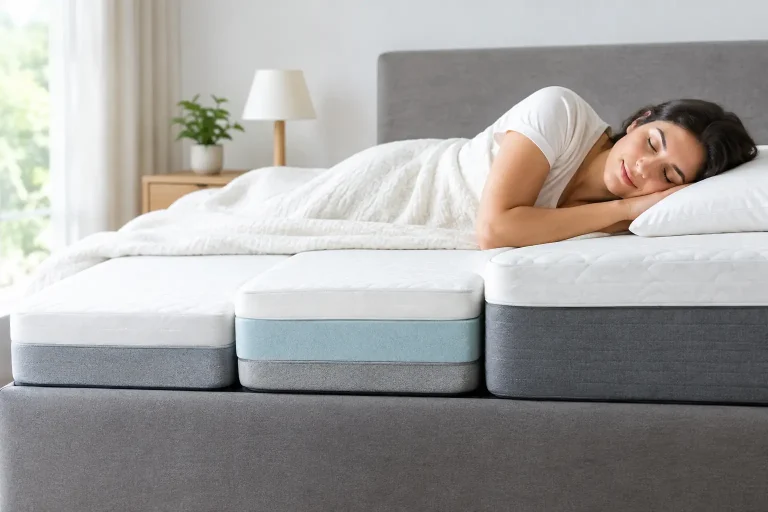
A mattress that sleeps cool but lacks spinal support can still leave you with lower back pain, shoulder pressure, or morning stiffness. On the other hand, a mattress that supports your joints well but traps heat can break your sleep cycle often enough to reduce recovery. The best results come from a design that handles both.
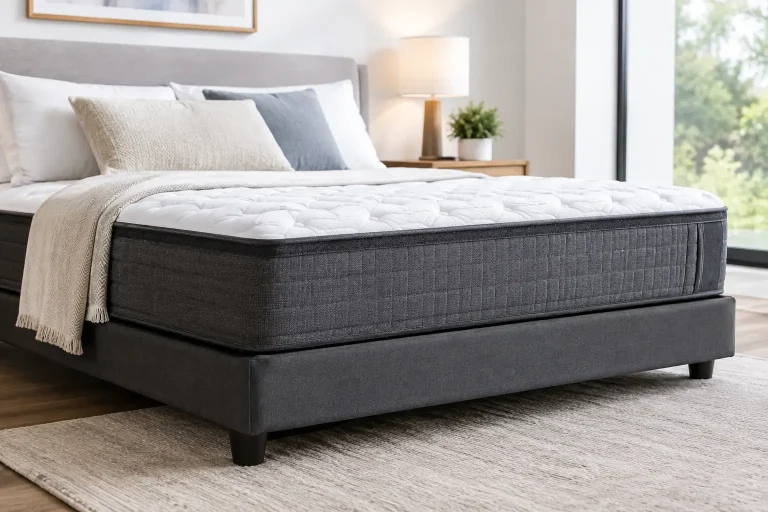
That is where a well-made hybrid stands out. It can provide airflow through pocket springs, contouring comfort from latex or cooling foams, and enough structural support to keep your spine in a healthier position through the night. Azure Mattress builds around that principle because temperature control works best when it is part of a complete sleep system, not treated as a single add-on feature.
How to tell if it is time to upgrade
If you have changed your sheets, adjusted your protector, lightened your bedding, and improved room airflow but still wake up overheated, your mattress is likely the bottleneck. The same is true if you notice body impressions, excessive sink, or heat concentrated where you lie most often.
A good mattress should help you stay asleep, not force constant adjustments. You should not need to rotate pillows, flip the blanket, or move to the edge of the bed for a cooler patch every night. Those are signs your current setup is working against you.
A cooler sleep surface is not a luxury feature for hot sleepers. It is part of sleep quality, physical recovery, and everyday comfort. When your mattress allows heat to escape, supports your body evenly, and limits partner disturbance, the difference shows up the next morning.
If your bed is holding heat night after night, do not settle for quick fixes that only mask the problem. The right sleep system should help your body rest deeply, recover properly, and wake up clear-headed instead of overheated.