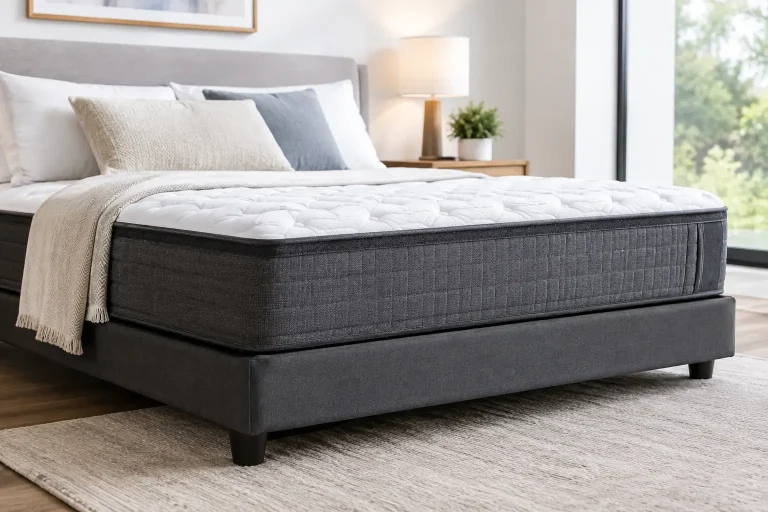
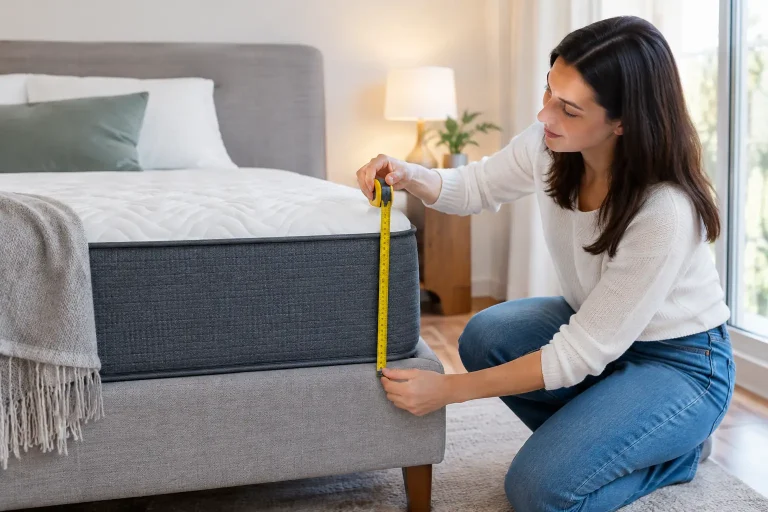
A mattress can look premium, feel comfortable for five minutes in a showroom, and still leave you wondering what is actually inside it. That is why mattress certifications explained in plain English matter. If you are shopping for better spinal support, cooler sleep, and fewer chemical concerns, the label on the law tag is not enough. Certifications help separate marketing language from measurable standards.
For most buyers, the real question is not whether a mattress has a certification. It is whether that certification tells you something useful about the parts that affect your sleep every night – the foam under your shoulders, the fabric near your face, the latex layer supporting pressure points, and the materials releasing odors when the mattress is new. Some certifications are meaningful. Some are narrow. And none of them, on their own, guarantee that a mattress will fix back pain or feel right for your body.
Mattress certifications explained: what they actually do
A certification is a third-party standard that checks whether a material or component meets specific requirements. In mattresses, that usually means testing for harmful substances, emissions, material content, or manufacturing practices. It does not usually mean the entire mattress has been proven ideal for every sleeper.
That distinction matters. A foam certification may tell you the foam was made without certain heavy metals or formaldehyde. It does not tell you whether the mattress keeps your spine aligned, isolates motion well, or sleeps cool enough for your body temperature. Those performance outcomes depend on overall construction – things like coil design, foam density, latex responsiveness, and airflow through the mattress.
The best way to read certifications is as trust signals, not final proof. They help you confirm material quality and safety standards. Then you still need to evaluate support, pressure relief, cooling, motion control, and durability.
The certifications shoppers see most often
CertiPUR-US
This is one of the most recognized foam certifications in the mattress industry. CertiPUR-US applies to flexible polyurethane foam, including many memory foam and support foam layers used in modern mattresses.
In practical terms, it means the certified foam is tested to meet standards for low emissions and is made without certain substances such as ozone depleters, specific flame retardants, mercury, lead, and formaldehyde. It also sets limits for volatile organic compounds, often shortened to VOCs.
What does that mean for you in bed? It can give you more confidence about the foam layers closest to your body and the air quality impact of those materials. That is especially relevant if you are sensitive to strong off-gassing smells. But CertiPUR-US only covers qualifying foam components. It does not certify the springs, fabric cover, adhesives, or the overall ergonomic design of the mattress.
OEKO-TEX
OEKO-TEX certifications are commonly used for textiles and certain finished materials. The label most shoppers encounter is STANDARD 100 by OEKO-TEX. This certification tests products for harmful substances and is especially relevant for covers, fabrics, and textiles that come into direct contact with skin.
If a mattress cover or fabric layer carries this certification, that is a useful sign for buyers who care about skin contact, household safety, or lower chemical exposure. It is a strong reassurance point, but again, it has a specific lane. OEKO-TEX does not mean the mattress is orthopedic, cooler than competitors, or automatically more durable.
GOLS and GOTS
These matter mainly if you are shopping for natural or organic materials. GOLS stands for Global Organic Latex Standard. GOTS stands for Global Organic Textile Standard.
GOLS is relevant when a mattress includes latex and the brand claims organic content. GOTS applies more to organic textiles, such as cotton or wool used in covers or comfort layers. These certifications can be valuable if sustainability and material sourcing are high priorities for you.
The trade-off is that organic certifications do not automatically make a mattress better for back pain, motion isolation, or cooling. A natural mattress can still feel too firm, too soft, or too warm depending on how it is built.
GREENGUARD and GREENGUARD Gold
These certifications focus on low chemical emissions. They are often used across furniture and interior products, not just mattresses. GREENGUARD Gold is the stricter standard and is often viewed as more suitable for sensitive environments.
For mattress buyers, this can be meaningful if air quality is a major concern, especially in smaller bedrooms or homes with children. Like CertiPUR-US, it helps answer a safety and emissions question. It does not answer whether the bed supports your lower back correctly or reduces partner disturbance.
What certifications do not tell you
This is where many shoppers get tripped up. Certifications can verify part of the material story, but they do not replace comfort engineering.
A certified mattress can still sag too quickly if lower-density comfort layers are used in the wrong places. A mattress with excellent material credentials can still sleep hot if the design traps heat around the hips and shoulders. And a mattress that uses cleaner foams can still transfer motion if the support core is not built for movement control.
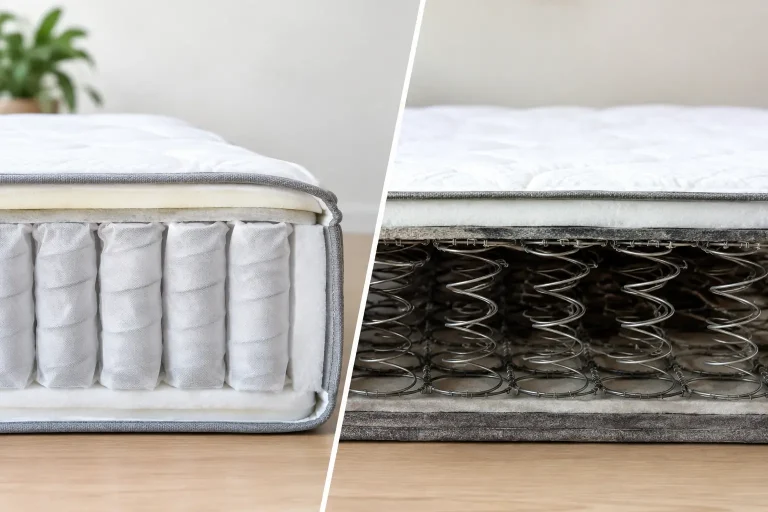
If you wake up with stiffness, your bigger concern is usually spinal alignment and pressure distribution. That comes from how the comfort layers interact with the support system. Individually pocketed coils, responsive latex, and well-balanced transition foams often matter more to your daily comfort than a badge alone.
For couples, motion isolation is another example. No certification will tell you whether your partner getting up at 2 a.m. will shake your side of the bed. That depends on the spring structure, foam response, and overall mattress architecture.
How to use certifications when comparing mattresses
The smartest approach is to treat certifications as one layer of evidence. Start by checking whether the brand clearly names the certifications instead of making vague claims like low-toxin or eco-friendly. Specific labels are stronger than broad promises.
Then look at which component is certified. Is it the foam, the cover, the latex, or the entire finished product? Brands sometimes highlight one certified material in a mattress that includes many other non-certified components. That does not make the claim false, but it does narrow what the label really covers.
Next, connect the certification to the outcome you care about. If you are worried about chemical exposure or strong new mattress odor, low-emissions certifications matter. If you are focused on cooler sleep, look beyond certifications and examine airflow channels, breathable covers, gel-infused foams, latex, and coil-based support systems that allow heat to escape. If back pain is your main issue, prioritize how the mattress is designed to keep the spine aligned under real body weight.
This is where a performance-led hybrid mattress often makes more practical sense than a mattress that only wins on label appeal. A thoughtful hybrid construction can combine pressure relief, airflow, and stable support in a way that addresses actual sleep problems, not just shopper anxiety.
Mattress certifications explained for pain relief shoppers
If you are buying a mattress because your current one leaves you sore, certifications should support your decision, not drive it. They help confirm that the materials meet recognized standards, but pain relief usually comes down to how effectively the mattress balances cushioning and support.
For example, a mattress may use certified foam and still let your hips sink too far, pulling your lower back out of alignment. Another may use certified textiles and still feel too rigid around the shoulders, creating pressure points and numbness. What you need is a construction that keeps the spine in a more neutral position while reducing peak pressure at heavier contact zones.
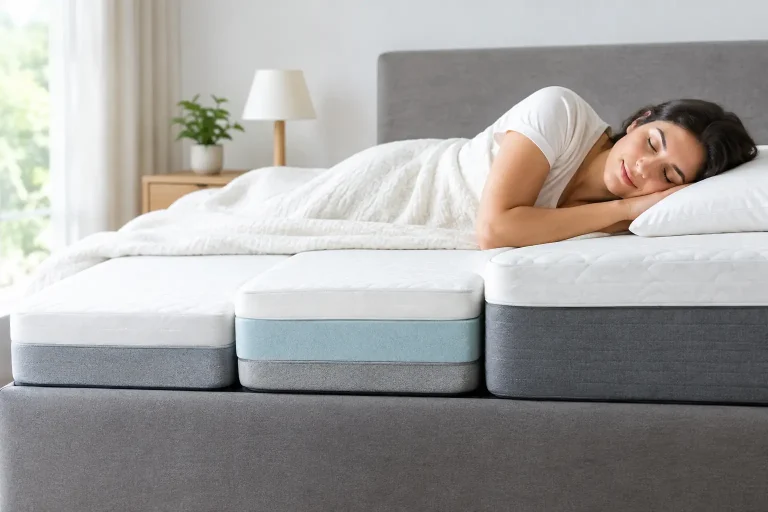
That usually means paying close attention to the full build – comfort layers, transition layers, coil count, zoned support if available, and the responsiveness of latex or high-quality foams. Brands like Azure Mattress position certifications as proof of material quality, which is useful, but the real value comes when those materials are arranged to solve the three problems buyers actually feel at night: pain, heat, and movement from a partner.
Red flags to watch for
Not every safety or quality claim is equal. If a brand mentions certifications but does not say which ones, that is a sign to look closer. The same goes for language like tested materials or premium certified foam without naming the standard.
Another red flag is when certifications are used to distract from missing product details. If you cannot find information about firmness, mattress height, support system, foam type, or return policy, a certification badge should not carry the whole sale. Buyers need both safety reassurance and performance transparency.
It also helps to be realistic. A certified mattress is not necessarily chemical-free, all-natural, or guaranteed to feel luxurious. It simply means certain standards were met in a defined area.
The simple way to think about it
If the label feels confusing, keep this filter in mind. Certifications are best for answering, Is this material verified against a recognized standard? They are not the best tool for answering, Will this mattress keep me comfortable, cool, and properly supported for the next several years?
That second answer comes from the build itself. Look for the combination of clean, tested materials and design choices that directly support better sleep – pressure relief where you need it, airflow where heat builds up, and enough motion control to keep one sleeper from disturbing the other.
When a mattress delivers both, the certification stops being a marketing sticker and starts becoming what it should be: one more reason to trust what is under the cover.