A mattress can feel excellent in the showroom or during the first month at home and still lose its edge far sooner than expected. That is why a serious hybrid mattress durability review should look past first-night comfort and focus on what happens after years of pressure, body weight, heat, and movement. If you are buying to reduce back pain, limit partner disturbance, and sleep cooler, durability is not a bonus feature. It is the difference between short-term relief and long-term support.
What a hybrid mattress durability review should actually measure
Durability is not just whether a mattress stays intact. It is whether the bed keeps doing its job. For a hybrid mattress, that job usually comes down to three performance outcomes: maintaining spinal alignment, relieving pressure without excessive sink, and controlling motion and heat night after night.
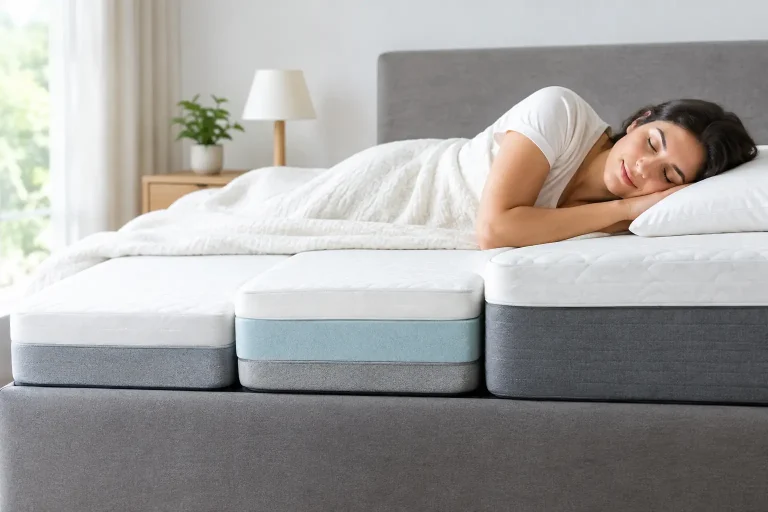
A durable hybrid should resist body impressions, hold its edge support, and keep the comfort layers from flattening too quickly. It should also keep the coil system responsive enough to support changing sleep positions. When any of those parts weaken, sleepers often notice the same pattern: more stiffness in the morning, more rolling toward the center, and more awareness of a partner getting in and out of bed.
This is where many shoppers get tripped up. They hear “hybrid” and assume it automatically means longer life than all-foam. Often it does, but not always. A poorly built hybrid can still develop sagging, soft spots, or edge collapse if the materials above and around the springs are low density or poorly matched.
The parts of a hybrid mattress that wear out first
In most hybrids, the comfort layers are the first place durability is won or lost. Springs usually get the attention because they sound structural, but the upper layers are what absorb the constant compression from shoulders, hips, and lower back.
Foam layers
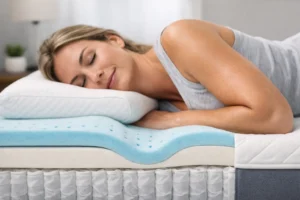
Lower-density foams tend to be the first weak link. They can feel plush and pressure-relieving early on, but over time they may soften unevenly or develop impressions where the body rests heaviest. Once that happens, the mattress may still look usable while no longer keeping the spine in a neutral position.
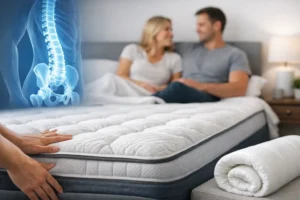
For sleepers with back pain, this matters a lot. A bed does not need a dramatic visible sag to trigger discomfort. Even subtle softening under the hips can change alignment enough to increase strain across the lower back and joints.
Latex layers
Latex generally performs better over time than standard polyurethane foams. It is naturally resilient, springs back faster, and resists permanent compression more effectively. In a hybrid build, latex can help a mattress keep its pressure relief and surface responsiveness longer, especially for combination sleepers who move often at night.
That said, not every latex hybrid is equally durable. Layer thickness, latex type, and what sits underneath all affect lifespan. Thin latex over weaker foams will not perform the same as a better-balanced design.
Pocketed coil systems
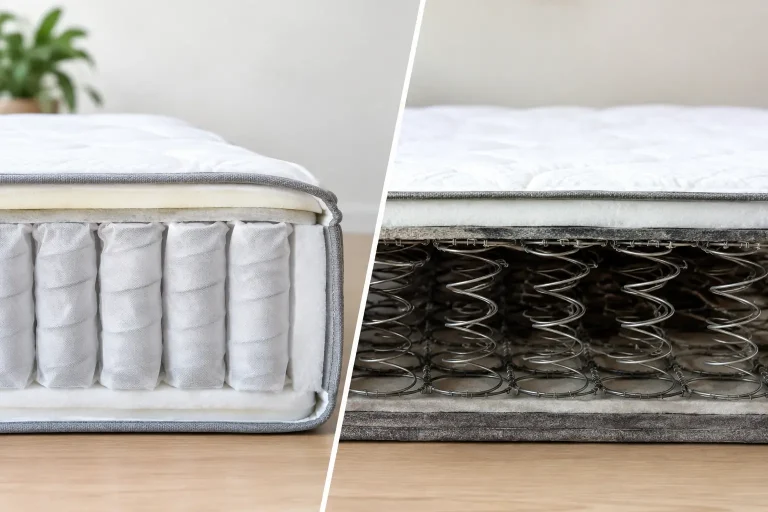
A quality pocketed coil system is one of the biggest reasons people choose hybrids. Individually wrapped coils can support the body more precisely than older connected spring units, and they usually hold structure well over time. They also help with airflow and can improve motion isolation when paired with stable comfort layers.
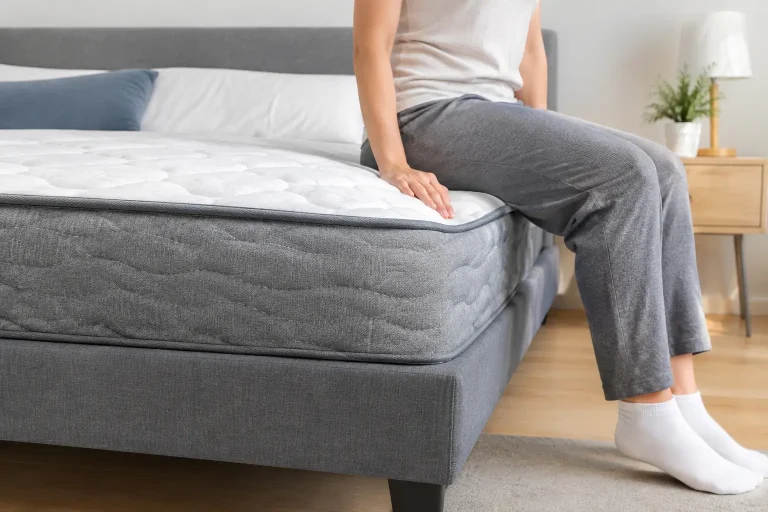
Still, coils are not immune to wear. Lower-quality steel, poor zoning design, or insufficient edge reinforcement can lead to reduced support, especially around the perimeter. If you sit on the side of the bed often or share a mattress, edge stability becomes part of the durability picture.
What usually lasts longest in a hybrid
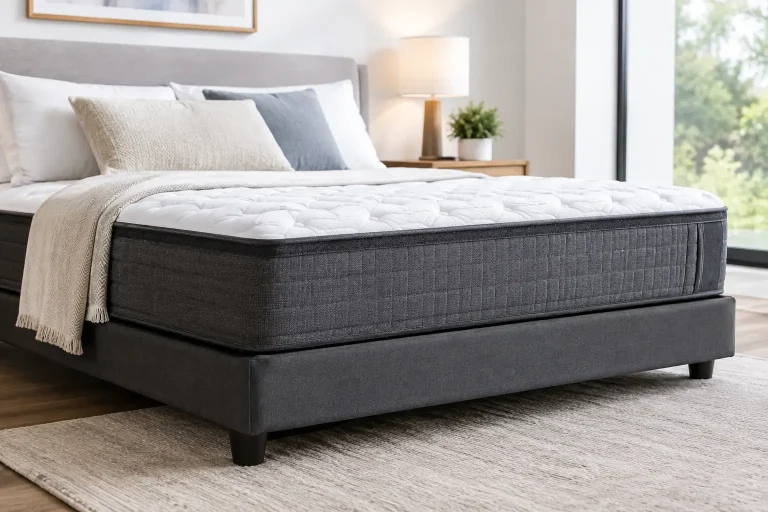
When a hybrid is built well, the most durable versions tend to combine a strong pocket spring base with resilient materials like latex and higher-quality cooling foams. This matters because durability is not just about one premium material. It is about how the layers work together under repeated stress.
A structured coil system helps distribute weight and reduce deep compression in the comfort layers. Latex or better engineered foams above those coils help the sleep surface recover faster after pressure is removed. That combination usually ages more gracefully than thick, soft foams doing too much of the support work on their own.
This is also why performance-focused brands put so much emphasis on material callouts and construction logic. Certifications like CertiPUR-US and Oeko-Tex do not guarantee durability by themselves, but they can signal more disciplined material standards. What matters most is whether the mattress is engineered to keep support, pressure relief, and cooling consistent over time.
How long should a hybrid mattress really last?
Most quality hybrid mattresses last around 7 to 10 years, with some premium builds performing well beyond that. Real lifespan depends on body weight, sleep position, usage habits, and the quality of the materials inside.
Lighter sleepers often get more years because they place less stress on the comfort layers and coils. Heavier sleepers, especially stomach and back sleepers who concentrate more force through the midsection, usually need stronger materials to avoid premature softening. Couples also put more wear on a mattress than solo sleepers, especially if one or both partners toss and turn.
If a brand claims a 15-year lifespan, treat that as possible, not automatic. It can be realistic for higher-grade hybrids with resilient layers and a well-built support core, but only if the mattress is properly matched to the sleeper and cared for correctly.
Signs a hybrid is built for durability
A good hybrid mattress durability review should pay attention to a few practical signals. First, look at the balance between support and comfort materials. If the mattress relies heavily on thick, ultra-soft foams near the top, it may feel luxurious at first but wear faster.
Second, check whether the coil system sounds engineered rather than generic. Pocketed coils with targeted support zones and reinforced edges typically indicate a more deliberate build. This is especially important for people managing back stiffness or joint discomfort, because support consistency matters more than surface softness alone.
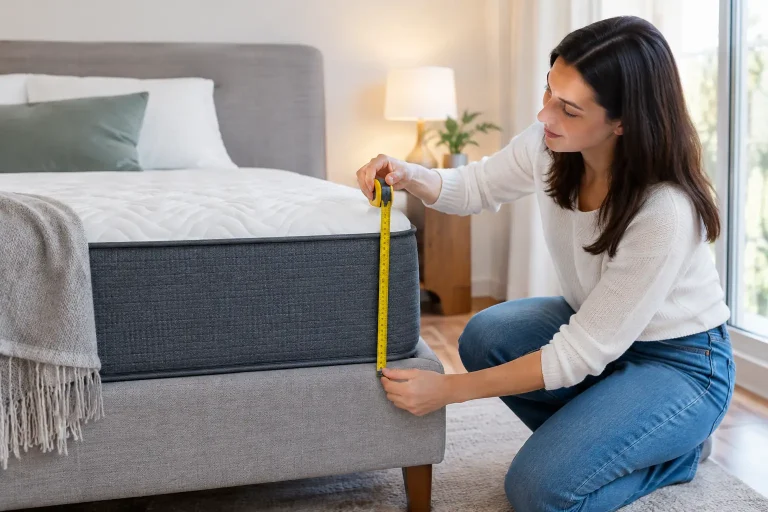
Third, consider the mattress height and layer purpose. A thicker mattress is not always better, but enough meaningful material depth usually helps distribute pressure more effectively. Thin comfort layers over aggressive coils can feel firm and stay structurally stable, but they may not offer enough pressure relief. On the other hand, very thick soft layers can compromise longevity if they are not resilient enough.
Finally, look at the warranty with a clear head. A 10-year warranty is reassuring, but warranties usually cover manufacturing defects and major sagging thresholds, not normal softening that still affects comfort. Support loss can become noticeable well before a mattress qualifies for a warranty claim.
Durability and sleep performance are tied together
A mattress does not wear out in one dramatic moment. It usually declines in performance first. That decline often shows up in the exact areas people were trying to fix when they upgraded.
For pain relief, durability means the mattress keeps the hips and shoulders from sinking out of alignment. For motion isolation, durability means the surface remains stable enough that movement does not travel more than it should. For temperature regulation, durability means the top layers still breathe and recover instead of compressing into a heat-trapping cradle.
This is why hybrid design is so appealing when executed well. It gives you the pressure relief and contouring many sleepers want, without asking soft foams to carry the full burden of long-term support. A well-built hybrid can stay comfortable and corrective at the same time, which is exactly what outcome-focused buyers are looking for.
How to make a hybrid mattress last longer
Even a strong mattress will age faster if it is unsupported or poorly maintained. A proper foundation matters. If the base sags or flexes too much, the mattress above it will wear unevenly.
Rotating the mattress a few times a year can also help distribute wear, especially in the first couple of years. A breathable protector helps guard against moisture and spills without trapping excess heat. And if one side of the bed is used much more often than the other, consistent rotation becomes even more valuable.
It also helps to be realistic about body type and firmness preference. Many early durability complaints are really mismatch problems. A mattress that is too soft for your weight may feel worn out when it is actually underbuilt for your needs from the start.
The real takeaway from any hybrid mattress durability review
The best hybrid mattress is not the one that simply survives the longest. It is the one that keeps delivering support, pressure relief, motion control, and cooler sleep for the years you actually own it. That means looking beyond marketing terms and asking a sharper question: what in this mattress is built to hold up under real nightly use?
For shoppers who want measurable sleep benefits, that answer usually points to resilient comfort layers, a well-structured pocket spring system, and construction that protects alignment instead of chasing softness alone. That is the kind of design philosophy performance-led brands like Azure Mattress lean on for a reason. When the goal is less pain, less disturbance, and better recovery, durability is not separate from comfort. It is what makes comfort worth paying for in the first place.
Before you buy, think about how you sleep after year three, not just night one. Your body will notice the difference.