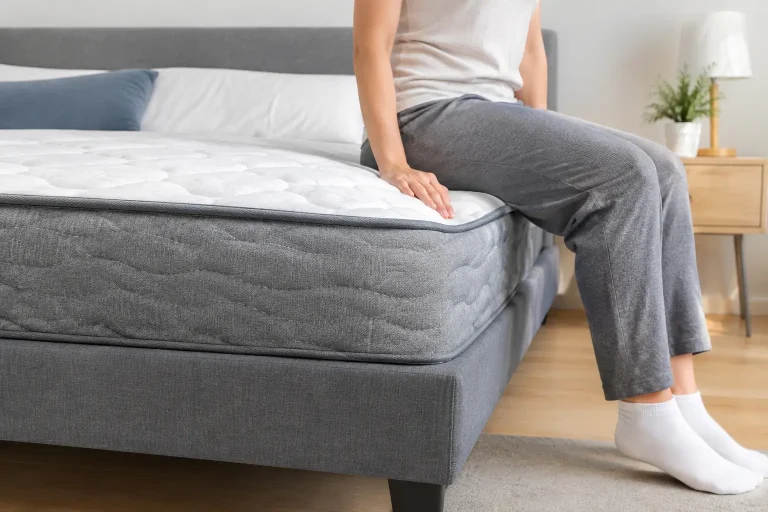
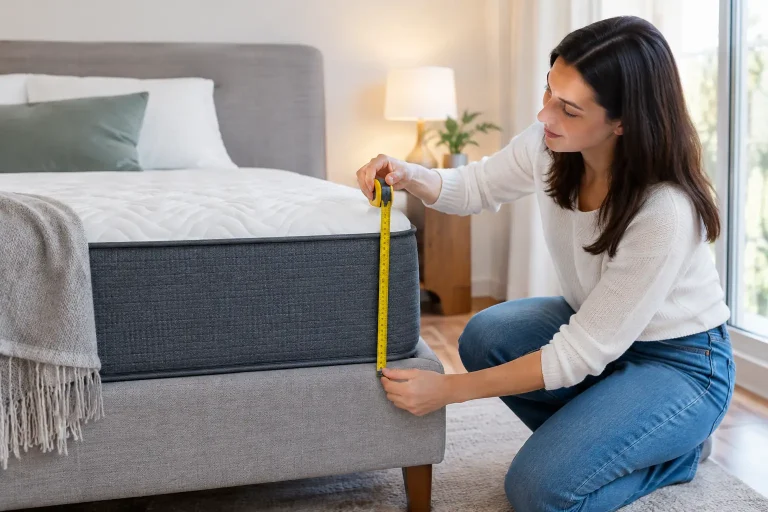
That sharp, familiar ache on the outside of your hip at 2 a.m. usually is not just about getting older or sleeping wrong for one night. More often, it is a pressure problem. If your mattress pushes too hard on the hips or lets them sink too far, your joints and lower back end up absorbing the cost for hours at a time.
A good pressure relief mattress for hip pain does two jobs at once. It cushions the hip enough to reduce pressure buildup, and it keeps the rest of your body aligned so the hip is not twisting under load. Miss either part, and the mattress can feel comfortable for ten minutes but leave you stiff by morning.
What actually causes hip pain on a mattress?
Hip pain during sleep often comes down to force concentration. Your hips are one of the body’s heaviest and widest contact points, especially if you sleep on your side. On a mattress that is too firm, that area takes too much direct pressure. On a mattress that is too soft, the hips drop lower than the shoulders and knees, which can pull the spine out of alignment and strain the joints.
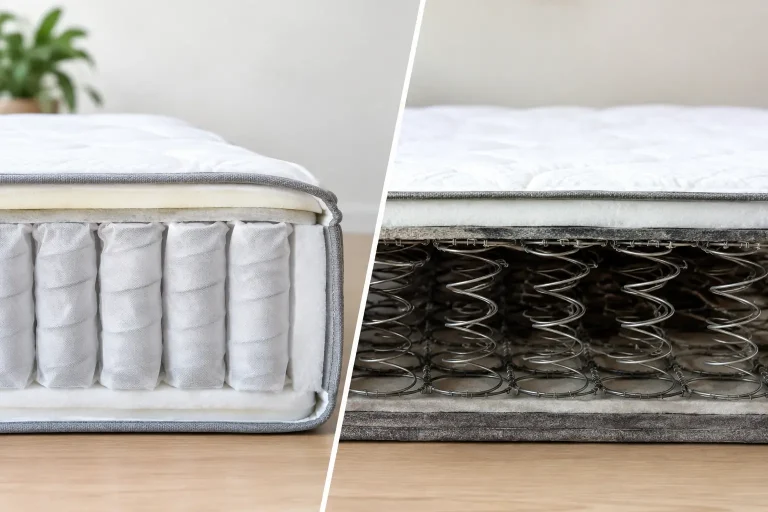
That is why people with hip discomfort often struggle with basic spring mattresses. Traditional designs can feel bouncy at first, but they tend to create uneven support and pressure points. You may feel your body resting on the mattress, but not supported by it.
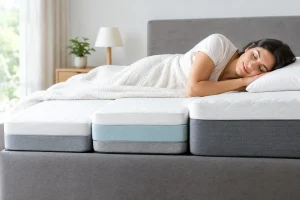
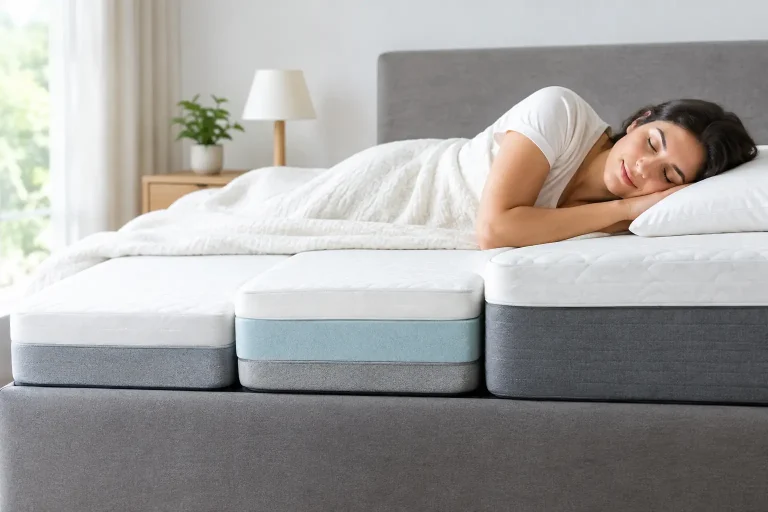
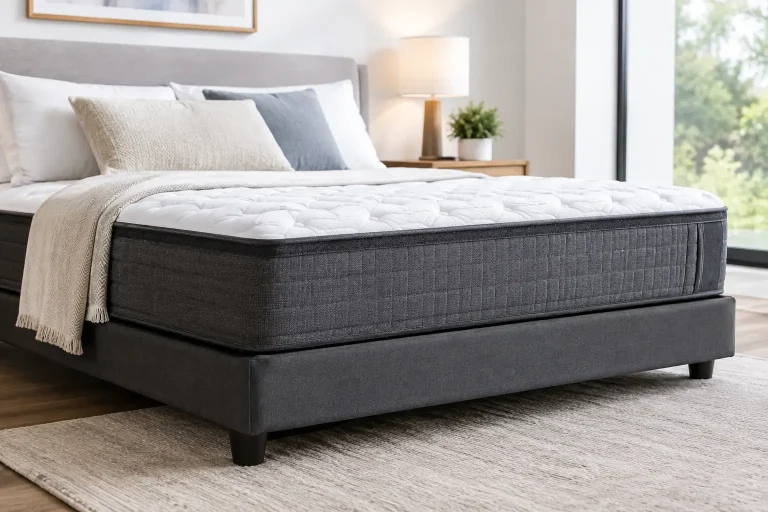
The better solution is usually a mattress built with comfort layers that absorb pressure and a support core that keeps the spine level. This is where hybrid construction stands out. When latex, cooling gel foam, and individually pocketed coils are engineered to work together, the mattress can relieve pressure without sacrificing structure.
What to look for in a pressure relief mattress for hip pain
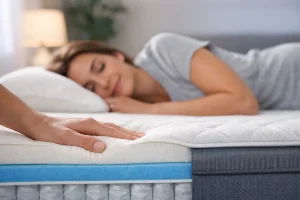
The first thing to focus on is contouring, not softness alone. Many shoppers assume the softest bed will fix hip pain, but that is not always true. Real pressure relief comes from controlled contouring. The mattress should gently adapt around the hips while still resisting excessive sink.
Latex is especially effective here because it has a responsive, buoyant feel. It compresses where you need relief, then pushes back enough to prevent that stuck feeling. Compared with low-quality memory foam, it tends to offer a more balanced combination of comfort and support. That matters if your pain gets worse when your hips collapse too deeply into the bed.
Cooling gel foam also plays an important role. It softens the initial contact surface, which helps reduce pressure around the hip area, but it should not be the only support material in the mattress. Foam alone can feel pleasant in the showroom and less impressive after a full night, particularly for adults who need stronger spinal support.
Then there is the coil system. Individually pocketed coils are not just about bounce. A well-structured spring system supports each area of the body more independently, which helps maintain alignment from shoulders to hips to lower back. It also reduces motion transfer, so if your partner shifts positions, you are less likely to tense your body in response and aggravate sore joints.
Firm, medium, or plush?
For most adults dealing with hip discomfort, medium to medium-soft is the safest starting point. That range usually gives enough surface comfort for pressure relief while still keeping the hips supported. But body weight and sleep position change the answer.
Side sleepers generally need more cushioning because the hip presses more directly into the mattress. If the surface is too firm, pain usually shows up quickly. Back sleepers often do better with a slightly firmer feel, since they need the pelvis supported without too much sagging. Stomach sleeping is usually the hardest position for hip and lower back comfort because it increases extension through the pelvis and spine.
Weight matters too. A lighter sleeper may experience a medium mattress as quite firm because they do not compress the comfort layers as deeply. A heavier sleeper may need more substantial support underneath the comfort layers to avoid bottoming out. This is why mattress feel can never be judged by firmness labels alone.
Why hybrid design tends to work better for hip pain
A well-built hybrid mattress addresses the biggest trade-off in pain relief sleep products. All-foam beds can offer good contouring, but some people find them too warm, too sinky, or too slow to respond. Traditional innerspring mattresses can feel supportive, but they often lack the pressure relief needed around the hips and shoulders.
Hybrids bridge that gap. The comfort layers manage pressure and cushioning. The pocket spring core maintains alignment and distributes weight more evenly. When the materials are chosen well, you get a mattress that feels easier on the joints without losing the stable support your spine needs.
This is also where temperature regulation matters more than many people realize. If you overheat at night, you move more. More movement often means more irritation in already sensitive joints. Materials like breathable latex, cooling gel foams, and airflow-promoting coil systems help reduce heat buildup so your body can stay settled longer.
Signs your current mattress is making hip pain worse
If your hip feels worse in the morning than it does before bed, your mattress may be contributing. The same applies if you wake up needing to change sides repeatedly, or if the discomfort improves after you get up and move around. These are common signs that the sleep surface is creating pressure points or poor alignment.
Visible sagging is another red flag, but you do not need a dramatic body impression to have a problem. Sometimes the issue is simply that the comfort layers have softened unevenly or the support core no longer holds the hips level. Even a mattress that still looks decent can be working against your joints.
If your pain is paired with lower back stiffness, that is often a clue that the hips are sinking too far relative to the rest of the body. If the pain is concentrated at the outer hip while side sleeping, surface pressure is usually the main issue.
A few features that matter more than marketing claims
Certifications matter because they help verify material quality and safety, but they should support the main performance story, not replace it. Oeko-Tex and CertiPUR-US are useful signs that the foams and textiles meet recognized standards. For many shoppers, that adds confidence, especially if they are upgrading to a premium mattress and want durability along with comfort.
Warranty and return policies matter too, but for a practical reason. Hip pain is personal. You cannot fully predict mattress fit from specs alone. A generous trial or return window lowers the risk of choosing the wrong feel, and a solid warranty suggests the construction is designed to hold up over time.
This is one reason a brand like Azure Mattress appeals to pain-focused shoppers. The design story stays centered on outcomes people can actually feel: pressure relief, spine support, cooler sleep, and low motion transfer. That is far more useful than vague claims about luxury.
Should you add a topper or replace the mattress?
It depends on what is wrong with your current bed. If the mattress is still structurally sound but feels too firm at the surface, a topper can help soften pressure points around the hips. Latex toppers are often a strong option because they add cushioning without the heavy sink that can throw off alignment.
But if your mattress already sags, feels uneven, or lacks support through the middle, a topper is usually a temporary fix. It may mask the issue for a short time while the deeper support problem remains. In that case, replacing the mattress is the better long-term move.
For adults dealing with ongoing hip pain, this matters because your body spends roughly a third of its life in bed. A mattress that keeps aggravating the joint can turn nightly rest into repeated stress. The right surface does not just feel better at bedtime. It gives your hips fewer reasons to stay inflamed by morning.
How to shop with less guesswork
Start with your sleep position, your body type, and the pattern of your pain. If you are a side sleeper with pain on the outside of the hip, prioritize pressure relief and responsive contouring. If your pain comes with lower back strain, make sure the support system is strong enough to keep your pelvis from dropping.
Look for multi-layer construction that clearly explains what each layer is doing. Comfort materials should relieve pressure. The support core should promote alignment. Cooling features should help reduce overheating and restless movement. If a mattress cannot explain how it handles all three, it may not be designed for real recovery.
And be honest about partner sleep. If someone next to you moves a lot, motion isolation is not a bonus feature. It is part of pain management. The less your body has to brace, roll, or wake up in response to movement, the better chance your hips have to settle into deeper sleep.
The best mattress for hip pain is rarely the softest or the most expensive. It is the one that spreads pressure, supports alignment, and stays comfortable for a full night instead of the first five minutes. When a mattress is built with that level of precision, better sleep stops feeling like luck and starts feeling repeatable.