Shoulder pain at night usually shows up in a familiar way. You lie down, settle in, and within minutes one shoulder starts to feel pinned, numb, or sore. If that happens often, the issue is not just your sleeping position. In many cases, the real problem is that your bed is not providing enough targeted give where the shoulder needs to sink, while still keeping the rest of your body supported. That is exactly where a pressure relief mattress for shoulders matters.
A mattress that relieves shoulder pressure is not simply soft. That is the mistake many shoppers make. They assume a plush feel will solve the problem, but too much softness can let the torso drop out of alignment and create new pain through the neck, upper back, or lower back. The better solution is balanced pressure relief – enough contouring at the shoulders, enough support through the waist and hips, and enough structure underneath to keep the spine level.
What shoulder pressure tells you about your mattress
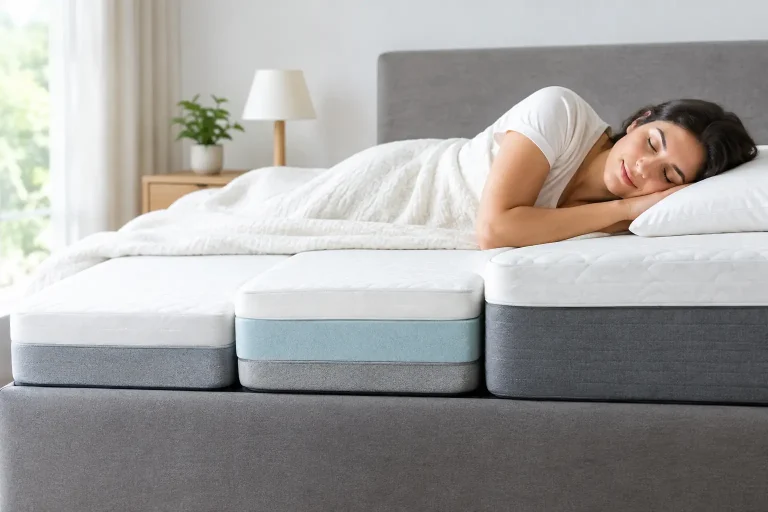
Your shoulders carry a lot of load during sleep, especially if you are a side sleeper. When the comfort layers are too firm or too thin, the shoulder cannot sink in properly. Instead of being cushioned, it takes direct force from the mattress surface. That can lead to tingling, stiffness, morning soreness, and repeated tossing from side to side.
Back sleepers can deal with shoulder tension too, although it usually feels different. Instead of sharp pressure on the outside of the joint, they often notice upper back tightness or strain around the shoulder blades. That usually points to a mattress that is not contouring enough through the upper body.
Stomach sleepers are a different case. Shoulder pressure is sometimes less obvious, but the trade-off is that overly soft beds can rotate the shoulders and overextend the neck. So the best mattress depends on more than pain alone. It depends on how your body interacts with the surface all night.
What to look for in a pressure relief mattress for shoulders
The best models combine pressure relief with orthopedic-style support. You want comfort materials that cushion the shoulder joint on contact, then a deeper support system that stops the rest of the body from collapsing into the bed.
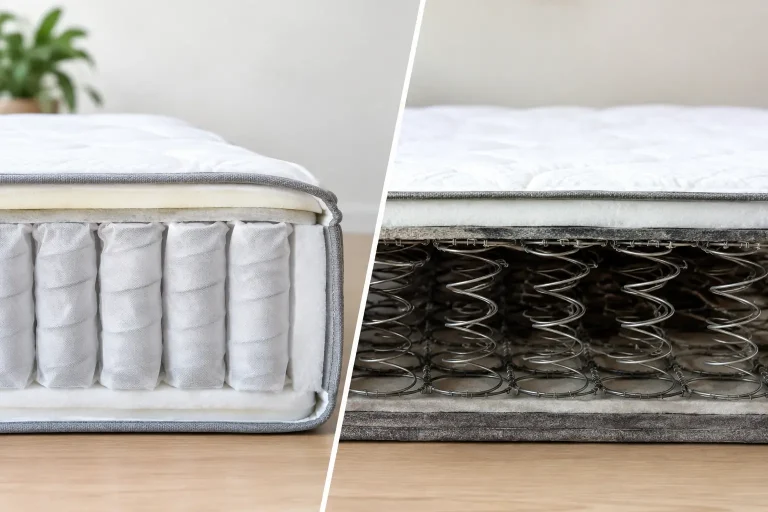
Material choice matters here. Latex is responsive and pressure-relieving without the stuck feeling some all-foam surfaces create. Cooling gel foams can help distribute weight more evenly while reducing heat buildup around the upper body. Pocketed coils add structure and keep the mattress from feeling flat or unstable. In a well-built hybrid, these layers work together instead of competing.
This is why hybrids tend to perform well for shoulder pain. They offer enough contouring at the top, but they also maintain lift underneath. That combination is especially important for adults who want pain relief without sacrificing support, motion control, or breathability.
Firmness is where most people get it wrong
If your shoulders hurt, ultra-firm is rarely the answer. A mattress with too little give increases pressure concentration and can make the joint feel compressed. But very soft mattresses are not automatically better. Once the shoulder sinks too far, the neck and spine can twist out of position.
For most side sleepers, medium to medium-soft tends to be the safest starting point. It usually offers enough cushioning at the shoulder while keeping the waist and hips supported. For back sleepers, medium to medium-firm often works better because it eases upper-body tension without letting the torso dip too much.
Body weight changes the equation. Lighter sleepers often need a softer surface to get real contouring. Heavier sleepers may need a slightly firmer build so the shoulder gets relief without the whole body dropping too deeply into the mattress.
Why shoulder relief and spinal alignment have to work together
A mattress can feel comfortable for ten minutes and still be wrong for your body by morning. The reason is alignment. If the shoulder sinks in but the mattress does not support the ribcage, waist, and hips properly, the spine bends unnaturally during the night. That can create a chain reaction of discomfort from the neck down.
The goal is straightforward. The shoulder should be cushioned enough to avoid pressure points, while the spine stays as neutral as possible. That takes layered engineering, not guesswork. Responsive comfort layers, zoned or supportive coil systems, and stable edge-to-edge construction all help create a more controlled sleep surface.
This is why performance-focused mattress design matters more than marketing words like plush or luxury. What counts is whether the bed can absorb pressure at the shoulder without compromising full-body support.
The best materials for shoulder pressure relief
Not all comfort layers behave the same way. Memory foam can reduce peak pressure well, but some sleepers dislike the slower response and heat retention. Traditional spring mattresses often feel too pushy at the surface, especially if they have minimal cushioning on top. Polyfoam can vary widely depending on density and build quality.
Latex stands out because it relieves pressure while staying buoyant. Instead of letting the body sink in too far, it gently contours and pushes back just enough to keep movement easy. That can be a major advantage for people who switch sides often or wake up with shoulder stiffness from feeling trapped in the bed.
Cooling gel foams are useful when shoulder pain is paired with overheating. Heat makes sleep more restless, and restless sleep often means more repositioning onto already sensitive joints. A mattress that sleeps cooler can indirectly improve shoulder comfort simply by reducing the need to toss and turn.
Pocketed coils matter too. Individually wrapped springs respond more precisely than old connected coil systems. They help the mattress adapt to different parts of the body without creating a hard, uniform push upward. For couples, they also help reduce motion transfer, which is important if partner movement keeps pulling you out of a comfortable shoulder position.
Sleep position changes what the right mattress feels like
If you sleep mostly on your side, your shoulders need the most direct pressure relief. A mattress that feels slightly plusher on top with steady support underneath will usually perform best. Too firm, and the shoulder jams into the surface. Too soft, and the whole upper body slants downward.
If you sleep on your back, the shoulder issue may be more about contour than pressure. You need enough cushioning to prevent tension around the upper back and shoulder blades, but you still want a flatter, more stable feel than most side sleepers prefer.
If you rotate between side and back sleeping, a medium hybrid is often the most practical fit. It offers enough adaptability to handle both positions without overcommitting to one extreme feel.
When a topper helps and when it does not
If your mattress is still supportive but feels too hard at the surface, a topper can sometimes improve shoulder comfort. This works best when the underlying mattress is in good shape and the problem is limited to surface pressure.
But a topper will not fix a mattress that is sagging, uneven, or lacking deep support. In that case, adding softness can actually make alignment worse. If your shoulder pain comes with low back pain, visible dips, or a feeling that you are rolling into the center, the mattress itself is likely the problem.
Signs you found the right fit
A good mattress for shoulder pressure relief usually feels noticeable within the first few nights. You should be able to lie on your side longer without numbness or sharp pressure. You should also wake up with less stiffness through the shoulder, neck, and upper back.
There are other good signs too. You change positions less often. You do not feel your partner moving every time they turn. You stay cooler through the night. These details matter because shoulder pain rarely exists in isolation. Sleep quality improves fastest when pressure relief, support, motion isolation, and temperature control are working together.
For that reason, a well-built hybrid often gives the most complete result. Azure Mattress, for example, centers its design around pressure relief, spinal support, and cooling performance – which is exactly the combination shoulder-sensitive sleepers usually need.
How to shop without guessing
Start with your primary sleep position, then assess your body type and current pain pattern. If the pain is concentrated on the outside of the shoulder, you likely need more contouring. If the pain comes with neck or low back discomfort, you may need a better balance of relief and support rather than just a softer surface.
Pay close attention to mattress construction, not just firmness labels. A medium hybrid with latex, cooling foam, and individually pocketed coils can feel very different from a medium all-foam bed with lower-density materials. Certifications, material quality, and durable support layers also matter because a mattress that softens too quickly can bring the pressure problem right back.
Shoulder pain can make every night feel longer than it should. The good news is that the fix is often more precise than people expect. When your mattress cushions the shoulder correctly, supports the spine consistently, and stays cool and stable through the night, sleep stops feeling like recovery work and starts feeling restorative again.