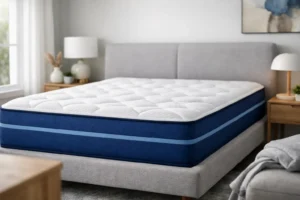
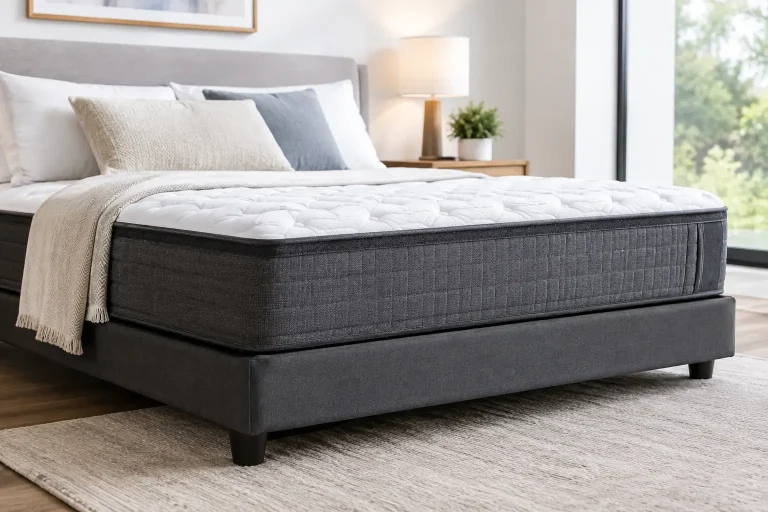
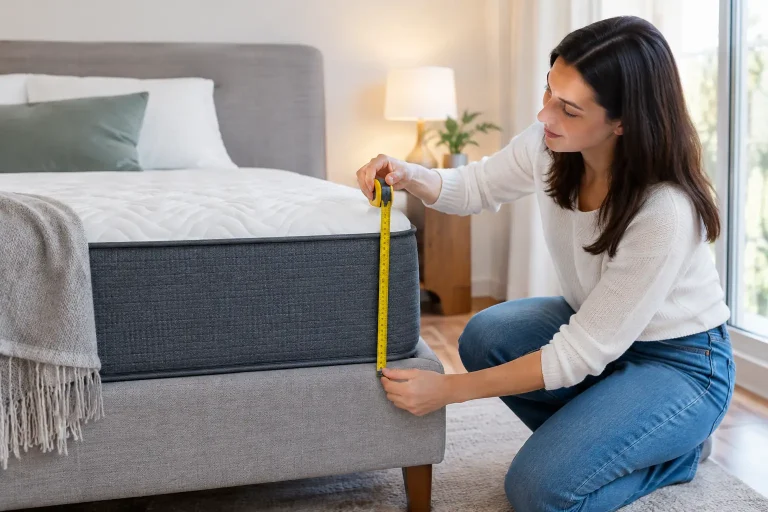
You do not need a “cooling mattress” label to sleep cooler. What matters is what is actually inside the bed, how those layers handle body heat, and whether the construction helps air move instead of trapping warmth around your shoulders, hips, and lower back. That is where this guide to mattress cooling materials becomes useful. The right materials can reduce overheating, limit sweaty wake-ups, and still give you the support your spine needs.
A lot of buyers make the same mistake – they focus on one cooling feature and ignore the rest of the build. A mattress might use cooling gel foam, for example, but still sleep warm if the comfort layers are too dense or the core does not allow enough airflow. Cooling is rarely about one miracle material. It is usually the result of several layers working together.
What mattress cooling really depends on
Heat builds up when your mattress absorbs body warmth faster than it can release it. That problem gets worse when the materials are dense, closed-cell, or heavily contouring without enough room for airflow. Sleep position, body type, room temperature, and bedding also matter, but the mattress itself does a lot of the work.
A cooler mattress usually does three things well. It disperses heat instead of storing it, allows air to circulate through the core, and reduces the feeling of being swallowed by the surface. That last point is often overlooked. Deep sink can feel soft at first, but it can also create a warmer sleep pocket around the body.
Guide to mattress cooling materials: what each one does
Not all cooling materials behave the same way. Some pull heat away briefly. Others improve airflow over the full night. The best choice depends on whether you sleep slightly warm, consistently hot, or wake up sweating and uncomfortable.
Cooling gel foam
Cooling gel foam is one of the most common materials in modern mattresses. The gel is added to foam to help absorb and disperse heat more effectively than standard memory foam alone. In practical terms, it can make the surface feel cooler when you first lie down and can reduce some of the heat retention that traditional foam is known for.
The trade-off is that gel foam is still foam. If the layer is very thick or paired with dense support foam underneath, it may still sleep warmer than more breathable materials. It works best as part of a broader cooling design rather than as the only temperature-control feature.
For shoppers who like pressure relief but do not want the classic “stuck” memory foam feel, gel-infused foams can be a solid middle ground. You get contouring around the joints, but with better temperature control than older all-foam designs.
Latex
Latex is one of the strongest materials for cooler sleep because it is naturally more breathable and responsive than memory foam. It does not hug the body in the same deep way, which means less heat gets trapped close to the skin. Many latex layers also include pinhole designs that allow air to move through the material more easily.
This is why latex often appeals to sleepers who want pressure relief without overheating. It has a buoyant feel, which keeps the body more lifted on the mattress rather than deeply cradled in it. That can be especially helpful for combination sleepers and people with back discomfort who need comfort but also stable support.
The main consideration is feel. Latex is springier and more responsive than memory foam, so it will not suit someone who wants a slow, sinking sensation. But if cool sleep and easier movement matter more, latex is often the better performer.
Pocketed coils
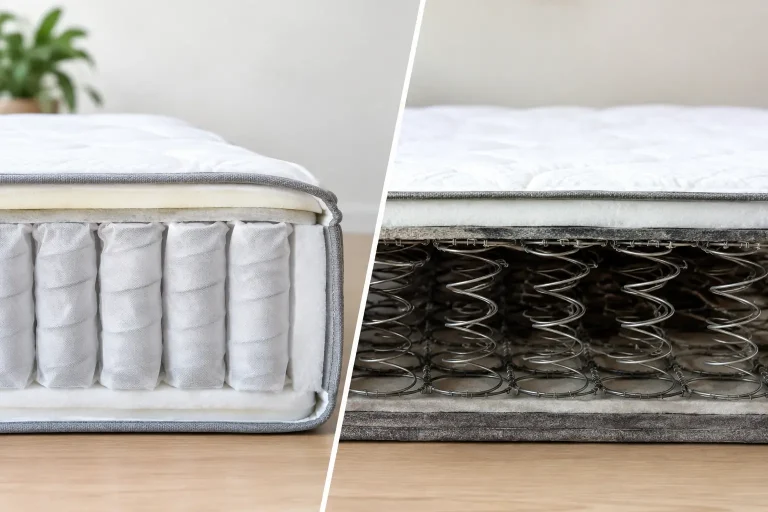
Pocketed coils are one of the most effective cooling components in any mattress because they create open space inside the bed. Unlike thick foam cores, a coil system allows air to circulate through the center of the mattress, helping heat escape instead of collecting under the body.
This is one reason hybrid mattresses tend to sleep cooler than many all-foam models. The coil unit improves ventilation while also supporting spinal alignment and reducing excess sink. For couples, individually pocketed springs add another advantage – they limit motion transfer better than older connected spring systems while still keeping the bed breathable.
If you sleep hot and also need better back support, coils do more than just cool. They help maintain structure across the mattress, which can reduce the kind of sagging that puts extra pressure on the hips and lower back.
Phase change materials and cooling covers
Some mattresses use phase change materials in the cover or top layer. These are designed to absorb and release heat in order to maintain a more consistent surface temperature. They can create a noticeably cool-to-the-touch feel at first contact, which many hot sleepers enjoy.
Covers made with breathable performance fabrics can also help. The key is whether the cover simply feels cool for a few minutes or actually helps the mattress regulate heat over the course of the night. A cool-touch cover can be a nice bonus, but it should not distract from what is happening deeper in the mattress.
Think of the cover as the first line of defense, not the whole cooling strategy.
Open-cell and perforated foams
Open-cell foam is engineered to allow more air movement than conventional foam. Perforations can further improve breathability by creating channels for heat to escape. These design choices matter because standard foam tends to hold warmth, especially under heavier parts of the body.
Still, open-cell construction improves foam performance rather than changing its nature completely. It may sleep cooler than basic foam, but usually not as cool as a mattress that combines breathable foams with latex or coils.
Why hybrid construction usually wins for hot sleepers
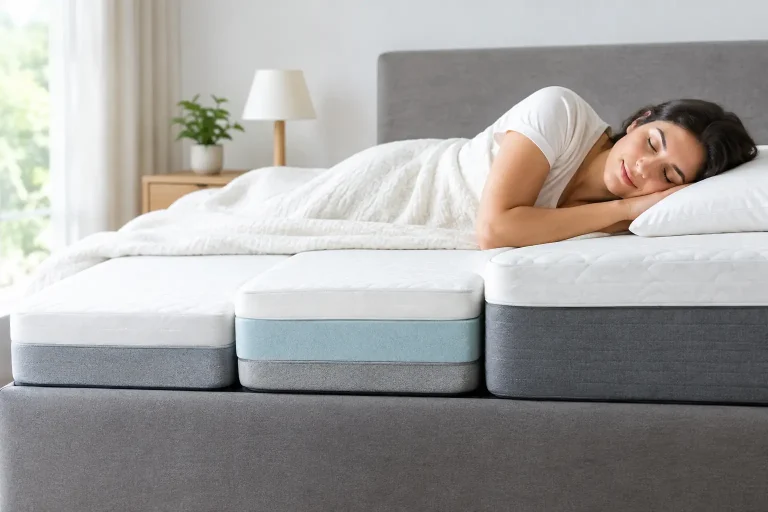
When people want relief from overheating without giving up support, hybrid mattresses often make the most sense. They combine breathable comfort materials like latex or cooling gel foam with a coil support core that promotes airflow. That balance is hard to achieve with a simple all-foam build.
A well-designed hybrid can also solve more than one problem at once. You get cooler sleep, stronger spinal support, and better motion isolation than a traditional spring mattress. For adults dealing with stiffness, back pain, or restless sleep from a partner moving around, that combination is more useful than a mattress that is only focused on temperature.
Azure Mattress leans into that approach for a reason. Cooling works better when it is integrated into the whole sleep system, not treated like a single marketing add-on.
How to read cooling claims without getting misled
Cooling language is everywhere, and not all of it means much. If a mattress advertises itself as cooling, look past the headline and ask what materials are doing the work.
If the answer is only a cool-touch fabric, be cautious. That feature can feel pleasant at first but may not improve heat regulation for the full night. If the mattress includes gel foam, latex, perforated layers, and pocketed coils, the cooling story is much stronger because the materials support each other.
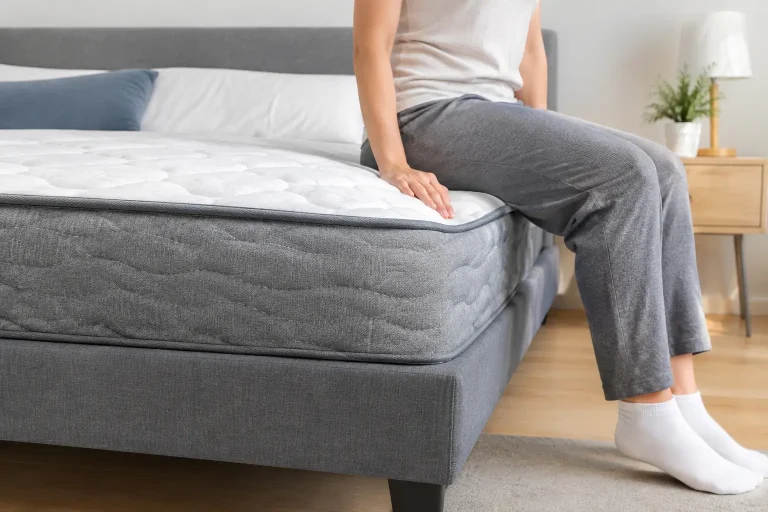
It also helps to consider thickness and firmness. Very plush mattresses can sleep warmer because your body sinks deeper into the comfort layers. A medium or medium-firm feel often keeps you more supported on top of the mattress, which can improve airflow around the body.
Choosing the right cooling materials for your sleep style
If you sleep mildly warm and want a softer feel, gel-infused or open-cell comfort foam may be enough, especially if the mattress also includes a breathable cover. If you sleep consistently hot, latex and pocketed coils are usually the safer choice because they provide better long-term airflow.
Side sleepers often need more pressure relief around the shoulders and hips, so cooling foam or latex in the top layers can help. Back and stomach sleepers usually benefit from a more supportive, less sink-heavy build, which can naturally sleep cooler. Couples should pay special attention to hybrids with individually pocketed coils since those can combine airflow with reduced partner disturbance.
There is also a durability angle. Softer, lower-density foams may feel comfortable early on but can break down faster, which affects support and airflow over time. Better materials tend to keep their structure longer, and that consistency matters if you want your mattress to stay cool and supportive beyond the first few months.
The best cooling mattress is not the one with the loudest claim. It is the one built with materials that manage heat, support alignment, and match the way you actually sleep. If you tend to wake up hot, sore, or both, look for a mattress that uses cooling as part of a bigger performance system. Better sleep usually starts there – with materials doing their job quietly, night after night.