If you wake up sweaty at 3 a.m., the mattress is not a small detail. It is often the reason sleep feels interrupted, shallow, and less restorative than it should. So, do hybrid mattresses sleep cooler than foam? In many cases, yes – but the real answer depends on how the mattress is built, what materials are used, and how much heat your body naturally gives off at night.
A lot of shoppers assume “foam” always means hot and “hybrid” always means cool. That is too simplistic. Some all-foam mattresses trap noticeable heat, especially dense memory foam designs with minimal airflow. But some hybrids also sleep warmer than expected if they rely on thick comfort foams without enough breathable materials near the surface. Construction matters more than the label.
Do hybrid mattresses sleep cooler than foam in real use?
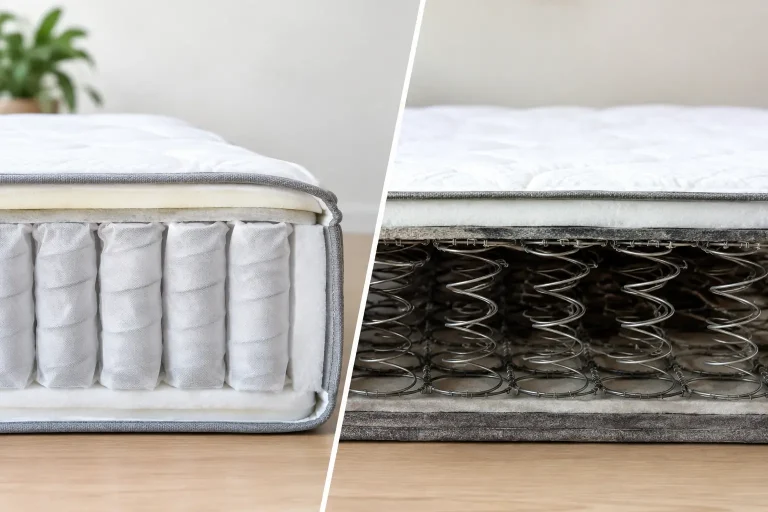
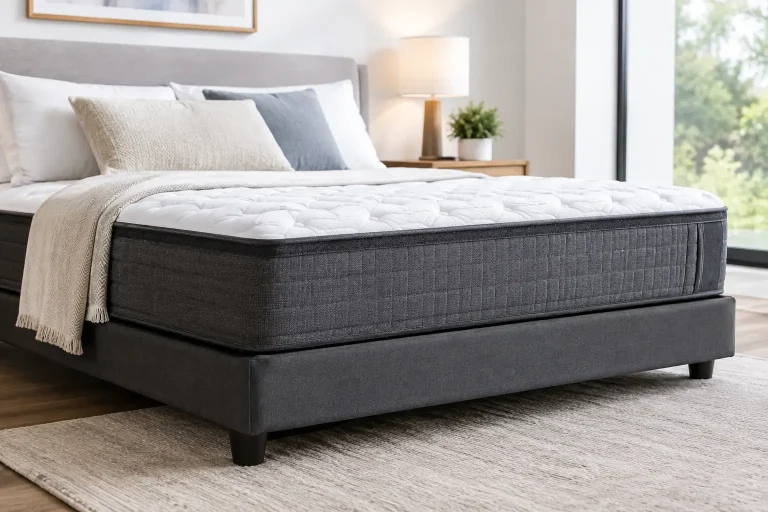
Most hybrids have a built-in advantage because they use a coil support core instead of a solid foam base. Pocketed springs create open space inside the mattress, and that space helps air circulate more freely. When warm air has somewhere to move, it is less likely to stay trapped around your body through the night.
By comparison, many all-foam mattresses use multiple dense layers stacked tightly together. Foam can contour very well and relieve pressure, but it also tends to hold more body heat, especially when the sleeper sinks in deeply. That close cradle can feel comfortable at first, then noticeably warmer after a few hours.
This is why hot sleepers often report better temperature regulation on a well-designed hybrid. You get support and pressure relief from the comfort layers, but the spring system underneath helps the mattress breathe. For people dealing with overheating, that difference can be meaningful rather than subtle.
Why coils usually help with cooler sleep
Temperature control is not just about the top cover feeling cool to the touch. It is about how the entire mattress handles heat over the course of the night. Coils help in three ways.
First, they improve airflow. Instead of a dense foam block, a hybrid has a support core with open channels between springs. Air can move through that structure more easily, which helps heat dissipate instead of building up under your torso and hips.
Second, coils reduce how deeply many sleepers sink into the mattress. Less sink can mean less body contact with heat-holding foam. That matters because heat retention often increases when the mattress hugs the body too closely.
Third, pocketed springs can support alignment without relying on extremely thick comfort layers. That is especially useful for adults shopping for pain relief. You can get cushioning at the shoulders and hips while keeping the spine more level, which helps reduce the “stuck in the bed” feeling that can make warm sleepers uncomfortable.
Foam is not one material
The question gets more nuanced once you stop treating foam as a single category. Traditional memory foam, gel-infused foam, open-cell foam, and latex all behave differently.
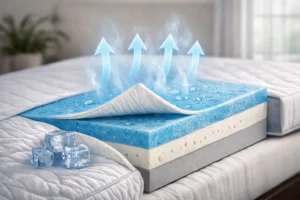
Traditional memory foam is usually the warmest option because it is dense, slow-moving, and highly conforming. It excels at pressure relief and motion absorption, but it can also hold onto heat. Some sleepers love that body-hugging feel. Others find it stuffy, especially in warm climates or if they already sleep hot.
Gel-infused foam is designed to reduce heat buildup, and it can help to a degree. But gel alone does not turn a warm mattress into a cool one. If the mattress still has thick, dense foam layers and limited airflow, heat can still accumulate over time.
Latex tends to perform better for temperature regulation. It is more breathable, more responsive, and generally does not contour as deeply as memory foam. That combination can create a cooler, buoyant feel. In a hybrid mattress, latex paired with coils is often one of the stronger setups for sleepers who want both pressure relief and better airflow.
Do hybrid mattresses sleep cooler than foam for every sleeper?
Not automatically. Body type, sleep position, room temperature, bedding, and even your mattress protector all affect how warm the bed feels.
A lighter sleeper who rests mostly on their back may do fine on an all-foam mattress with breathable top layers. They are not sinking as deeply, so heat buildup may be limited. A heavier sleeper, side sleeper, or someone with naturally higher body heat is more likely to notice the difference between foam and hybrid construction.
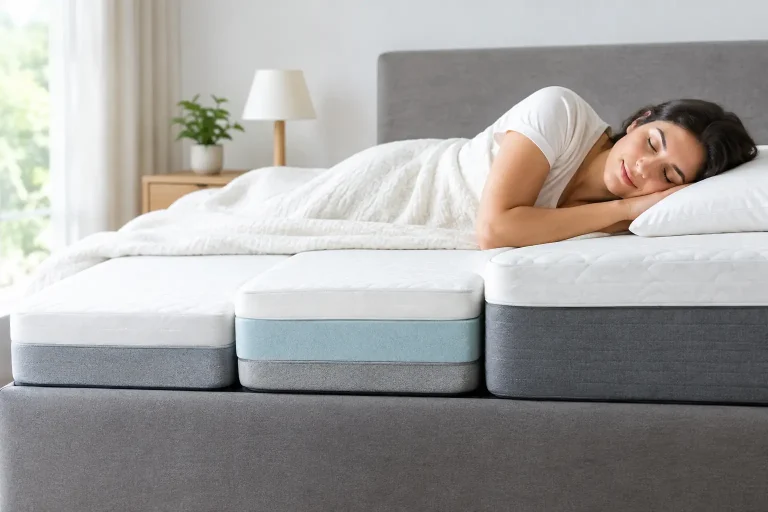
Couples also tend to benefit from a cooler mattress design because two bodies generate more heat than one. If one partner sleeps warm and the other likes a softer feel, a hybrid can be a smart middle ground. It can offer contouring comfort without turning the bed into a heat trap.
This is also where material quality matters. A cheap hybrid with basic foams may still sleep warmer than a premium foam mattress engineered with better airflow. Shoppers who care about overheating should look past category labels and examine the layers.
What to look for in a cooler hybrid mattress
If cooler sleep is a priority, the most effective hybrid designs usually combine three elements: breathable comfort materials, a coil support core, and a cover that does not block airflow.
Latex is a strong comfort-layer choice because it stays more breathable and responsive than traditional memory foam. Cooling gel foams can also help, especially when they are used in moderation rather than stacked in thick layers. The coil unit should be made with individually pocketed springs, which support motion isolation while still allowing internal airflow.
The cover matters more than many shoppers realize. A breathable knit or cooling-touch fabric can improve surface comfort, but it works best when the layers underneath are also designed to release heat. A cool cover over heat-trapping foam is not enough.
For buyers focused on recovery, back support, and less overheating, this is where a performance-oriented hybrid stands out. At Azure Mattress, for example, the hybrid approach is built around pressure relief, spinal alignment, and temperature regulation together – not as separate features competing with each other.
The trade-off: foam can win in some areas
Even if hybrids often sleep cooler, all-foam mattresses still have clear strengths. They usually absorb motion exceptionally well, and they can provide a more enveloping pressure-relief feel. Some sleepers with sharp pressure points at the shoulders or hips simply prefer the closer contour of foam.
There is also a quieter, more uniform feel to all-foam construction. People who do not sleep hot and want that deep, slow-response cushioning may find it more comfortable than a hybrid.
The key is understanding what you are prioritizing. If your main complaint is overheating, a hybrid is often the safer bet. If your main complaint is pressure pain and you rarely feel warm at night, a carefully chosen foam mattress may still be the better fit.
How support affects temperature more than people expect
One overlooked factor is spinal support. A mattress that lets your midsection sink too far can increase body contact and make the bed feel warmer. When your body settles into a deeper pocket, airflow around the torso drops and heat tends to build.
A supportive hybrid can help keep the body more neutrally aligned, especially through the lumbar area. That does two things at once: it can reduce morning stiffness and create a more lifted sleep surface that feels less smothering. For adults dealing with back pain, that balance is a major reason hybrids continue to gain attention.
This is especially true for combination sleepers who shift positions through the night. A responsive hybrid tends to make movement easier, which helps prevent the “stuck” sensation that some people notice on softer foam beds. Easier movement can also make the sleep environment feel less warm and more comfortable overall.
So which one should you buy?
If you sleep hot, share a bed, or want a mattress that balances cooling, pressure relief, and orthopedic-style support, a hybrid is usually the stronger choice. The coil system improves airflow, and the right comfort layers can still provide the cushioning your joints need.
If you prefer a deeper cradle and rarely overheat, foam may still work well – especially if it uses breathable materials and a lighter-touch design. But if you have been disappointed by warm, sink-heavy mattresses before, moving to a hybrid often feels like a practical upgrade rather than a dramatic risk.
The best mattress is not the one with the loudest cooling claim. It is the one with materials that make sense together: breathable surface layers, real internal airflow, stable support, and enough pressure relief to help your body recover overnight.
A cooler bed should not force you to choose between comfort and support. When the construction is right, you can have both – and that is usually when sleep starts feeling peaceful again.