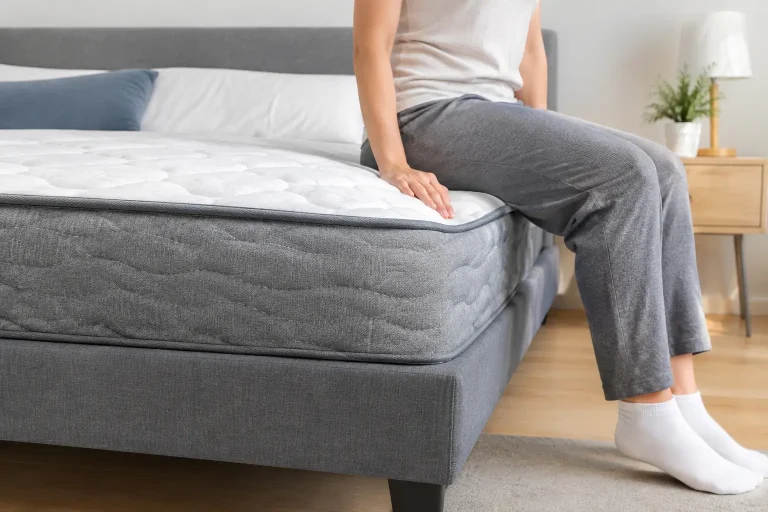
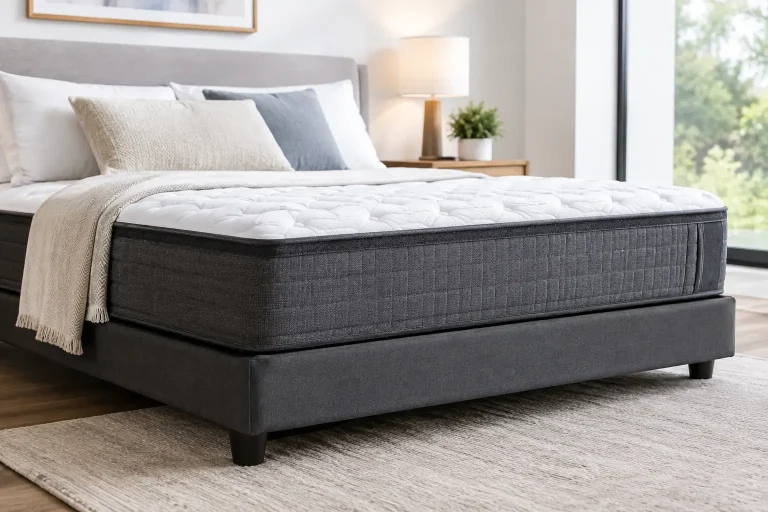
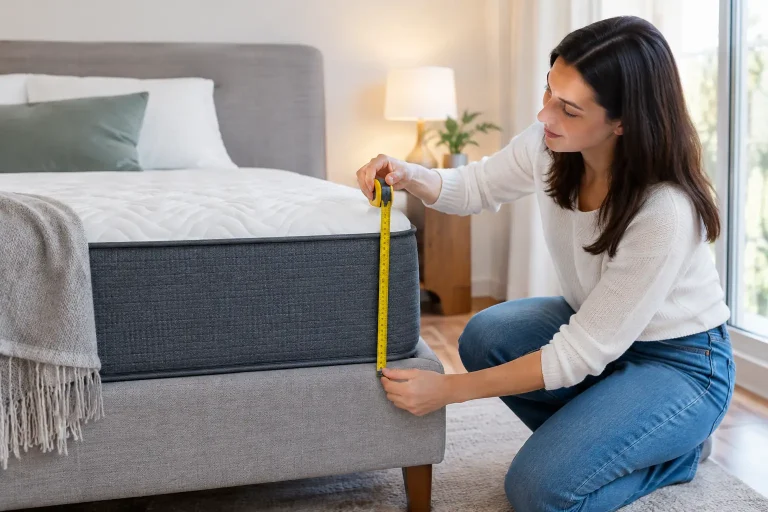
Waking up with a tight lower back is not just a bad night’s sleep problem. It is often a mattress support problem. This guide to orthopedic mattress support is built for people who want clear answers – not vague comfort claims – about what actually helps the spine stay aligned, the joints stay cushioned, and the body stay asleep.
Orthopedic support is not a label that magically makes a mattress better. It describes how well a mattress helps maintain healthy posture in sleep while reducing pressure buildup around the shoulders, hips, and lower back. A mattress can feel soft at the surface and still be supportive underneath. It can also feel firm and still do a poor job if it creates pressure points or lets the heavier parts of the body sink too far.
What orthopedic mattress support really means
The goal of orthopedic mattress support is simple: keep the spine in a more neutral position while distributing body weight evenly. That matters whether you sleep on your back, side, or stomach, because unsupported sleep positions tend to strain muscles and joints for hours at a time.
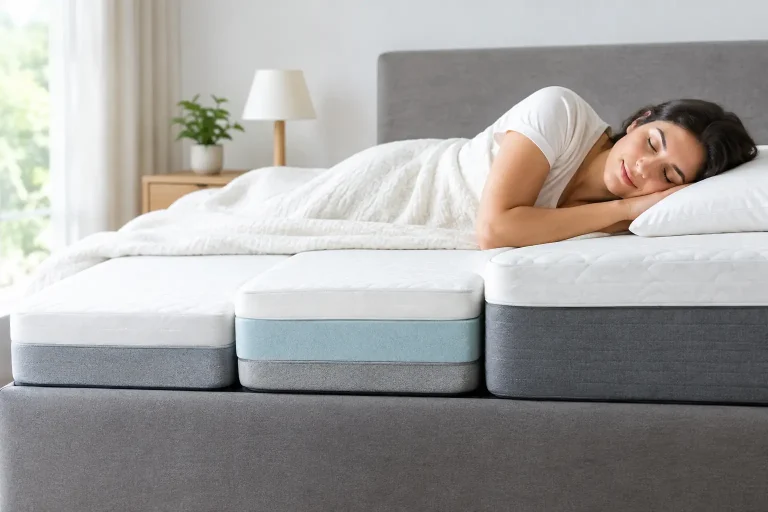
A supportive mattress does two jobs at once. First, it holds up the heavier parts of the body, especially the hips and torso, so the spine does not bow or twist. Second, it cushions the lighter, sharper pressure zones like the shoulders and knees so blood flow is not restricted and you are not forced to toss and turn.
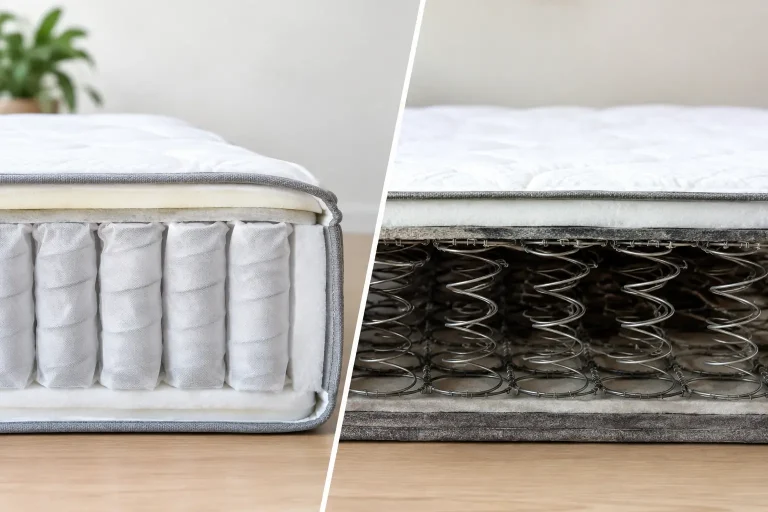
That balance is where many mattresses fail. Traditional spring beds can feel bouncy but uneven, with too much pushback in one area and not enough support in another. Very soft all-foam beds may feel comfortable for a few minutes but allow the midsection to dip too deeply overnight. Orthopedic support sits in the middle of those extremes. It is engineered support, not hard-for-the-sake-of-hard.
Guide to orthopedic mattress support by sleep position
The right support level depends on how you sleep and where your body carries weight. That is why the phrase best mattress for back pain can be misleading. The better question is best support for your build and sleep style.
Back sleepers usually need a mattress that supports the lower spine without leaving a gap under the lumbar area. Medium-firm tends to work well here because it keeps the hips from sinking while still allowing some contouring through the waist and shoulders.
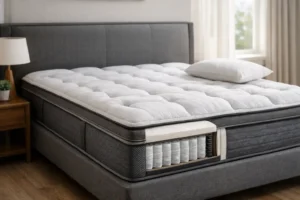
Side sleepers usually need a little more pressure relief. If the surface is too firm, the shoulder and hip can take too much direct force, which often leads to numbness, soreness, and frequent turning. A hybrid build with responsive comfort layers over pocketed coils often works well because it cushions those pressure points without sacrificing support underneath.
Stomach sleepers are the most sensitive to sagging in the middle of the bed. If the hips dip too low, the lower back arches and strain builds quickly. They generally do better on a firmer, flatter sleep surface, though very rigid mattresses can still be uncomfortable around the chest and knees.
Combination sleepers need responsiveness. If you change positions through the night, the mattress should adapt without making you feel stuck. This is one reason hybrid orthopedic designs are popular. They pair contouring materials with a structured support core, so the bed feels stable but still easy to move on.
The materials that make support better or worse
What is inside the mattress matters as much as the firmness rating on the label. Two mattresses can both be called medium-firm and perform very differently once you lie on them.
Pocketed coils are one of the most useful support components because they respond more precisely than old connected spring systems. Individually wrapped coils compress where your body needs it and stay lifted where it does not. That helps with spinal alignment and reduces partner disturbance at the same time. For couples, this matters more than many people realize. If one side of the bed keeps reacting to the other person’s movement, sleep quality drops even if the mattress feels comfortable at first.
Latex is often a strong orthopedic comfort layer because it relieves pressure without collapsing under weight. It has a more buoyant feel than memory foam, so it supports the body on the surface rather than letting it sink too deeply. That can be especially helpful for sleepers with stiffness who want cushioning but do not want to feel trapped.
Cooling gel foams can also play an important role, not just for temperature but for sleep continuity. Overheating increases wake-ups and restlessness, which can make pain feel worse the next morning. A mattress that supports the body well but sleeps hot is still a problem. Good orthopedic performance includes staying comfortable long enough to benefit from the support.
Firmness is important, but it is not the whole story
People shopping for orthopedic support often assume firmer is always better. Sometimes it is, but not always. A mattress that is too firm can push the shoulders and hips out of alignment, especially for side sleepers and lighter-weight adults. A mattress that is too soft can allow the pelvis to sink and pull the spine out of position, especially for back and stomach sleepers.
Body weight changes the equation. Heavier sleepers usually need stronger support systems and slightly firmer comfort tuning because they compress the materials more deeply. Lighter sleepers often need more surface contouring to get enough pressure relief. That is why mattress support should always be judged in context.
If you are choosing between two firmness levels, think less about what feels impressive in a showroom and more about what will hold your body in place for seven to eight hours. True support is not just first-touch comfort. It is overnight alignment.
Signs your current mattress is not giving orthopedic support
The most obvious sign is recurring pain that improves when you sleep elsewhere. If your lower back, shoulders, neck, or hips feel better in a hotel bed or even on a different mattress in your home, support may be the issue.
There are subtler signs too. You might notice that you roll toward the center of the bed, wake up when your partner moves, or sleep hot and restless despite feeling tired. You may also see visible sagging or body impressions that do not bounce back. Once support layers start breaking down, comfort usually follows.
Age matters here. Even a mattress that once felt excellent can lose its orthopedic performance over time. Materials soften, coils fatigue, and the body starts compensating during sleep in ways that lead to morning stiffness.
What to look for when buying an orthopedic-supportive mattress
Start with construction, not slogans. Look for a support core that can hold the spine steady, such as a quality pocket spring system, then comfort materials that reduce pressure without swallowing the body. A balanced hybrid mattress often performs well because it combines contouring, lift, airflow, and easier movement.
Next, consider motion isolation if you share the bed. Broken sleep from partner movement can amplify pain and fatigue even if the support itself is decent. Individually pocketed coils and stable comfort layers help reduce that transfer.
Then look at temperature regulation. Heat buildup causes more tossing, more wake-ups, and more time spent in awkward positions. Breathable layers, ventilated latex, cooling gel foams, and airflow through the coil system can all contribute to a cooler sleep surface.
Finally, pay attention to durability and trial protection. Orthopedic support is only valuable if it lasts. High-quality materials, trusted safety certifications, a meaningful warranty, and a return window all reduce the risk of choosing the wrong fit. That is one reason many shoppers move toward engineered hybrid options from brands like Azure Mattress, where support, cooling, and motion control are built as a full sleep system rather than marketed as isolated features.
The trade-off most shoppers miss
The best orthopedic mattress is not the hardest mattress or the most expensive one. It is the one that supports your spine, eases pressure, and keeps you sleeping without overheating or waking up every time your partner turns over.
That means trade-offs are real. More contouring can feel great for pressure relief but may reduce ease of movement. A firmer feel can improve alignment for some sleepers but create shoulder pain for others. Extra cushioning can improve comfort, but only if the support underneath is strong enough to keep the body level.
The smart approach is to judge a mattress by performance outcomes: less morning pain, fewer wake-ups, better temperature control, and a more stable sleep surface. Those are the signs that support is doing its job.
If your mattress has been asking your back, joints, and sleep quality to compromise night after night, it may be time to expect more from the bed beneath you.